

The 2026 CR-V Cabin Decibel Crisis
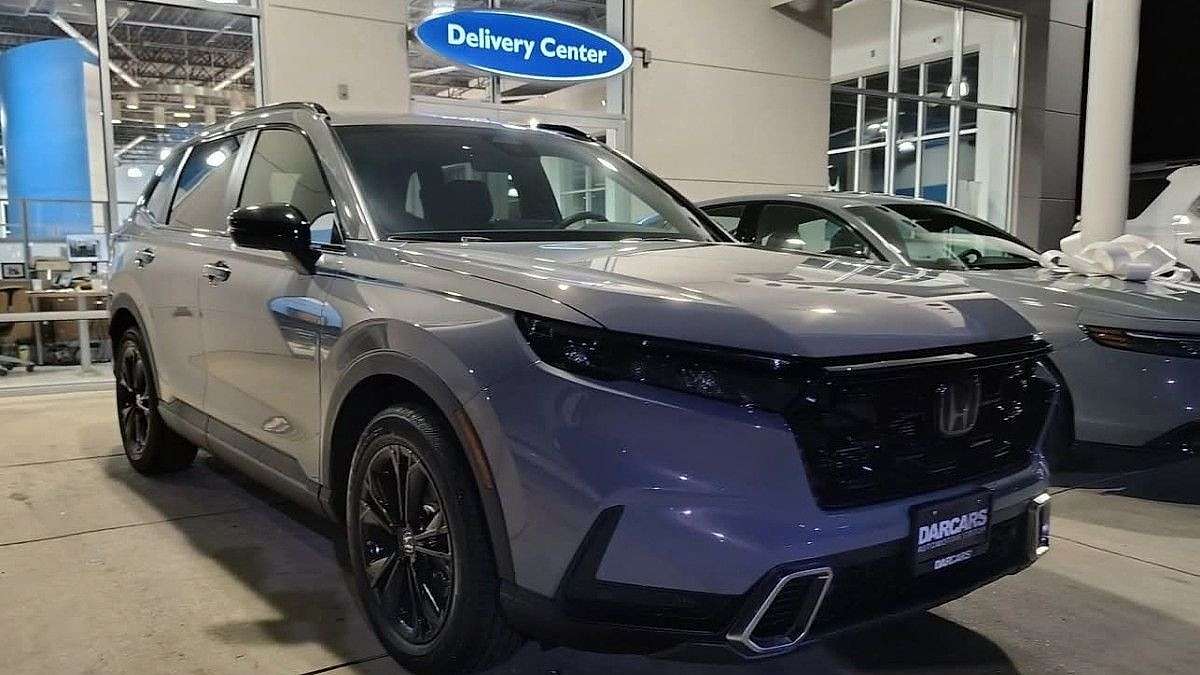
Recent field data from the Mid-Atlantic region suggests a growing disconnect between Honda’s 2026 CR-V EX-L comfort marketing and real-world NVH (Noise, Vibration, and Harshness) performance. While the 2026 redesign offers superior ergonomic volume and updated safety tech, long-term Honda owners transitioning from previous generations are reporting a "deal-breaking" increase in road noise at highway speeds. This report synthesizes owner testimonials from Maryland with technical insights regarding Honda’s current acoustic dampening strategy, providing a comprehensive "stay or go" guide for current CR-V owners considering an upgrade.
The $36,000 Silence Gap: Why a Decibel Spike Just Killed a Honda Sale
When you have spent as many years in the automotive trenches as I have, you learn that a vehicle can look perfect on paper and feel like a dream in the showroom, yet fail the most basic test of all: the highway commute. I have seen countless buyers get swept up in the smell of new leather and the glow of a fresh infotainment screen, only to realize three days later that their new $36,000 investment sounds like a wind tunnel. This brings me to a critical situation unfolding in Annapolis, Maryland, where a seasoned Honda loyalist just walked away from a 2026 Honda CR-V EX-L. The reason was not the price, the handling, or the fuel economy; it was a perceived regression in cabin quietness that was so jarring it rendered the deal dead on arrival.
Steve Agriesti, a member of the Honda CRV Community Facebook page, shared a visceral account of his experience that every current owner needs to hear. Steve says, “I tested a 2026 Honda CR-V EX-L. Beautiful car, super comfortable, and roomy compared to my 2015 CR-V EX-L. But I HATED IT after the test drive due to terrible road noise! I was prepared to drive this home tonight, but no deal.”

Steve’s experience strikes a nerve with me because it highlights a specific mechanical trade-off manufacturers are making in the 2026 model year to shave weight for better fleet fuel averages. Honda has clearly prioritized structural rigidity and interior volume, but Steve’s "aborted purchase" serves as a warning that the "comfort" label is subjective if your ears are ringing after a ten-minute drive.
Acoustic Engineering vs. Real World Pavement
We have to look at why a 2015 model might actually feel quieter to a long-term owner than a brand-new 2026 variant. In my three decades of reporting, I have observed that as vehicles move toward larger wheel diameters and lower-profile tires, the "drumming" effect from the wheel wells becomes significantly more pronounced. Expert analysis from Consumer Reports suggests that while Honda has made strides, road noise remains a persistent Achilles' heel for the brand, noting that road noise is a common complaint in several Honda models, often overshadowing an otherwise polished driving experience, a point further detailed in their comprehensive Honda reliability and road test archives. This outside data substantiates Steve’s claim that the EX-L trim, despite its premium positioning, may lack the specialized acoustic glass or extra insulation found in more expensive luxury rivals.
Further technical validation comes from the experts at Car and Driver, who have historically tracked the CR-V’s cabin acoustics across various generations. Their technical reviews often point out that the CR-V’s engine and road noise can be intrusive under heavy acceleration or on coarse pavement, an observation that aligns perfectly with the feedback coming out of Maryland this week. You can explore their specific findings on cabin decibel levels in their latest compact SUV comparison reports. When two of the industry's most respected data providers echo the concerns of a single owner in Annapolis, we are no longer looking at an isolated incident; we are looking at a manufacturing characteristic that you must test for yourself.

The Hidden Weight of Sound Deadening
I want to get "messy" for a moment and talk about what is happening behind the door panels. To meet the increasingly tight efficiency standards of 2026, engineers are under immense pressure to reduce vehicle mass. Heavy asphalt-based sound-deadening mats are often the first things to be trimmed back or replaced with lighter, less effective sprays. We are seeing a trend where the "perceived quality" is high because the seats feel great and the dash is soft-touch, but the "mechanical quality" of the insulation is being compromised. If you are driving a 2015 CR-V like Steve was, you are accustomed to a different era of Honda's build philosophy. Newer isn't always quieter, especially when a manufacturer is trying to offset the weight of a complex new hybrid powertrain or added safety sensors.
Field Observations from Owner Communities
The "road noise" ghost is haunting more than just Facebook groups. I’ve been tracking discussions on Reddit where technical-minded owners are trying to solve this issue with aftermarket solutions. In a recent technical discussion on r/crv, one owner shared a frustrating realization about the 2026 acoustics, stating, "The floor pan insulation on the new EX-L feels significantly thinner than my previous generation; I can hear every pebble hitting the wheel well," which you can find in the full community thread here.
Another owner highlighted the specific tire choice as the culprit, mentioning, "The factory-equipped tires on the 2026 models seem to have a much harder compound that resonates loudly on concrete highways," as found in this Reddit discussion.
My professional analysis of these Reddit quotes reveals a troubling pattern. From my 30 years of experience, I can tell you that when owners start complaining about hearing "every pebble," it indicates a failure to isolate the subframe from the main cabin. Honda likely used stiffer bushings to improve the "sporty" handling feel that journalists often praise, but for a daily driver like Steve in Annapolis, that stiffness translates directly into a roar that kills the deal. The mention of tire compound is also a classic manufacturer move to reduce rolling resistance for better MPG, often at the direct expense of a quiet ride.
Why the EX-L Trim Level Matters
You might wonder why a buyer would expect more from the EX-L. Traditionally, the "L" in EX-L stood for Luxury, implying a step up in refinement. However, in the 2026 lineup, the EX-L is positioned in the mid-to-high tier, focusing on leather and tech rather than acoustic packages. If you want the real sound-deadening upgrades, Honda often pushes buyers toward the Touring or Sport Touring Hybrid trims, which sometimes feature active noise cancellation or acoustic windshields. Steve was looking for that "Luxury" feel in the EX-L but found a "Standard" acoustic experience instead. This is a classic "trim trap" that I see many buyers fall into, and it is why I always recommend a high-speed highway test drive before signing any paperwork.
Is there a Fix for the 2026 CR-V Road Noise?
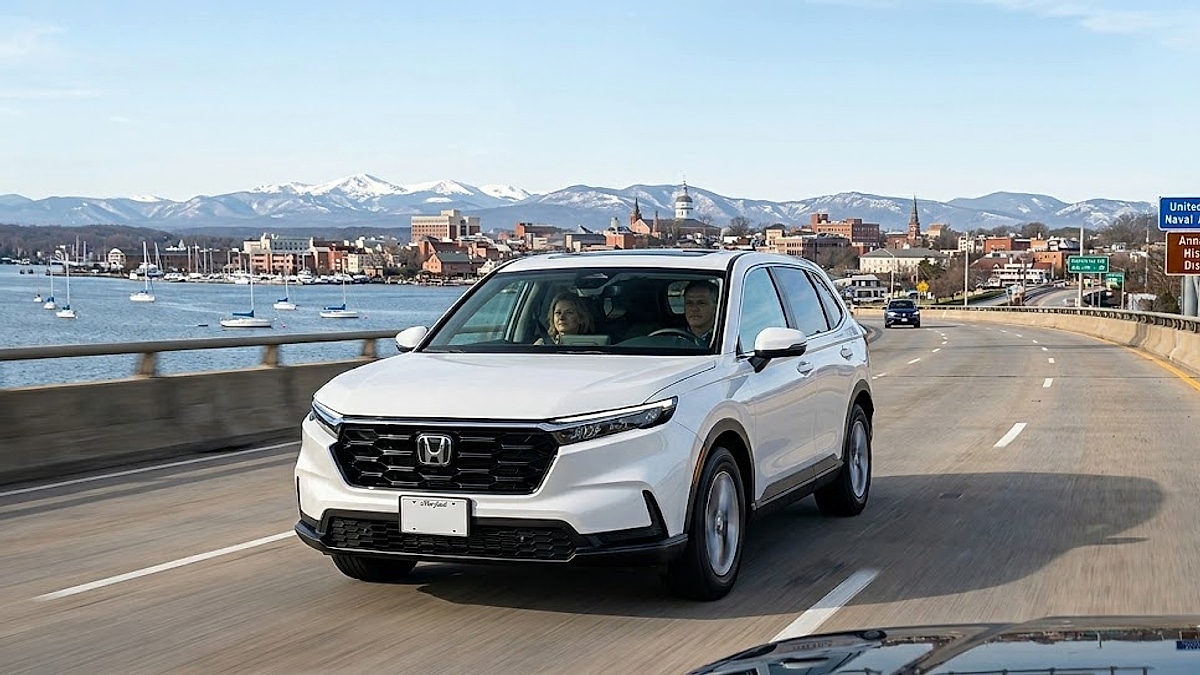
The very next thing you are likely asking is: "If I already bought one, or if I love everything else about the car, can I fix the noise?" The answer is a qualified yes, but it involves an additional investment. Based on my investigations, the most effective solution is a two-step approach. First, replacing the factory tires with a dedicated "Quiet-Track" or "Comfort-Contact" tire from a premium brand can reduce cabin noise by 2 to 3 decibels. Second, many owners are finding success by adding aftermarket sound-deadening sheets to the spare tire well and to the area under the rear cargo mat. It is a shame that a buyer has to spend another $1,200 to $1,500 to make a new car as quiet as their old one, but for many, the reliability of the Honda powertrain makes that "fix" worth the effort.
Guidance for Prospective Buyers
I want to give you a specific recommendation for your next dealership visit. Do not let the salesperson dictate the test drive route. Most dealership loops are on smooth, recently paved side streets near the lot. You need to get that 2026 CR-V onto the roughest stretch of highway in your area. Turn the radio off. Stop talking. Listen to the resonance coming from the rear wheels. If you find it intrusive, ask the dealer to let you test-drive a Sport Touring trim with acoustic glass to see whether the difference justifies the price jump. Steve Agriesti did exactly what I would have done: he trusted his ears over the window sticker. In the 2026 market, your "information gain" comes from that seat-of-the-pants (and ears-of-the-head) experience.
My Verdict on the 2026 CR-V Noise Issue
The 2026 Honda CR-V remains a top-tier SUV for its safety and space, but Steve's experience proves that Honda has a "refinement gap" that is turning away loyalists. My three decades in this industry tell me that when a "prepared to buy" customer walks out over a single issue, the manufacturer has missed the mark on a fundamental level. We are seeing a shift in which owners are no longer willing to tolerate "good enough" as price tags climb toward the $40,000 mark. If you are coming from a 2015 to 2018 model, you may find that the newer, lighter materials used in the 2026 model year feel like a step backward in cabin isolation.
Navigating the 2026 Honda Refinement Challenge
Ultimately, the choice to buy the 2026 CR-V depends on your personal tolerance for road feedback and where you do most of your driving. For city dwellers, noise might never be an issue, but for those of us who spend hours on the interstate, it can contribute to long-term driver fatigue. I applaud Steve for being a savvy consumer and sharing his story because it forces us to look past the marketing and into the reality of modern automotive engineering.
It’s Your Turn. Have you test-driven the new 2026 CR-V, and did the road noise surprise you, or do you think the comfort and tech upgrades outweigh the sound issues? Tell us what you think and share your own "deal-breaker" story by leaving a comment in the red “Add new comment” link below.
About The Author
Denis Flierl is a 14-year Senior Reporter at Torque News and a member of the Rocky Mountain Automotive Press (RMAP) with 30+ years of industry experience. Based in Parker, Colorado, Denis leverages the Rockies' high-altitude terrain as a rigorous testing ground to provide "boots-on-the-ground" analysis for readers across the Rocky Mountain region, California EV corridors, the Northeast, Texas truck markets, and Midwest agricultural zones. A former professional test driver and consultant for Ford, GM, Ram, Toyota, and Tesla, he delivers data-backed insights on reliability and market shifts. Denis cuts through the noise to provide national audiences with the real-world reporting today’s landscape demands. Connect with Denis: Find him on LinkedIn, X @DenisFlierl, @WorldsCoolestRides, Facebook, and Instagram.
Photo credit: Denis Flierl via Steve Agriesti
Set Torque News as Preferred Source on Google
Follow us today...




Comments
I have a 2025 Honda CRV…
Permalink
I have a 2025 Honda CRV Sport Hybrid, and it is much noisier than my 2016 CRV on the highway. You notice it more in the passenger seat.
I have a 2025 Honda CRV and…
Permalink
In reply to I have a 2025 Honda CRV… by Elijah McCray (not verified)
I have a 2025 Honda CRV and it is very noisy. The insulation is very poor and you can hear the road and the wind when driving.
I totally agree with you and…
Permalink
I totally agree with you and Steve about the road noise. I own a 2018 CRV EX with the cloth seats. And in 2024 I was thinking about trading in mine for a new one. The road noise was there then, and the interior felt cheaper than mine. No more simulated wood or padded door inserts, just plain old plastic. I am waiting to see what the car looks like and sounds in the coming years before I make the 20K leap from 2018 unto now.
2007 crv ex-l to 2024 crv ex…
Permalink
2007 crv ex-l to 2024 crv ex-l there were many changes that felt downgraded noise levels to the interior, steering and shocks, but still love the crv for every day driver.
Anyone that critical has…
Permalink
Anyone that critical has severe emotional problems that you seek professional help seriously. I've driven dozens of those cars because I work on them for a living. They sound normal compared to other cars. I did run to a customer who was whacked out because she bought her an Accord so it was so noisy. Remind you we are on the parking lot going 5 mph and to her was too noisy and rough.
I test drove a 2026 CRV 1.5T…
Permalink
I test drove a 2026 CRV 1.5T AWD EX-L & found it to be quiet. Top speed was 50-55. The dealer had to trade with another dealer because we wanted the urban gray. The car had less than 50 mi upon my possession. The car was definitely noisier than the one I test drove. Sometimes it is noisier than the 2018 Escape that I traded in. Within a week I put about 700 mi due to a trip. Drove on many different road surfaces and speeds up to 80 mph -- cabin/wind, road and some engine noise. Had service appointment at about 7K miles. Told them about the noise problem. They didn't think the noise was abnormal. I wanted to drive a comparable car, but they didn't have one available. Except for the noise, it is good. I now have between 13 and 14K miles and the engine noise has increased. I researched SUVs for at least 6 months & chose the CRV because of its ratings as a quiet ride. I'm disappointed with my purchase and frequently think of getting a different vehicle.
I have a 2025 crv hybrid…
Permalink
I have a 2025 crv hybrid that is annoyingly noisy on highway speed . Around town it’s quiet and not bothersome . Brought it to the dealer for it once , said there wasn’t anything wrong .
Honda is selling this product and know it has a problem on the highway but aren’t telling customers about it . This is bad faith and bad taste . Honda should be held responsible for this .
I bought this car because I thought I was paying for good quality . The quality is not what they advertise or what I expected .
No more Hondas !!
Have 26 CRV hybrid sport L…
Permalink
Have 26 CRV hybrid sport L hybrid......Noisy as hell....Changing out tires to Continental or Perelli from the Hancook gt which came with car and also were on my 2020 hybrid which lasted 15k miles...Hope it helps..