


A common misconception is that adding a hybrid powertrain means more complexity, more parts, and more potential failure points. The 2026 Subaru Crosstrek Hybrid is an easy example of why this myth is so wrong. By integrating a modern hybrid system with a 2.5-liter Atkinson cycle BOXER engine and two electric motors, Subaru has actually eliminated many traditional wear items that have plagued conventional engines for decades. The result is a powertrain that, in key mechanical respects, is simpler and more reliable than the gas-only engine it builds on. Here are five ways the new Crosstrek Hybrid reduces complexity and will likely offer better reliability than Subaru’s past designs.
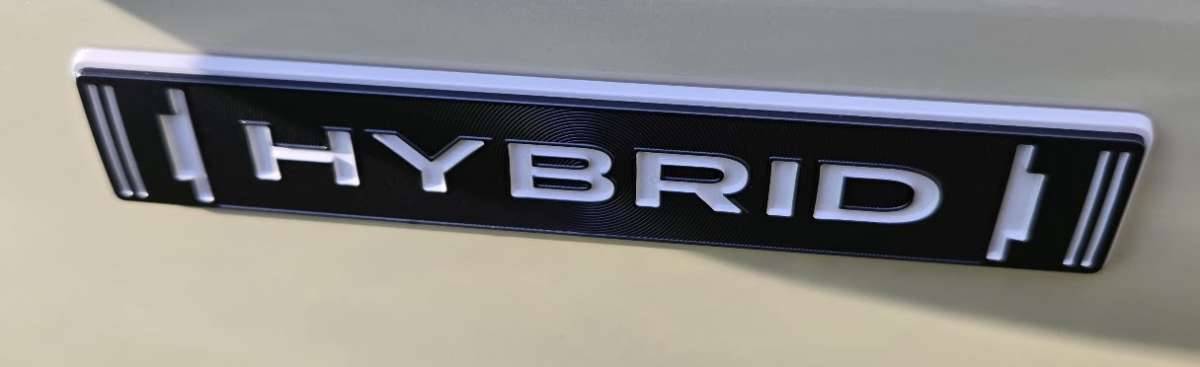
For the record, I’m a five-time Subaru owner who has had to replace belts, alternators, and starters in my Subarus. The most recent was an alternator in a 2016 Forester 2.5i Premium that quit at just under 60,000 Miles. My Subaru Legacy 2.5i also needed a starter and alternator, and my very first Subaru, an Outback, required an alternator. This story is not based solely on engineering theory; it is written by an owner who has lived the repairs we discuss.
1. Goodbye Conventional Starter Motor
Conventional powertrains rely on a dedicated starter motor to crank the engine to life. It's a small electric motor with a solenoid and a gear that engages the flywheel each time you start it. Starters are a well-known wear item, and a failed starter is one of the most common reasons lifelong Subaru drivers like me have found themselves calling AAA.
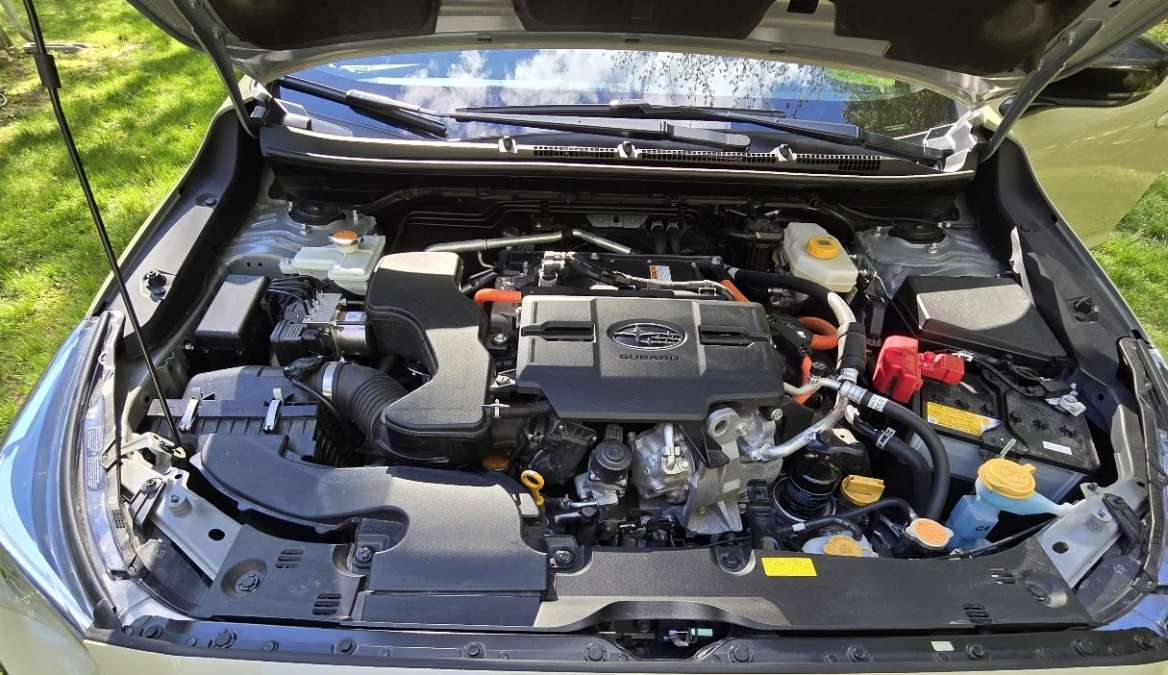
The hybrid now offered in the Crosstrek has no conventional starter. Instead, the motor-generator unit spins, bringing the engine up to idle silently and instantly. There's no grinding pinion engagement, no clunk, no high-amperage surge. Because the motor-generator handles starting during normal hybrid operation, the engine experiences far less mechanical stress than it would if repeatedly jolted to life by a traditional starter. This method of starting hybrids has been proven by three decades of use in many vehicles. Best of all, it is not as annoying as auto-stop-start.
2. No More Alternator
Conventional vehicles depend on an alternator to keep the 12V battery charged and to power all the electrical loads while the engine runs. Alternators are belt-driven generators with bearings, wiring, coils, diodes, and voltage regulators, and any of those parts can fail. Replacement costs typically run between $700 and $1200 at dealers once labor is factored in, and a dying alternator can damage your battery and take it down with it.
The Crosstrek Hybrid eliminates the spinning alternator entirely. The motor-generator produces electricity by capturing energy from the engine and from regenerative braking. That power is then routed through a DC-to-DC converter with no moving parts that keeps the 12V system topped up. Eliminating alternator complexity means fewer traditional failure points under the hood.
3. Eliminating the Serpentine Belt and Accessory Drives
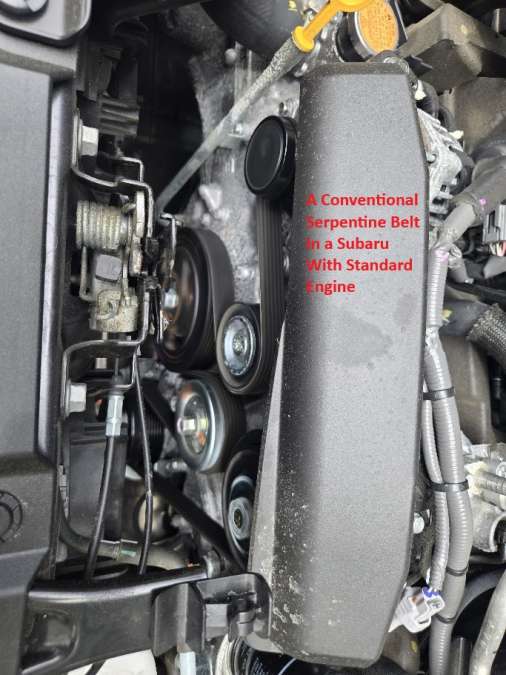
In a conventional engine bay, the serpentine belt is a busy piece of rubber. It typically drives the alternator, the AC compressor, and often more. Belts crack, glaze, stretch, and snap. Tensioners and idler pulleys wear out. Replacing a serpentine belt at 60,000 to 100,000 miles is a routine maintenance expense most owners eventually face. Just look at all that complex, rotating, spinning complexity in our image above of a 2024 Subaru with a conventional engine.
The Crosstrek Hybrid sidesteps most of that. With the alternator gone, electric power steering already standard, and the air conditioning compressor running on electricity (which also means the A/C keeps blowing cold even when the gas engine shuts off at stoplights), the accessory drive system loses several of its busiest customers. Fewer spinning accessories mean fewer belts, pulleys, and tensioners to inspect, replace, or worry about squealing on a cold morning.
4. Regenerative Braking Means Longer Brake Life
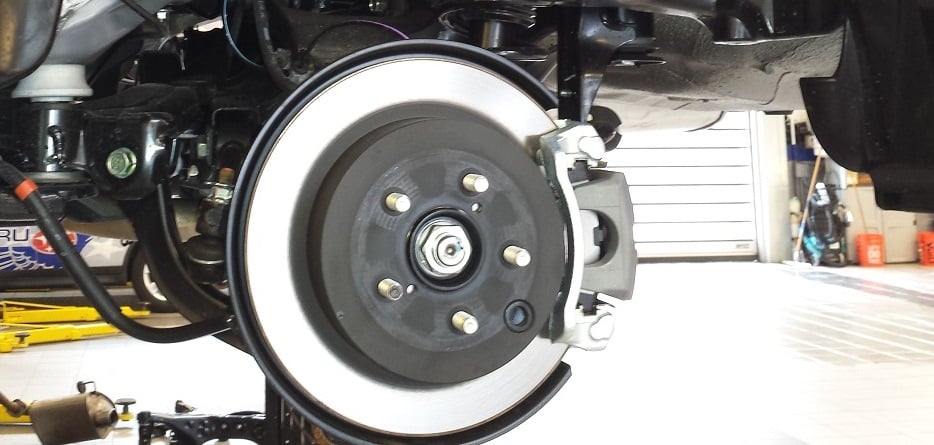
One of the most underrated aspects of hybrid powertrains is prolonged brake life. EV owners brag about going a decade or more without needing brake pads and rotors. Prius owners for years have had brakes last well over 100,000 miles. Because you are generating energy every time the car slows down using the electric motors, the friction brakes are less often called upon to do their job. Subaru dealer brake jobs are now priced above $700 per axle for most mainstream vehicles. Regen braking can save an owner thousands over the vehicle’s lifetime. One caution. Do not skip brake fluid changes, and always have your brakes cleaned, lubricated, and inspected at regular service intervals.
5. Bye Bye Old CVTs
The great news for Subaru owners who don’t like CVTs is that Subaru has switched to a planetary gearset (yes, GEARSET) instead of a typical chain-and-drum CVT. Subaru opted to call this transmission-motor/generator setup a “Lineartronic CVT,” and that is unfortunate wording. They would have been wiser to just say “motor-equipped planetary gearset,” in my opinion. The term CVT wins no friends. Planetary gearsets have fewer wear points than chain-and-pulley CVTs. Toyota's eCVT has proven this design for two decades, and Subaru is finally getting the benefit.
A sixth bonus of the Subaru hybrid powertrain is the added warranty. I’ve used my Subarus’ warranties many times, and the dealers always had my back when I needed repairs. Hybrid-equipped Subarus have a longer warranty. There is an 8-year/100,000-mile warranty that covers the high-voltage battery, battery control unit, power control unit, and hybrid control unit. That added warranty is peace of mind for early adopters who opt for a hybrid trim.
As a longtime fan of the brand and the owner of more Subarus than most people will ever drive, I'm thrilled the company has finally embraced hybrid technology in a serious way. My recent test of the 2026 Crosstrek Sport Hybrid impressed me on every front, from the smoothness of the powertrain to the real-world fuel economy. The fact that this system also strips away some of the most failure-prone parts in a conventional engine bay is what makes it special. Better fuel economy is the headline. A simpler, more durable Subaru is the real story.
John Goreham is a 14-year veteran of Torque News. An accomplished writer and a long-time expert in vehicle testing, Goreham also serves as the Vice President of the New England Motor Press Association and has a growing social media presence. He’s also a 10-year staff writer and community moderator for Car Talk. Goreham holds a B.S. in Mechanical Engineering and an undergraduate Certificate in Marketing. In addition to vehicle and tire content, he offers deep dives into market trends and opinion pieces. You can follow John Goreham on X and TikTok, and connect with him on LinkedIn.
Set Torque News as Preferred Source on Google
Follow us today...






Comments
Well, John, I am also a…
Permalink
Well, John, I am also a Mechanical Engineer (both BSME and MSME) with a long record of Subaru ownership, 20 so far, (multiple Imprezas, WRXs, STIs, Legacys and, most recently, my second Crosstrek - the ONLY automatic one, for lack of manual availability) and, on all of them, the only thing I had ever had to replace was tires! This vehicles are just terrific. Per your comments, I HAVE to check out that hybrid. Quite a refreshing article you wrote.
Very nice of you to offer…
Permalink
In reply to Well, John, I am also a… by Gilbert (not verified)
Very nice of you to offer this comment, Gilbert. I'm very jealous of your good luck. My second Subie was the Legacy GT. At 11K it needed an engine! Short block, technically. However, it had a happy ending. For my trouble, Subaru gifted me a 100K extended warranty at no cost. Two generations of us drive that car hard and the list of warranty-replaced parts was a mile long. We loved it, but boy, was it needy. Try the hybrid. I bet you will agree that it is a great powertrain in the Crosstrek. And of course, it would be super in the Impreza as well.
Dumping the CVT is far and…
Permalink
Dumping the CVT is far and away the most significant item on the list. Those things are horrible.
Thanks, Buzz. No doubt! My…
Permalink
In reply to Dumping the CVT is far and… by Buzz Wired (not verified)
Thanks, Buzz. No doubt! My own experience with the conventional CVT in my '16 Forester over seven years was not positive. I offered the local dealer to pay out of pocket to change the CVT fluid or whatever was necessary to make it tolerable and they said "They are all like this and nothing helps." So I drove to a Ford dealer and went home in a Bronco Sport Badlands with an 8-speed geared auto that is fantastic to drive. Best,