
A Polestar shopper in America now has to ask the question every orphan-brand buyer knows by heart.
Who is going to take care of this thing?
That is the practical question underneath the U.S. Polestar news. The legal and corporate language is more complicated, but the buyer’s version is simple. If someone leases or buys a Polestar 3 or Polestar 4 today, will the car be supported tomorrow?
Polestar says existing U.S. stock of the 3 and 4 can still be sold, and customers will continue to be supported, including access to the service network. Dealers are saying roughly the same thing on the phone.
- Some dealers are quietly steering uncertain buyers toward shorter lease terms or higher-mileage allowances, anticipating that customers may want flexibility if the brand’s U.S. situation shifts again.
- Insurance and financing partners may begin adjusting rates or approval terms for Polestar vehicles if long-term support concerns grow, which could subtly increase the real cost of ownership beyond the sticker price.
- Independent EV service networks and third-party parts suppliers could become more important for Polestar owners over time, especially in regions where official service points are limited or consolidated.
To confirm, I contacted several dealerships directly. One Polestar store said the 3 and 4 were still being leased, maintenance would continue, and software updates would be handled. Other stores said "the 3 and 4 were still being leased" and described coverage through the four-year warranty period, telling me "they would be covered during the lease period."
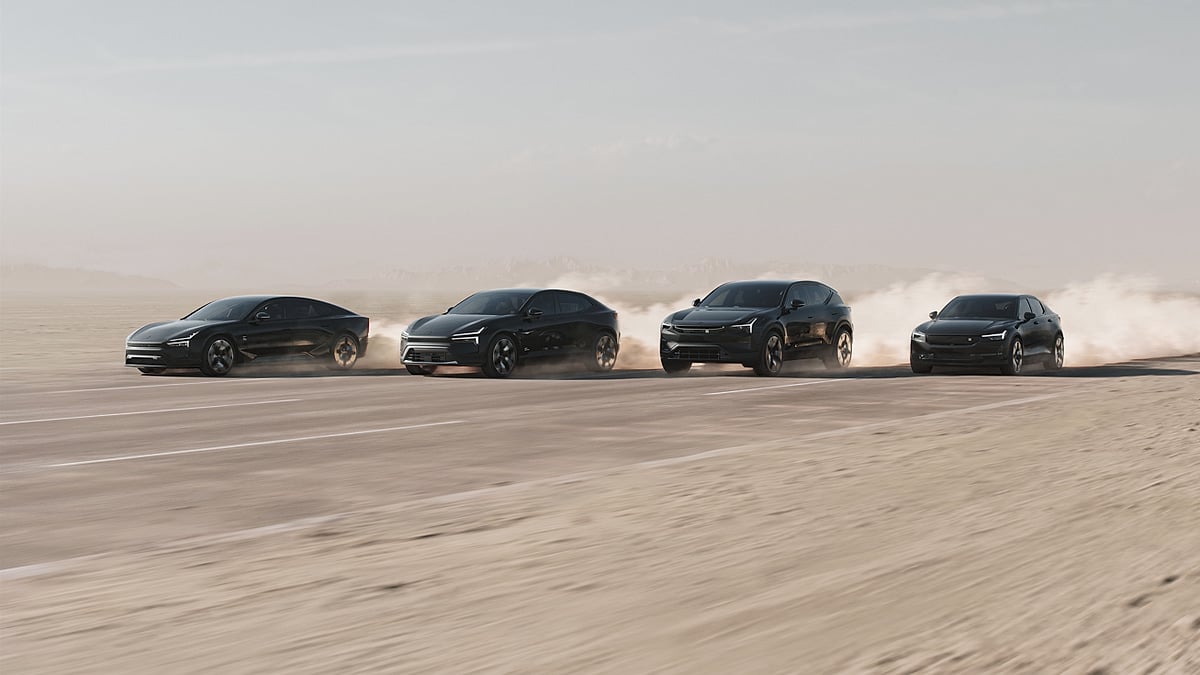
When I pushed on the uncomfortable part, whether service access, maintenance, software updates, or basic support could quietly become harder once the lease was signed, one store did not hesitate. "The concern, they said, gets thrown around online," they said, but "it does not match what they are seeing in-store". Polestar 3 and 4 leases are still being written, warranty coverage is still being presented as normal, and service is still being treated as part of the deal.
I did not take that answer at face value. It sounded almost too clean at first, like the kind of reassurance meant to keep a buyer moving. But after checking Polestar’s own statement and comparing it with what other stores said on the phone, the short-term lease-and-warranty reassurance holds up better than I expected.
The keywords are short-term. Polestar can make a convincing case to someone whose exposure ends inside the lease and warranty window. That is a different promise than asking a buyer to carry the car deep into its used-car life.
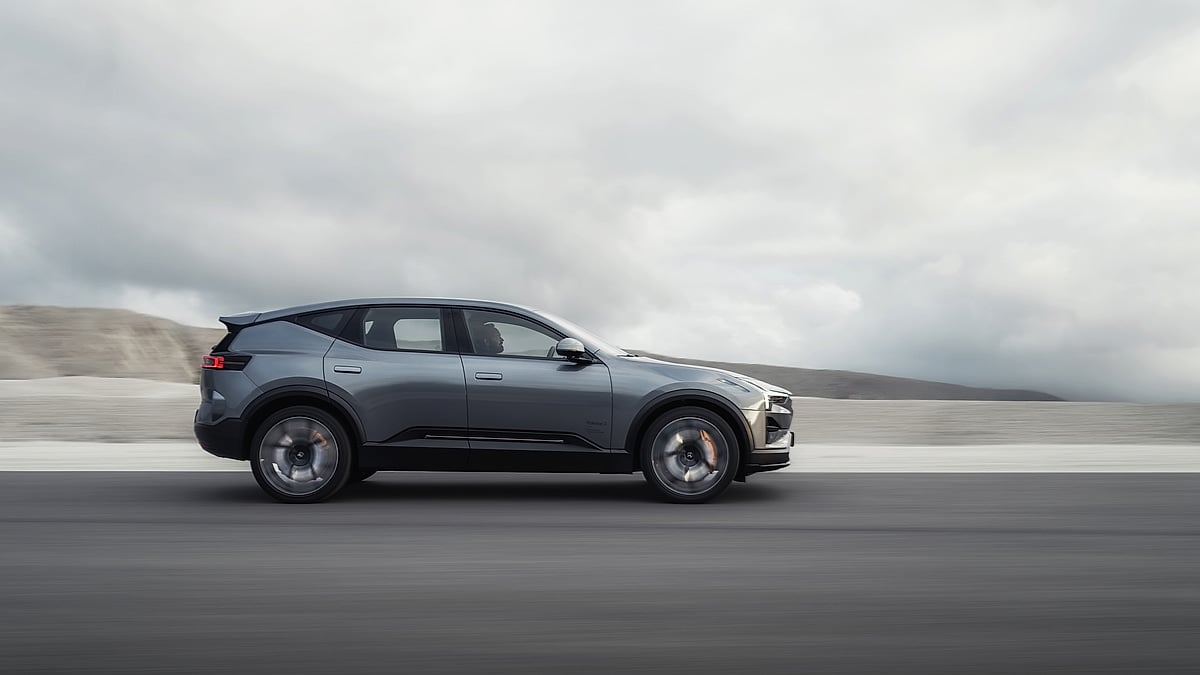
A lease and a purchase are two different bets. A lease turns uncertainty into a fenced yard. The driver knows the term, the payment, the warranty window, and the hand-back date. The question becomes whether Polestar can support the car during that period. Based on the official company statement and the dealer calls, that short-term answer is being presented as yes.
A purchase asks for more faith.
The buyer has to think about resale value, service access, parts availability, software support, connected services, warranty handling, and whether the brand’s U.S. footprint will feel smaller by the time the car is four or five years old. That does not make buying a Polestar foolish. It makes the price matter more.
The Regulatory Reality Behind Polestar’s U.S. Situation
The third party in this argument is the paperwork, according to the Commerce Department’s Connected Vehicle rules. Polestar’s U.S. Problem starts with model-year 2027 authorization.
Polestar is saying existing U.S. stock can still be sold and customers will still have access to service, which explains why dealers are still quoting leases. The shopper’s risk is that the warranty, service point, parts path, software support, and lease term all need to be strong enough in writing to carry the car through the next three or four years.
That is where Polestar’s problem becomes interesting. The cars did not suddenly get worse. A regulatory decision did not ruin the steering, the design, the cabin, the battery, or the appeal of driving something less common than a Tesla, BMW, Mercedes, Audi, or Genesis. The Polestar 3 and Polestar 4 still have the same strengths they had before the news.
The ownership math changed around them.
That is often how car values move. Not because the machine changes overnight, but because confidence changes faster than sheet metal.
Polestar dealers now have to sell as many cars as they do. They have to explain service access. They have to explain warranty coverage. They have to explain what happens during the lease. They have to explain what happens after it. They have to explain whether software and app support remain ordinary. They have to explain where the owner goes if a local point changes. They have to explain whether a shopper should lease, buy, or walk.
That is a hard job, but not an impossible one.
The lease customer may be the easiest to reassure. If the payment is strong enough, the term stays inside the warranty period, and the service path is clear, a Polestar lease can still make sense for someone who wants a premium EV without joining the Tesla herd. The buyer gets the design and performance without carrying the long-term resale question alone.
The cash buyer has to be colder.
They should ask for the warranty terms in writing. They should ask which service location will handle the car. They should ask how far out appointments are being booked. They should ask whether parts delays are expected. They should ask what connected services are included and for how long. They should ask whether over-the-air updates continue normally. They should ask what happens if they move to a market without a nearby Polestar point. They should ask whether the current incentive is tied to a specific VIN.
Most of all, they should ask what the discount is really paying them to accept.
What Past Orphan Brands Tell Polestar Shoppers About Risk
The orphan-brand record gives Polestar shoppers a better test than dealer reassurance alone. Suzuki’s U.S. exit showed how owners can come out reasonably protected when the company deliberately keeps warranty, parts, and service operations alive after new-car sales end...
Saab showed how quickly that promise can fray when bankruptcy reaches the warranty desk and new cars become “as is”; Fisker showed the EV-era version, where federal recall law can force free safety-recall remedies but still leave owners wrestling with parts, software, service access, and depreciation.
That is the real line for a Polestar 3 or 4 buyer: a lease can make sense if the warranty, service point, parts pipeline, and software support are strong in writing, but a phone reassurance is not the same thing as a funded support system.
The Bottom Line For Polestar Shoppers
The Polestar 3 and 4 still have an argument. The dealer calls show stores are still making that argument. The company’s statement backs the short-term support message. The remaining question belongs to the shopper.
Is the deal good enough to make the risk feel priced in?
For a lease, the answer may be yes.
For a purchase, the buyer should make Polestar prove it twice.
Drop your experience in the comments. The more answers shoppers share, the clearer the market actually becomes for everyone else trying to make the same decision.
About The Author
Noah Washington is an automotive journalist based in Atlanta, Georgia, covering sports cars, luxury vehicles, and performance culture. His reporting focuses on explaining the engineering, design philosophy, and real-world ownership experience behind modern vehicles.
Noah has been immersed in the automotive world since his early teens, attending industry events and following the enthusiast communities that shape how cars are built and driven today. His work blends industry insight with enthusiastic storytelling, helping readers understand not just what a car is, but why it matters.
Noah is also a member of the Southeast Automotive Media Association (SAMA), a professional organization for automotive journalists and industry media in the Southeast.
His coverage regularly explores sports cars, luxury vehicles, and performance-driven segments of the automotive industry, including the evolving culture surrounding Formula Drift and enthusiast builds.
Read more of Noah's work on his author profile page.
You can also follow Noah here:
Set Torque News as Preferred Source on Google
Follow us today...