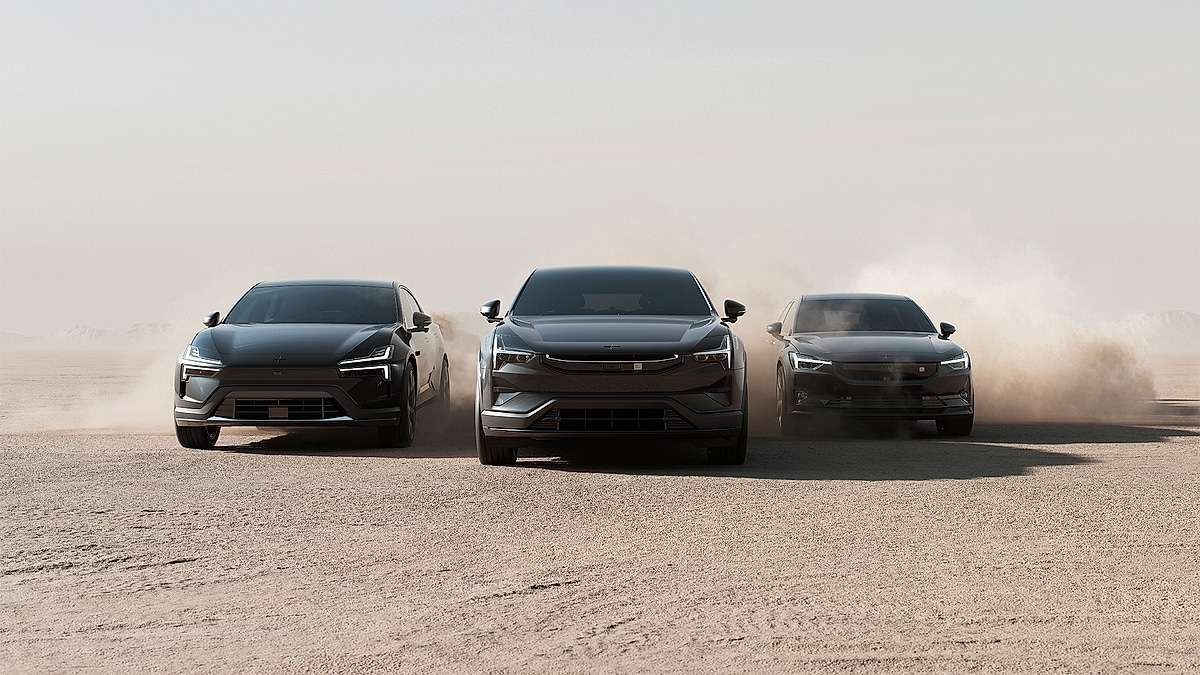

North Carolina's latest public EV registration file shows just 417 Polestar registrations statewide as of June 1, 2024, compared with 40,791 Teslas. In core Raleigh/Cary/Durham ZIP codes, I counted only 28 Polestars against 3,300 Tesla Model 3s. The used Polestar 2 discount reflects brand density and service access in a market where the car is practically invisible. North Carolina's official Polestar retail and service presence is in Charlotte, not Cary, which makes the Triangle ownership experience a geographic gamble.

In the Raleigh/Cary/Durham corridor, covering the ZIP codes where most Triangle EV owners actually live, Polestar density was 28 vehicles. Tesla Model 3 density in the same ZIPs was 3,300. Total Tesla presence, all models, was 8,211.
What The Numbers Say
Those numbers tell a different story than the one used-car shoppers usually hear. The narrative around Polestar depreciation centers on battery anxiety, build quality questions, or brand identity confusion. The registration data points somewhere else entirely. A buyer in Raleigh-Durham who wants a used Polestar 2 is choosing a vehicle their neighbors do not own, their mechanic has rarely seen, and their local market barely recognizes. That is a brand-density risk, not an engineering failure.
The hardware supports this reading. EV-Database lists the Polestar 2 Long Range Dual Motor at roughly 280 miles of real-world range, with DC fast charging peaking around 207 kW. Those are competitive figures against any Tesla Model 3 variant. Recharged reports that a three-year-old Polestar 2 typically retains about 60 to 65 percent of its original MSRP. iSeeCars puts the five-year retention at 41.9 percent. The comparable Tesla Model 3 retains 45.5 percent after five years, per the same source. The gap is 3.6 percentage points, not the 10 to 15 points some used listings imply. The discount is real, but it is smaller than the fear suggests.
The service geography makes the discount sharper in practice. Polestar's official North Carolina location is in Charlotte. The brand's service policy offers pickup and delivery within 100 miles of a service point, or 150 miles for model year 2023 and older vehicles still under warranty. Raleigh-Durham sits roughly 140 miles from Charlotte. That puts Triangle owners at the outer edge of coverage, or beyond it, depending on model year and warranty status. A buyer looking at a used Polestar 2 in Cary is not just buying a rare car. They are buying a rare car with a service relationship that requires planning.
I checked the local used inventory to see whether the registration gap translated into pricing power. Edmunds listings for used 2023 Polestar 2 models in the Raleigh area start around $25,790. Used 2023 Tesla Model 3 inventory in the same market averages closer to $24,365. The Polestar is not actually cheaper. It is less liquid. A seller who needs to move a Polestar quickly has fewer local buyers, fewer comparable sales, and less buyer confidence to work with. That forces sharper pricing on the margin, even when the headline numbers look similar.
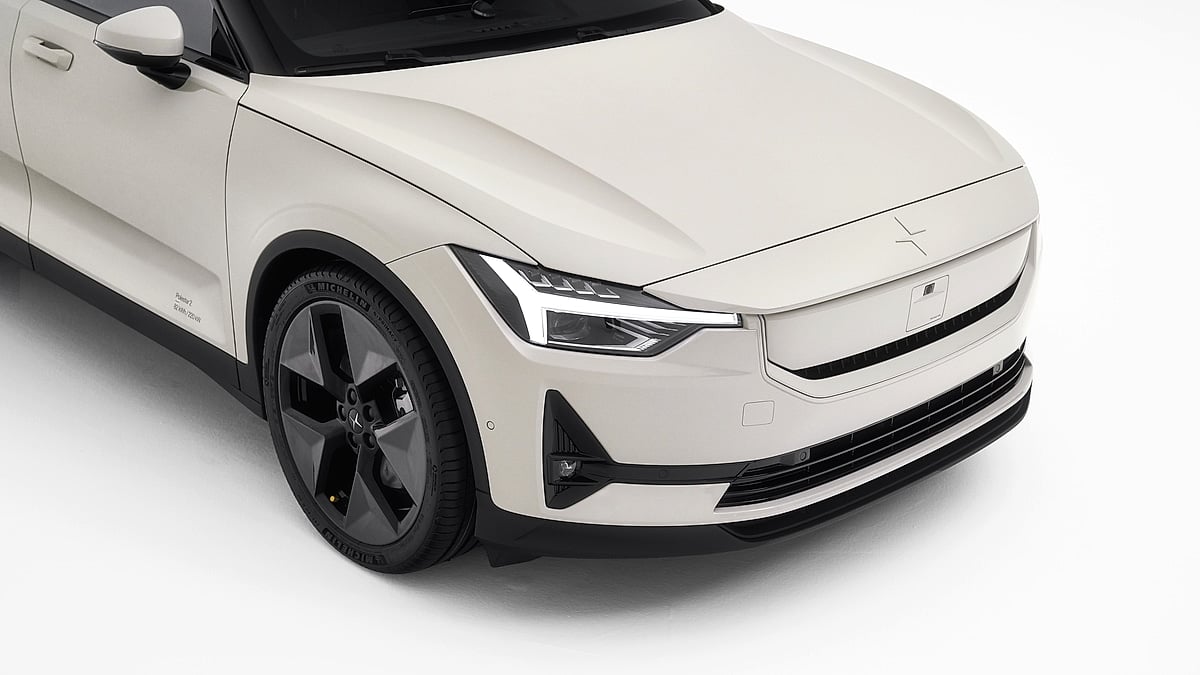
This is the Swedish rarity tax in action. In Stockholm or Gothenburg, Polestar density is high, service is local, and resale behaves differently. In North Carolina, the same vehicle faces a market that has barely registered its existence. The 28 Polestars in Raleigh-Durham are spread across dozens of ZIP codes. A prospective buyer might never see one in a parking lot, never ride in one at a neighbor's barbecue, never hear a coworker describe ownership. That absence creates a confidence discount that has nothing to do with the car's actual reliability or performance.
The Tesla Side of The Coin
The Tesla comparison is useful because it shows what density does for resale. With 8,211 Teslas in the same ZIP codes, a used Model 3 buyer has infinite local comps, abundant service options, and social proof everywhere. A Raleigh-Durham Tesla owner can drive to a service center in Cary, Raleigh, or Durham without crossing county lines. The charging infrastructure, the mobile service fleet, and the word-of-mouth network all reinforce buyer confidence. That confidence translates into pricing power.
Polestar lacks that infrastructure density in North Carolina. The brand has one retail and service location for the entire state. A Triangle buyer who needs warranty work faces either a drive to Charlotte or a pickup arrangement with a 100-to-150-mile radius. That friction is real, and it is rational for buyers to price it into their offers.
I downloaded the Atlas EV Hub quarterly ZIP-level extract from the North Carolina Department of Transportation, latest snapshot June 1, 2024. The file lists make, model, ZIP code, vehicle count, and snapshot date. Polestar statewide totaled 417 units. Tesla statewide hit 40,791. Tesla Model 3 alone accounted for 16,580.
The reader's consequence is straightforward. If you are shopping for a used Polestar 2 in Raleigh-Durham, the discount is not a signal that the car is broken. It is a signal that the market is thin. You are buying into low liquidity, limited local service, and a brand your neighbors do not recognize. Those are manageable risks if you know them going in. They are expensive surprises if you discover them after purchase.
If you are selling a used Polestar 2 in the same market, the registration data explains why your listing sits longer than an equivalent Tesla. It is not the car. It is the crowd. There are 28 of you in the Triangle, and 3,300 Model 3 owners. The math is brutal, but it is honest.
About The Author
Noah Washington is an automotive journalist based in Atlanta, Georgia, covering sports cars, luxury vehicles, and performance culture. His reporting focuses on explaining the engineering, design philosophy, and real-world ownership experience behind modern vehicles.
Noah has been immersed in the automotive world since his early teens, attending industry events and following the enthusiast communities that shape how cars are built and driven today. His work blends industry insight with enthusiastic storytelling, helping readers understand not just what a car is, but why it matters.
Noah is also a member of the Southeast Automotive Media Association (SAMA), a professional organization for automotive journalists and industry media in the Southeast.
His coverage regularly explores sports cars, luxury vehicles, and performance-driven segments of the automotive industry, including the evolving culture surrounding Formula Drift and enthusiast builds.
Read more of Noah's work on his author profile page.
You can also follow Noah here:
Set Torque News as Preferred Source on Google
Follow us today...