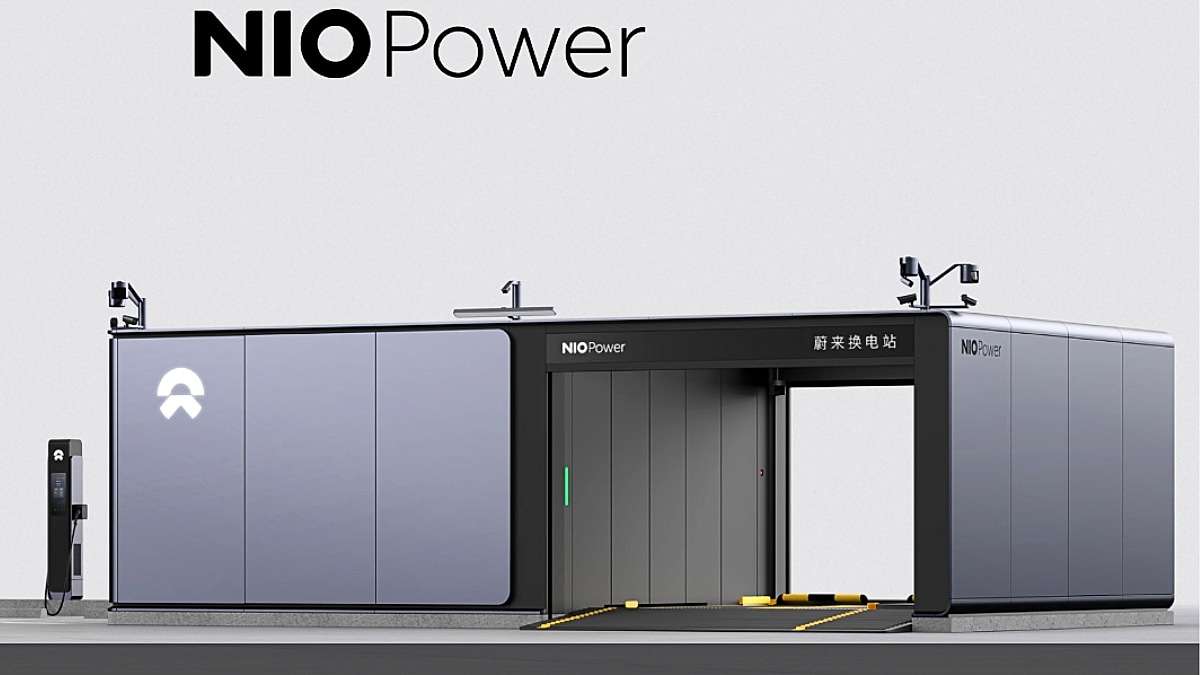

The electric vehicle landscape is currently defined by a "range anxiety" versus "charging speed" battle. For years, the industry has looked toward faster chargers, higher voltage architectures, and larger battery packs as the only viable solution. Yet, while the rest of the world debates the merits of 800V versus 900V systems, NIO has been quietly and methodically perfecting a different kind of magic: the battery swap.
With the recent launch of the flagship NIO ES9 and the subsequent excitement surrounding the fifth-generation battery swapping station, it is becoming clear that we are witnessing a genuine paradigm shift. Daniel Jin CEO of the Firefly brand recently shared a significant update on Weibo that confirms what many of us have been suspecting: the future of EV accessibility is being built in the specialized test stations of Kunshan.
A Universal Standard: The Complexity Behind the Convenience
It is easy to look at a battery swap and see it as a simple mechanical act. You drive in, wait a few minutes, and drive out with a full charge. However, as Daniel Jin highlighted in his recent post, the engineering required to support an entire ecosystem of vehicles, ranging from the massive, luxury-focused ES9 to the compact, agile urban hatchbacks of the Firefly brand, is monumental.
The fifth-generation swap station is not just a hardware upgrade. It is a fundamental redesign. When you have a vehicle lineup as diverse as NIO's, the debugging work required to ensure a smooth, safe, and compatible experience across all models is immense. By making these stations compatible with everything from their largest SUVs to the smallest Firefly city cars, NIO is effectively creating a universal energy infrastructure. This is a level of forward-thinking integration that legacy automakers, still struggling to even standardize charging plugs, simply cannot match. It is also worth noting that these 5 EVs have real door handles you can actually pull, a reminder that the small details of how drivers physically interact with their vehicles still matter alongside the bigger energy infrastructure story.
Why Firefly Matters in this Equation
When NIO launched the Firefly brand, it was marketed as a high-end, compact electric vehicle designed for both the Chinese and European markets. For many, the question was how a small car would fit into NIO's premium energy network.
The fact that Daniel Jin personally visited the Kunshan test station to verify the battery swapping capabilities for Firefly models is a massive signal of intent. It confirms that the Firefly brand is not an add-on or a compromise. It is an integrated part of the NIO energy ecosystem. This is a critical development for potential buyers. It means that even if you buy the entry-level Firefly, you are not just getting a car. You are gaining access to the same high-speed, 900V-ready battery swapping infrastructure that powers the top-tier ES9. That is the kind of value proposition that disrupts markets.
The Roadmap: What We Can Expect
The timeline shared by Daniel Jin provides a concrete outlook for the coming months:
- Mid-to-Late June 2026: The first batch of "pioneer" fifth-generation stations will begin operation.
- Third Quarter 2026: Large-scale deployment begins, rapidly expanding the reach of this new technology.
This aggressive rollout comes at a time when the broader EV industry is suffering from "price war" fatigue. While competitors are slashing prices on vehicles to maintain market share, NIO is doubling down on its competitive advantages. NIO and LONGi recently dropped a massive clean energy blueprint for Northwest China, showing that the company's infrastructure ambitions extend well beyond swap stations. They are betting that a superior user experience, one that renders the charging wait obsolete, is a more sustainable competitive advantage than simply lowering the price of a vehicle.
The "Opinion" Factor: Why I am Bullish
Looking at this objectively, I believe we are entering a phase where the Battery-as-a-Service model becomes the standard, not the exception. The ES9, priced at 498,000 yuan and dropping to 390,000 yuan under the BaaS model, demonstrates that NIO's strategy of separating the cost of the car from the cost of the energy is working. Many investors believe NIO is finally entering a new era with a 2026 pivot, and the fifth-generation swap station rollout appears to be a central part of that case.
By controlling the entire stack, the vehicle, the energy storage, and the intelligence, NIO is insulating itself from the volatility of the wider auto market. They are not just selling cars. They are selling a perpetual energy subscription.
As a fan of the tech, I find the progress on the fifth-generation station to be the most exciting development of 2026. Yes, early reports suggest the swap process for the Firefly may take slightly longer, around 3.5 minutes, as the station calibrates its robotic arms for smaller wheelbases. But that is a minor price to pay for the sheer convenience of a swap-capable city car.
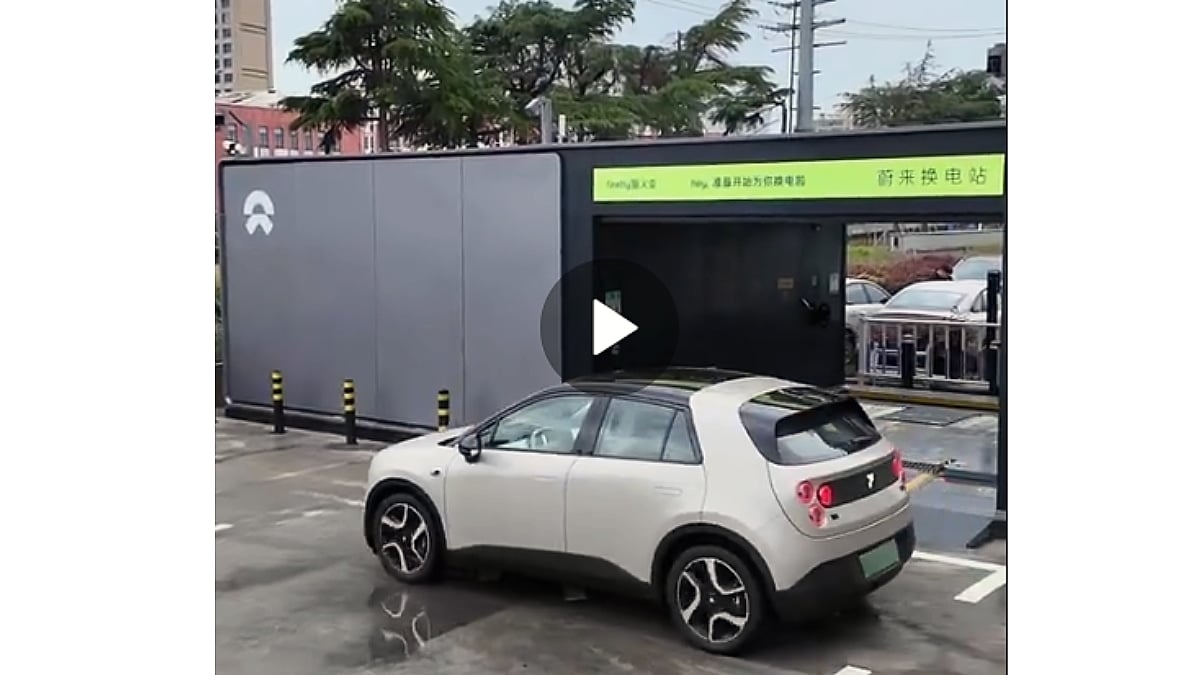
If the pioneer stations in June prove as seamless as the leadership implies, we are likely looking at a turning point where skeptics of battery swapping will finally have to concede that NIO's path is not only viable. It is the industry benchmark. The industry has spent years chasing the elusive perfect charge time. NIO has decided to stop waiting for that technology to mature and instead built a system that makes the wait irrelevant.
What are your thoughts on these new fifth-generation swap stations? Do you think making them compatible with both the high-end ES9 and the more compact Firefly line will be the key to bringing battery swapping to the mainstream? Or do you have concerns about whether the infrastructure costs can be scaled up effectively in the long run? Feel free to share your thoughts in the comments below.
About The Author
Marc Beresford, known as NIO Admirer on X, is an automotive enthusiast with a strong interest in NIO and its vehicles. Marc regularly share NIO and EV news, updates, and analysis about the company across X, LinkedIn, and YouTube, with a focus on delivering clear and timely information to followers. Marc has been closely following NIO since 2020.
Set Torque News as Preferred Source on Google
Follow us today...