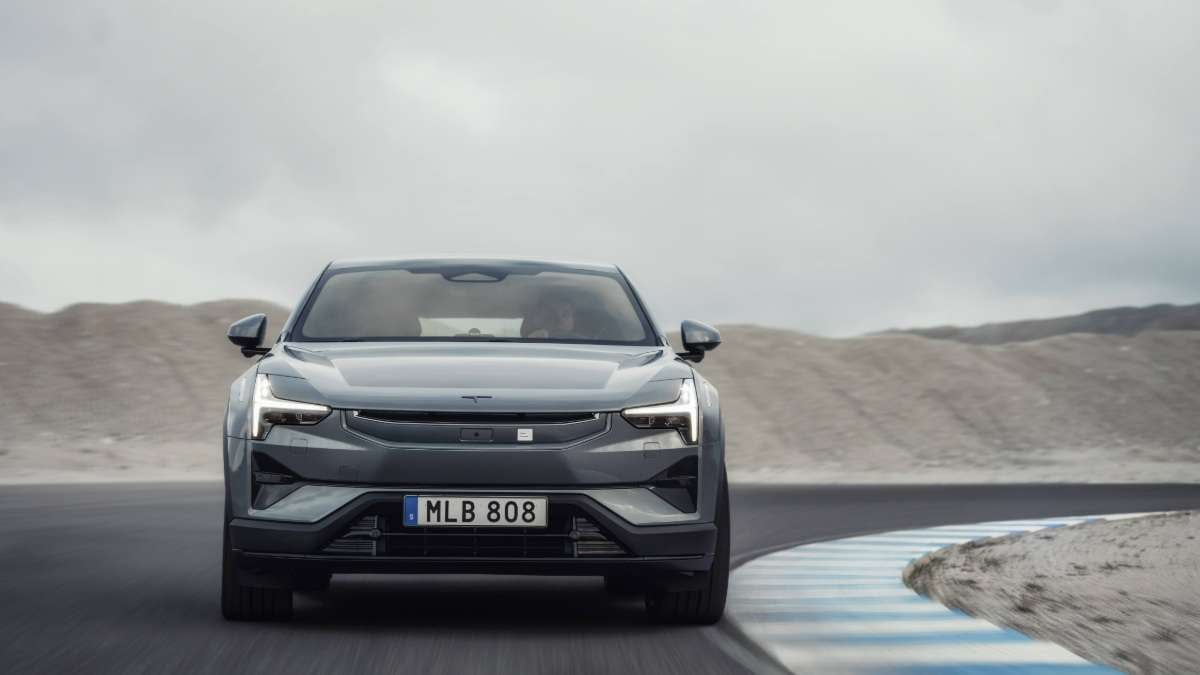

The luxury electric SUV segment has become increasingly competitive, with established premium brands and emerging electric specialists vying for discerning buyers' attention. Polestar, the Swedish performance electric brand spun off from Volvo, has entered this arena with the Polestar 3, promising Scandinavian design sensibilities combined with cutting-edge electric technology. As early adopters begin accumulating real-world experience with the vehicle, their feedback provides valuable insights into whether the Polestar 3 delivers on its ambitious promises.
Charlie Knight's experience with his Polestar 3, affectionately named "Quorra," represents the kind of ownership satisfaction that manufacturers hope to achieve. After more than a month of daily driving, his assessment reveals both the strengths that make the vehicle compelling and the areas where traditional automotive expectations still matter. His detailed feedback offers a window into the reality of living with a premium electric SUV that prioritizes minimalist design and advanced technology.
“It’s been over a month with Quorra, and she’s absolutely brilliant. I don’t mind the touchscreen-only approach, but having more buttons would still be nice, especially for headlight controls, climate, and adjusting suspension and driver settings. Not a single creak, squeak, or rattle to be heard in the cabin, and it rides like a bunker on a cushion of moss.
My only major gripe is that sometimes I feel like the headlights could be a bit stronger. On a dark road, they’re excellent, but around other traffic and on semi-lit city streets, I feel like the beam pattern gets washed out a bit more than I’d like. The massaging seats and virtually glitch-free infotainment with the Android Auto system have been great. Well done, Polestar.”
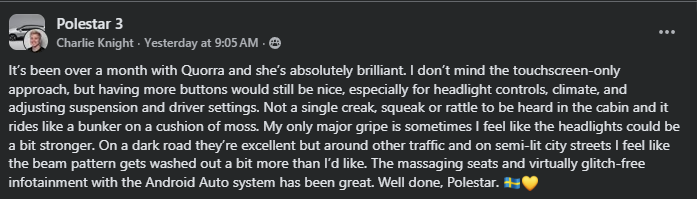
Knight's experience highlights several key aspects of modern luxury electric vehicle ownership. His acceptance of the touchscreen-centric interface, while still preferring physical controls for frequently used functions, reflects the ongoing tension between technological advancement and practical usability. The complete absence of interior noise issues speaks to Polestar's attention to build quality, a critical factor that has plagued some electric vehicle manufacturers. His poetic description of the ride quality as "like a bunker on a cushion of moss" captures the kind of refined driving experience that justifies premium pricing.
The Tesla Transition Success Story
The electric SUV market has been largely defined by Tesla's Model Y, making any comparison inevitable for potential buyers. Matt Harris's transition from Tesla to Polestar provides a valuable perspective on how the Swedish brand stacks up against the established electric leader. His experience, gained over several months of ownership, offers insights into the practical differences between the two approaches to electric luxury.
Same experience here, I got mine on 2 September and it's been fantastic. I don't mind the lack of buttons, having come from a Tesla Model Y, although I think it's a shame the excellent voice control can't do more of the functions you mention.
Harris's satisfaction with his Polestar 3 after coming from Tesla is particularly significant, given Tesla's reputation for technology integration and over-the-air updates. His comfort with the button-free interface, developed through Tesla ownership, suggests that buyers familiar with modern electric vehicles will adapt readily to Polestar's approach. However, his observation about voice control limitations points to an area where the vehicle could better leverage its advanced technology to compensate for the reduced physical controls.
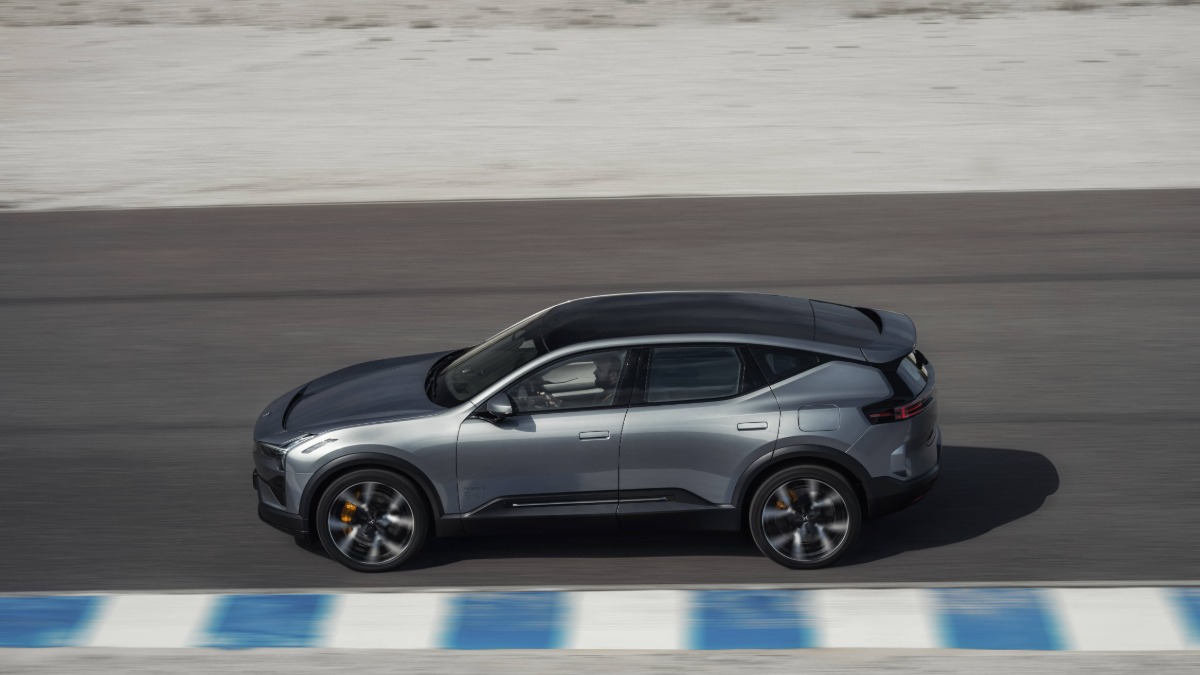
The timing of Harris's delivery in September aligns with Polestar's production ramp-up, and his positive experience suggests that the company has successfully navigated the quality control challenges that often affect new model launches. This is particularly important for a brand trying to establish credibility in the competitive luxury electric market, where Tesla Model Y alternatives are increasingly scrutinized by experienced electric vehicle owners.
When Premium Meets Problems
Not every Polestar 3 ownership experience has been uniformly positive, as demonstrated by one anonymous owner's frustrating journey with build quality issues.
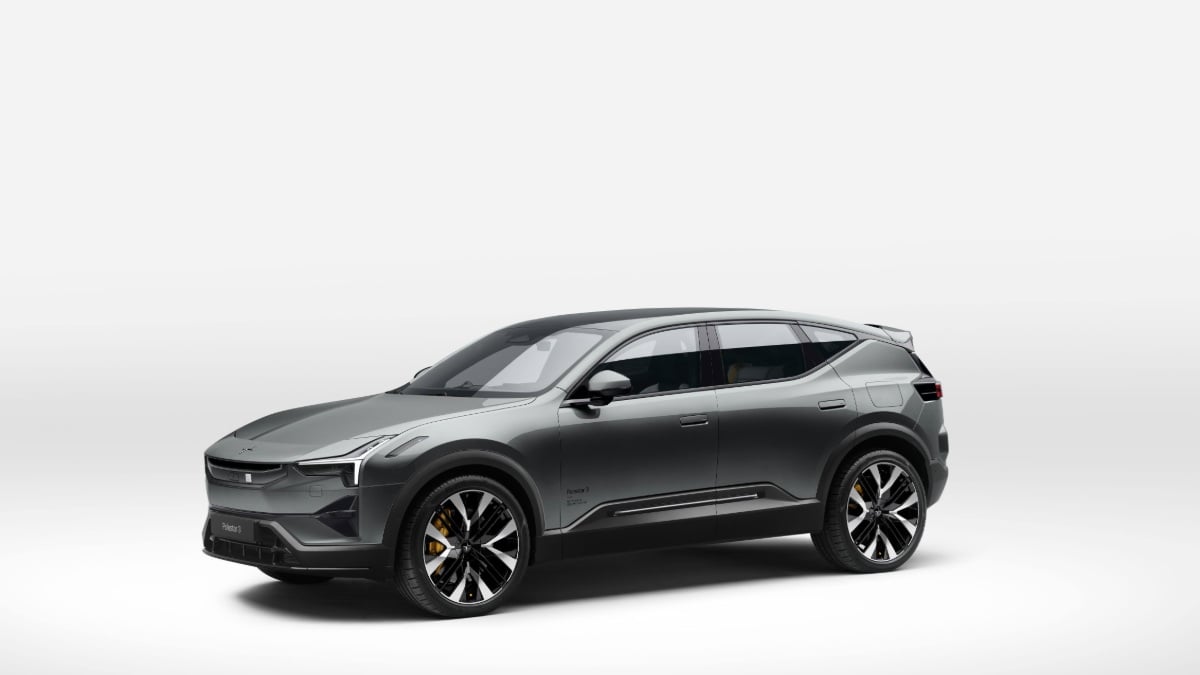
Their experience serves as a sobering reminder that even premium vehicles from established automotive groups can suffer from manufacturing inconsistencies that significantly impact the ownership experience.
Lucky you. Mine has been the opposite to where I have had to get lemon law attorneys involved. They needed another year, I think, to still develop this car. I'm hoping to get rid of it! I do agree it drives like a dream!!! But for a 90k-plus car, I shouldn't be hearing rattles, creaks, or any of that, and I do with mine. Funny part is they can never seem to hear it or fix it... done driving 4 hours to try to get this car fixed! Hopefully on to the next!
This owner's experience represents the nightmare scenario for any premium vehicle buyer: a fundamentally capable vehicle undermined by persistent quality issues that the manufacturer seems unable or unwilling to address effectively. The fact that they've resorted to lemon law attorneys indicates problems severe enough to potentially warrant vehicle replacement under consumer protection statutes. Their frustration is compounded by the service experience, where technicians apparently cannot replicate the issues the owner experiences daily.
The contrast between this experience and the positive reports from other owners highlights the quality control variability that can affect early production vehicles. The owner's acknowledgment that the vehicle "drives like a dream" makes their situation even more frustrating, as the core product appears sound while execution details create ongoing problems. This type of experience can be particularly damaging for emerging brands trying to establish a reputation in competitive markets.
Polestar 3 Ownership Highlights
- Many owners report exceptional cabin refinement with no creaks, squeaks, or rattles during normal operation.
- The suspension tuning delivers a uniquely comfortable and controlled driving experience that owners consistently praise.
- Android Auto implementation and infotainment systems generally perform reliably without the glitches common in some competitors.
- Owners transitioning from other premium electric vehicles adapt well to the minimalist, touchscreen-centric interface approach.
The Broader Electric Luxury Landscape
The Polestar 3's reception among early adopters reflects broader trends in the electric luxury SUV market, where traditional automotive virtues like build quality and ride refinement remain as important as technological innovation.
The vehicle's success in delivering a premium driving experience while maintaining electric efficiency demonstrates that established automotive expertise still matters in the electric transition.
Nilesh Patel's anticipation for his upcoming Polestar 3 delivery, particularly his interest in the Performance variant, suggests continued strong demand despite some quality concerns.
The experiences shared by Polestar 3 owners illustrate both the promise and the challenges facing premium electric vehicle manufacturers. While the fundamental product appears to deliver on its core promises of luxury, performance, and electric efficiency, the execution details that separate good vehicles from great ones remain critical. For Polestar, the challenge will be maintaining the positive aspects of the ownership experience while addressing the quality control issues that can undermine customer confidence.
As the electric luxury SUV market continues to evolve, with increasing competition from both traditional and new manufacturers, the Polestar 3's early ownership experiences provide valuable lessons about what customers expect from premium electric vehicles. Success in this segment requires not just advanced technology and attractive design, but also the consistent execution of traditional automotive virtues that create lasting customer satisfaction.
The owners who have embraced their Polestar 3s demonstrate the vehicle's potential, while those facing challenges highlight the work still needed to achieve consistent excellence.
For potential buyers, these real-world experiences offer a more nuanced view than marketing materials can provide, emphasizing the importance of thorough research and realistic expectations when entering the premium electric vehicle market. The Polestar 3's journey in the marketplace will ultimately be determined by the company's ability to learn from these early experiences and deliver the consistent quality that luxury buyers demand, regardless of the powertrain technology.
As more owners share their experiences, the true measure of the vehicle's success will become clear, providing valuable guidance for both the manufacturer and future customers in this rapidly evolving segment.
Have you considered making the switch from a traditional luxury SUV to an electric alternative like the Polestar 3? What factors would be most important to you in evaluating build quality and technology integration in a premium electric vehicle?
Share your thoughts on the electric luxury SUV market in the comments below.
Image Sources: Polestar Media Center
Noah Washington is an automotive journalist based in Atlanta, Georgia. He enjoys covering the latest news in the automotive industry and conducting reviews on the latest cars. He has been in the automotive industry since 15 years old and has been featured in prominent automotive news sites. You can reach him on X and LinkedIn for tips and to follow his automotive coverage.
Set Torque News as Preferred Source on Google
Follow us today...