
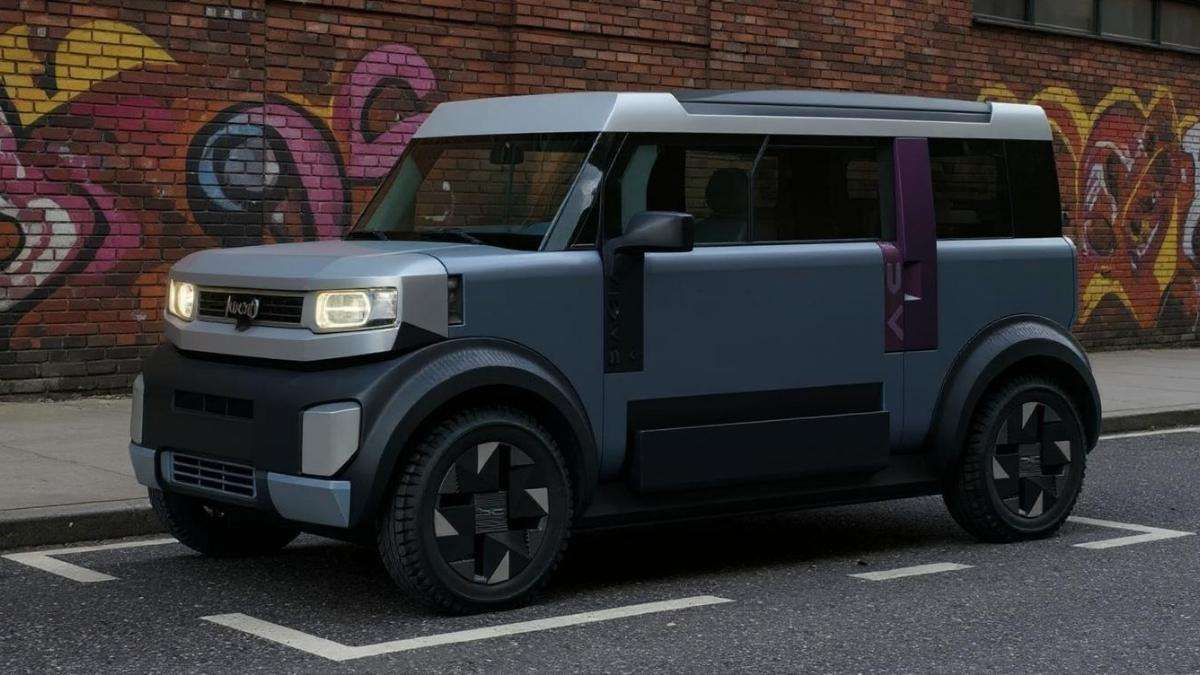

In an automotive world obsessed with six-figure price tags, ludicrous horsepower, and dashboards that look like command centers from a starship, the coolest thing you can do is opt out. There's a new kind of status symbol emerging, and it isn't a flashy badge; it's the quiet confidence of a smart purchase. This is the ethos that Dacia appears to be channeling with its rumored "Hipster" concept. While not yet an official model, the idea represents a rebellion against automotive excess. It’s a vision for a simple, honest, and brilliantly practical electric car designed to deliver what people need for a price they can actually afford. In an era of over-the-top EV concepts and luxury bloat, a car like the Dacia Hipster would be a refreshing dose of reality, proving that true innovation isn't just about adding more tech, but about making electric mobility accessible to everyone.
The Aggressive Price of Common Sense
Let's get straight to the point: for a vehicle like the Dacia Hipster Concept to work, it would have to be radically, almost absurdly, inexpensive. The target price would need to shatter the current floor of the EV market, aiming for a post-incentive price tag somewhere in the €15,000 (around $16,000) range. This isn't achieved with smoke and mirrors; it's the result of a relentless focus on value engineering. By leveraging its parent company Renault's proven EV platforms, Dacia could strip away non-essential, high-cost features while retaining the core of what makes a great car: reliability, safety, and practicality. It would be a testament to the idea that affordability doesn't have to mean compromise.
The Ultimate Second Car or Student Ride
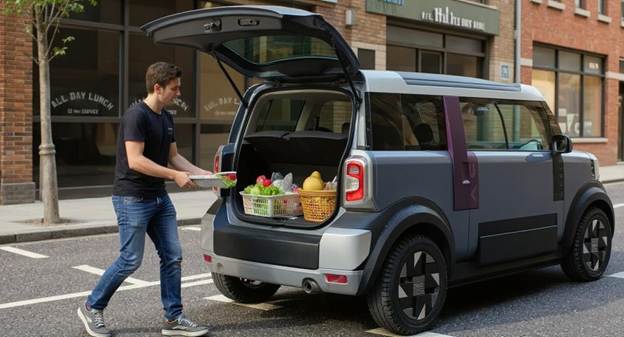
The Hipster Concept’s value proposition would make it the undisputed champion of a huge market segment: the practical second car. For a family that already has a larger SUV or EV for primary duties, the Hipster would be the perfect, low-cost solution for daily commutes, school runs, and errands. Its low purchase price and nonexistent fuel costs would make it an incredibly light lift on the household budget. For a student or a young person starting their career, it’s a game-changer. It would provide the freedom and reliability of a new car, with a full warranty, for a price that makes sense. It’s a smart, responsible choice that feels clever, not cheap, freeing up money for other priorities in life.
The Exploding Low-Cost EV Category
A concept like the Hipster wouldn't arrive in a vacuum; it would be the logical endpoint of the massive, much-needed wave of affordable EVs. After years of focusing on high-margin luxury vehicles, manufacturers are finally turning their attention to the mass market. The Hipster would face stiff competition from a host of new entrants, including the retro-cool Renault 5, the highly anticipated Volkswagen ID.2, and the compelling Citroën ë-C3. This explosion of choice in the sub-$25,000 segment is fantastic news for consumers. Dacia's advantage, however, is its established reputation for ruggedness and a decade of building brand trust with a value-first message.
Rugged Design and Clever Utility
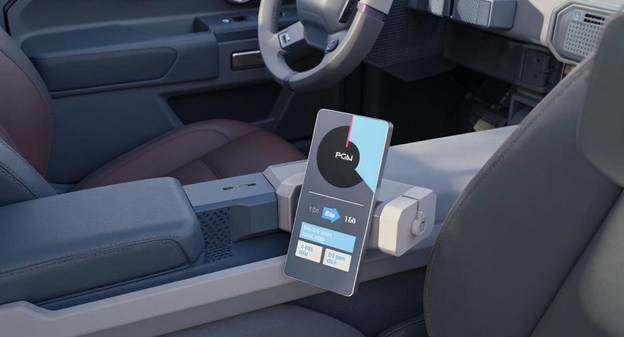
The design of a "Hipster" concept would be a masterclass in "form follows function." Picture a vehicle with the rugged, adventurous spirit of the new Dacia Duster but in a more compact, city-friendly package. Key to its aesthetic would be unpainted, recycled plastic body panels on high-wear areas like bumpers and wheel arches—a design choice that is both eco-friendly and practical, as it makes scratches and scuffs a badge of honor, not a costly repair. The interior would be minimalist but clever, featuring a simple smartphone dock as the primary infotainment system and durable, wipe-clean materials. The utility would be enhanced by features like Dacia's "YouClip" accessory system, allowing owners to customize their cabin with clip-on cupholders, lights, and tablet mounts. It would be a space designed for real life, not for a showroom.
Dacia's Unbeatable Formula
To understand why a concept like this is not just plausible but likely to succeed, you have to understand the Dacia brand. The Romanian automaker, revitalized under the ownership of Renault, has built a cult following by being the "IKEA of cars." They offer stylish, functional, and durable products at prices that seem almost impossible. Dacia has perfected the formula of using proven, reliable Renault components and focusing investment on the things that matter—space, reliability, and modern safety features—while avoiding expensive, unnecessary tech. The Hipster Concept would be the purest expression of this winning strategy, and it's why it would almost certainly be a sales phenomenon.
Wrapping Up
The Dacia Hipster Concept, whether it becomes a real car or remains a powerful idea, is more than just a vehicle; it's a statement. It’s a vote for practicality over pretension, for value over vanity. In a world where car ownership is becoming increasingly out of reach for many, Dacia provides a vital, accessible, and surprisingly stylish vision for the future. It proves that you don't need a massive touchscreen or a six-figure price tag to have a great EV. You just need smart design, honest engineering, and a relentless focus on the customer. This isn't just a car; it's a rolling revolution of common sense.
The Dacia Hipster Concept is a brilliantly affordable, stylishly practical EV. It perfectly nails Dacia's value-focused strategy, making it an ideal
Disclosure: Images rendered by Artlist.io
Rob Enderle is a technology analyst at Torque News who covers automotive technology and battery developments. You can learn more about Rob on Wikipedia and follow his articles on Forbes, X, and LinkedIn.
Set Torque News as Preferred Source on Google
Follow us today...





Comments
Honda called. They want…
Permalink
Honda called. They want their Element back.