
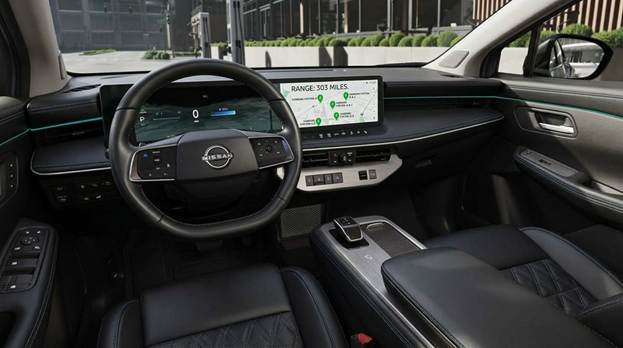
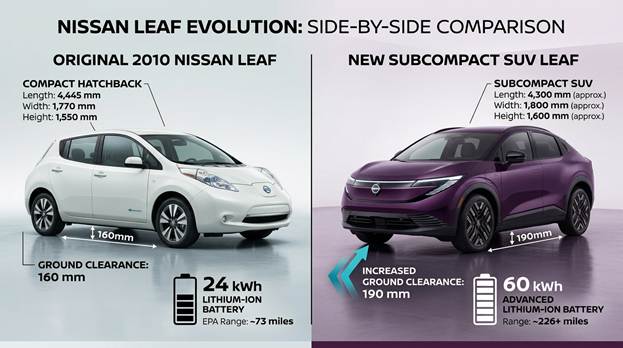
The automotive world is often defined by cycles of innovation and stagnation. For over a decade, the Nissan Leaf stood as a pioneer that refused to evolve, clinging to its hatchback roots and the increasingly obsolete CHAdeMO charging standard while the rest of the world moved toward CCS and eventually NACS. However, Nissan has finally broken the cycle. The new Nissan Leaf has transitioned into a subcompact SUV, boasting a 303-mile range and a starting MSRP under $30,000. By adopting the North American Charging Standard (NACS), Nissan isn't just updating a model; they are repositioning themselves for survival in an increasingly hostile economic environment.
The Strategic Importance of the Sub-$30,000 Price Point
We are currently navigating a perfect storm of economic pressure. With global oil prices remaining volatile and the cost-of-living rising, the "EV tax"—the premium consumers pay over internal combustion engine (ICE) vehicles—has become a significant barrier to adoption. Most capable electric SUVs have drifted into the $45,000 to $60,000 range, leaving a massive vacuum at the entry level.
By pricing the new Leaf under $30,000 before incentives, Nissan is hitting the "sweet spot" of mass-market affordability. Historically, the $30,000 mark is where mainstream buyers feel comfortable transitioning from a used vehicle or a budget sedan into a new, technologically advanced platform. In the context of an oil crisis, this price point transforms the Leaf from a "green statement" into a pragmatic financial tool. According to Kelley Blue Book, while EV prices are falling, they still often outpace ICE vehicles; Nissan’s move under the $30k barrier is a critical step toward price parity. When gas prices spike, the total cost of ownership (TCO) for a $30,000 EV with a 300-plus mile range becomes undeniably superior to almost any ICE alternative in its class.
A Legacy of Pioneering and Persistence
To understand where the Leaf is going, we must look at where it started. Launched in 2010, the Nissan Leaf was the first mass-produced electric car available to the general public. It was a brave experiment that succeeded in proving EVs could be daily drivers. However, the early models suffered from limited range and a lack of active thermal management for the battery, which led to concerns regarding long-term battery degradation.
The traditional Leaf buyer was an "early adopter" or a dedicated environmentalist willing to overlook the car’s quirky styling and limited utility. As the market matured, this demographic shifted toward value-conscious commuters. The transition to a subcompact SUV format fundamentally changes this dynamic. It moves the Leaf from being a "niche commuter car" to a "primary family vehicle." The SUV body style offers the cargo capacity and seating height that modern buyers demand, effectively broadening the Leaf's appeal from the fringe to the heart of the market.
Ditching the Legacy: The NACS Revolution
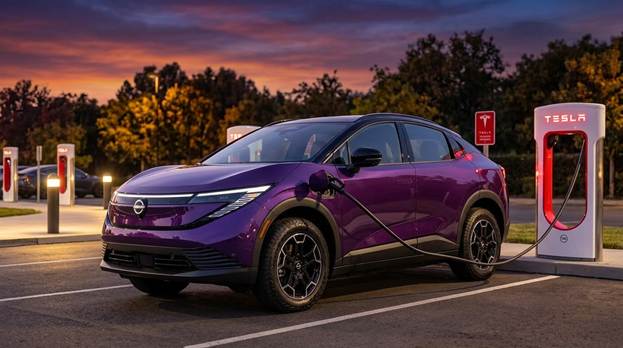
One of the most significant hurdles for the previous generation Leaf was its adherence to the CHAdeMO charging port. As the industry consolidated around CCS and then pivoted toward Tesla’s NACS (North American Charging Standard), the Leaf became an island. Owners often found themselves unable to use the fastest and most reliable chargers.
By finally adopting NACS, Nissan has removed the single greatest technical "gotcha" for the brand. This move ensures that Leaf owners have access to the Tesla Supercharger network, which remains the gold standard for reliability and ease of use. This transition is part of a broader industry shift, as noted by Consumer Reports, which highlights how NACS is becoming the de facto standard for North American drivers. This isn't just a technical upgrade; it’s a massive boost to the vehicle’s residual value.
The Competitive Landscape: David vs. the Goliaths
The subcompact SUV EV space is becoming crowded, but Nissan’s new specs put it in an enviable position. The Leaf’s primary competitors include the Chevrolet Equinox EV and the Hyundai Kona Electric.
- Chevrolet Equinox EV: While the Equinox EV also targets the affordable segment, Nissan’s sub-$30,000 starting price undercuts many of the competitors' higher trims.
- Hyundai Kona Electric: The Kona Electric is an excellent vehicle, but hitting a consistent 300-mile range at a budget price point remains a challenge for many manufacturers.
- Tesla Model 2 (Rumored): While Tesla has long teased a $25,000 car, Nissan actually has a vehicle ready for the road. In the tech world, being first to market with a viable product often beats having a "perfect" product that is perpetually "coming soon."
The Health of Nissan and the Path Forward
Nissan has had a turbulent few years, marked by leadership changes and a perceived lag in its electrification strategy. The Ariya was a step in the right direction, but its higher price point limited its impact on Nissan’s bottom line.
The new Leaf is exactly what Nissan needs to revitalize its brand image. It leverages the company’s decade of EV manufacturing experience while shedding the "low-tech" baggage of the previous generation. As Reuters has reported on Nissan's "Arc" strategy, the company is focusing on high-volume, high-value EV growth. This car doesn't just help Nissan; it potentially saves their relevance in the North American market. It proves that Nissan can still innovate and, more importantly, that they are listening to what the market actually wants.
Wrapping Up
The transition of the Nissan Leaf from a legacy hatchback to a 303-mile subcompact SUV with NACS charging is a masterclass in product pivoting. By hitting a sub-$30,000 price point during a global oil crisis, Nissan is positioning the Leaf as the ultimate pragmatic choice for the modern consumer. They have successfully transitioned the vehicle from a niche enthusiast product to a mainstream contender that addresses the biggest hurdles to EV adoption: price, range anxiety, and charging infrastructure. This is the car Nissan needed five years ago, but arriving now, it might just be the most important vehicle in their current lineup.
Disclosure: Images rendered by Artlist.io
Rob Enderle is a technology analyst at Torque News who covers automotive technology and battery developments. You can learn more about Rob on Wikipedia and follow his articles on TechNewsWord, TGDaily, and TechSpective.
Set Torque News as Preferred Source on Google
Follow us today...