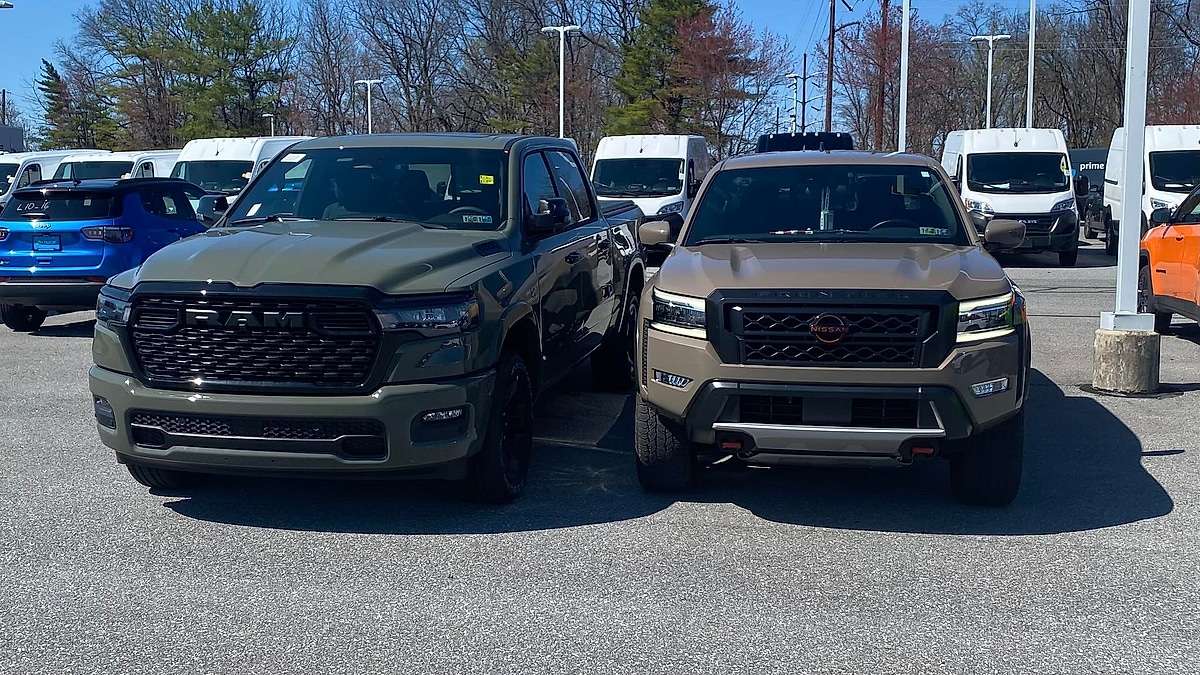

The shock of trading a nearly new 2024 Nissan Frontier PRO-4X isn't about mechanical failure; it's about a physical realization that a mid-size cabin simply cannot grow with your needs, and for owner Neil Bull, the solution was a 2026 Ram 1500 Big Horn equipped with the classic Hemi V8. After investigating hundreds of technical reports and owner sentiments, I've found that what truck shoppers need to know here is clear: buyers are increasingly willing to sacrifice the Frontier's proven V6 reliability and off-road prowess for full-size interior dimensions and the peace of mind offered by a naturally aspirated V8 over the newer, more complex 3.0L Hurricane twin-turbo inline-six.
In my two decades of automotive reporting, I’ve seen many owners regret the "mid-size compromise" once they realize that rear-seat legroom and shoulder room are the one things you can't upgrade in the aftermarket.
Executive Summary for Automotive Professionals and Buyers
This investigative report analyzes the recent trade-in of a 2024 Nissan Frontier PRO-4X for a 2026 Ram 1500 Big Horn, highlighting a significant trend in the 2026 truck market. We evaluate the trade-off between the Frontier’s legendary 3.8L V6 reliability and the Ram 1500’s superior interior volume. A critical component of this analysis is the consumer's rejection of the high-tech Hurricane twin-turbo engine in favor of the aging but trusted 5.7L Hemi V8 architecture. This report establishes that for high-mileage drivers and families, physical cabin volume and powertrain simplicity remain the primary drivers of brand defection, overriding the appeal of newer, smaller turbocharged powerplants.
The Trade-Off: Reliability vs. Reality in the 2024 Frontier
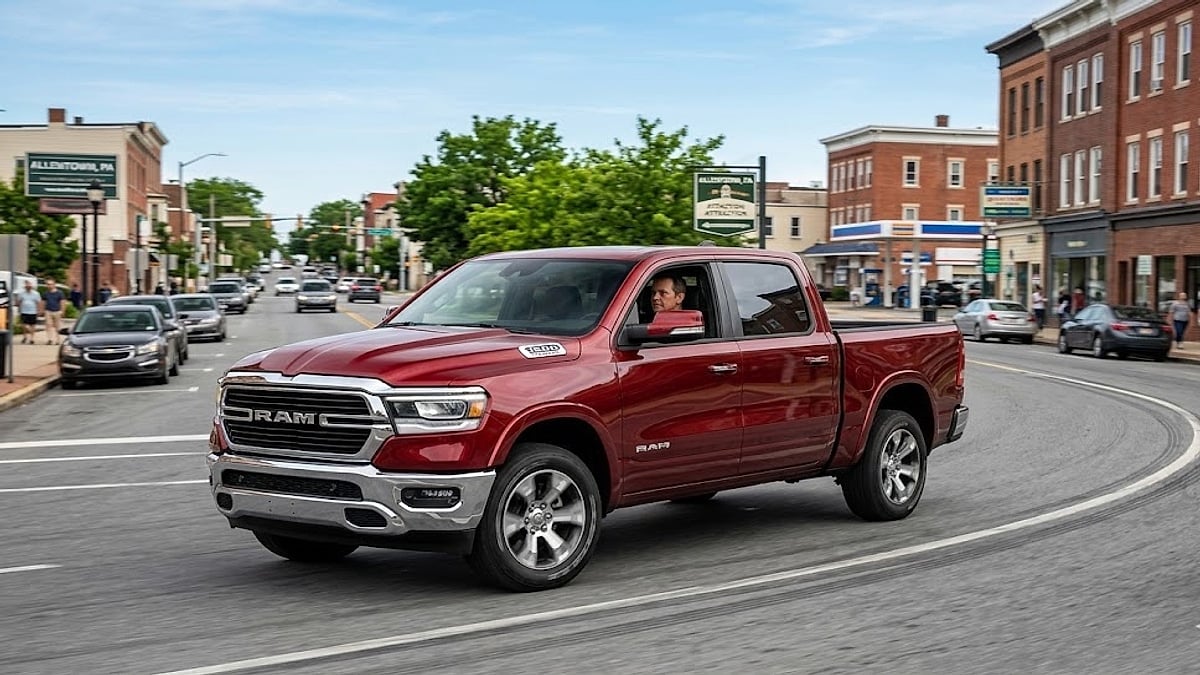
When Neil Bull from Allentown, Pennsylvania, posted his story on the Dodge Ram 1500 Owners Facebook page, he touched on a nerve I’ve been tracking for months. Neil said, “I’m new to the group, as I just traded my 2024 Nissan Frontier for a 2026 Ram 1500 Big Horn. I’ve been reading that there are problems with the Hurricane, so I’m getting the Hemi. Too many things can go wrong with those Hurricane engines. I would rather avoid all that. The reason for ditching the Frontier is that I went with the Frontier PRO-4X over the Toyota Tacoma 4-cylinder turbo because of the V6 reliability, but the Frontier’s cabin is too cramped and small, and I need more room.”

Neil's decision to pick the Frontier originally was smart; he wanted to avoid the new Tacoma's 4-cylinder turbo. As a journalist who has covered Nissan’s truck evolution for decades, I know the 3.8L V6 in the Frontier is a masterpiece of "keep it simple" engineering. However, as noted in a recent evaluation of mid-size constraints, the Frontier Crew Cab is really only designed for four people because the domed middle position is for emergencies only, a fact substantiated by reports at Driving.ca, which confirm that the rear legroom of just 33.2 inches often feels restrictive for growing families. I have previously written about how the outdated Frontier can actually be a best buy because of its proven engineering, but as Neil discovered, you can’t fix "cramped."
Why the 2026 Ram 1500 Hemi is the "Safe Haven" for Skeptical Buyers
The move to the 2026 Ram 1500 Big Horn isn't just about gaining nearly 10 inches of rear legroom; it's a strategic move to secure one of the last remaining Hemi V8s. While Stellantis is pushing the Hurricane twin-turbo inline-six as the future, many of my readers are terrified of the "new engine blues." In a 2026 market flooded with small-displacement turbos, the Hemi remains a stalwart of simplicity. Experts at Lodi CDJR point out that the Hemi is rooted in classic American V8 power with proven durability over many years, whereas the Hurricane is a newer, more complex design that hasn't yet earned that same level of trust from the old-school truck community.
After spending 30 years under hoods and behind wheels, I can tell you that the complexity of twin-turbochargers, intercoolers, and high-pressure plumbing in the Hurricane engine poses a significantly higher long-term maintenance risk than the Hemi's naturally aspirated setup. Ram has made massive strides lately, with the Ram 1500 recently being ranked as the #1 most dependable full-size truck by J.D. Power, a turnaround that I’ve followed closely as it climbed the ranks to beat out domestic and Japanese rivals alike.
Field Observations from Owner Communities
The sentiment Neil expressed isn't isolated. In the broader truck community, the debate between the "effortless" power of a V8 and the "peppy" but stressed nature of turbos is raging. On r/ram_trucks, one owner, DaikonProof6637, shared a technical concern that perfectly mirrors my own professional analysis: "It's like having a pony on speed do the job of a Clydesdale. It'll get it done sure, but eventually its heart is gonna explode from being overworked," as documented in this Reddit discussion. Based on my experience, this aligns with the reality that small-displacement engines under heavy boost in heavy trucks often face thermal management issues that a larger V8 simply ignores.
Another owner on the same thread, Equal-Tea-3887, noted the difference in daily drivability, stating that the Hurricane "doesn't have the effortless low-end acceleration like the Hemi," a sentiment you can read here.
A turbocharger needs time to "spool up" to create torque, whereas a Hemi provides immediate displacement-based torque. For a driver coming from a Nissan V6, that lack of "instant" response can feel like a step backward, even if the spec sheet says the turbo is faster.
Key Takeaways for Truck Buyers
- Evaluate the cabin dimensions before the powertrain; you can't modify your way out of a cramped back seat once the papers are signed.
- Choose the 5.7L Hemi V8 if you prioritize long-term maintenance simplicity and immediate low-end throttle response over maximum fuel efficiency.
- Research the results of real owners on forums like the Dodge Ram 1500 Owners page to see how new engines like the Hurricane are performing in the wild before committing.
- Verify whether the mid-size segment truly fits your lifestyle, as many 2024 Frontier owners are finding that the jump to full-size is the only way to meet growing utility needs.

Is the Hurricane Engine Actually Failing?
The logical next question for any buyer is: Are there documented widespread failures of the Hurricane engine, or is this just "fear of the unknown"? As of May 2026, the Hurricane engine is still relatively young in the Ram 1500 lineup. While I haven't seen a massive wave of "part failures" as we saw with some earlier EcoBoost generations, the complexity is undeniable. The primary "failures" we are seeing are electronic sensors and software glitches related to the turbo wastegate actuators. If you are a buyer who keeps your truck for 10 years and 200,000 miles, the Hemi remains the lower-risk investment, even if it drinks more fuel.
Final Conclusion on the Mid-to-Full-Size Shift
The story of Neil Bull trading his 2024 Frontier PRO-4X is a classic example of why the spec sheet doesn't tell the whole story. You can have the most reliable V6 in the world, like Nissan’s 3.8L, but if the truck doesn't fit your life, it’s the wrong truck. By moving to the 2026 Ram 1500 Hemi, Neil solved two problems: he gained the massive interior volume of a full-size pickup, and he avoided the unproven complexity of the Hurricane engine. As we move further into 2026, I expect more mid-size owners to realize that "downsizing" has its limits. We are seeing a return to the "bigger is better" philosophy, not just for power, but for the fundamental human need for space.
What Would You Do? Would you stick with a reliable mid-size truck and deal with the cramped space, or would you trade up for a V8 full-size before they disappear forever? Tell us what you think and leave a comment using the red "Add new comment" link below.
About The Author
Denis Flierl is a 14-year Senior Reporter at Torque News and a member of the Rocky Mountain Automotive Press (RMAP) with 30+ years of industry experience. Based in Parker, Colorado, Denis leverages the Rockies' high-altitude terrain as a rigorous testing ground to provide "boots-on-the-ground" analysis for readers across the Rocky Mountain region, California EV corridors, the Northeast, Texas truck markets, and Midwest agricultural zones. A former professional test driver and consultant for Ford, GM, Ram, Toyota, and Tesla, he delivers data-backed insights on reliability and market shifts. Denis cuts through the noise to provide national audiences with the real-world reporting today’s landscape demands. Connect with Denis: Find him on LinkedIn, X @DenisFlierl, @WorldsCoolestRides, Facebook, and Instagram.
Photo credit: Denis Flierl via Neil Bull
Set Torque News as Preferred Source on Google
Follow us today...