
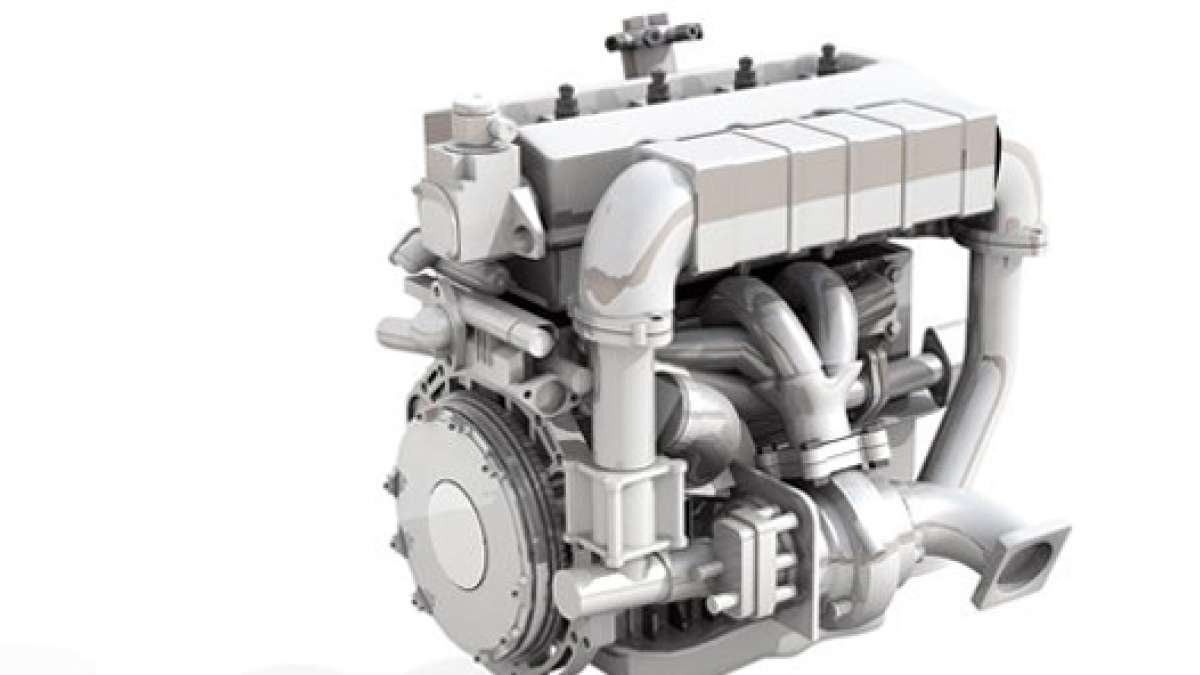

Called a Gasoline Direct-Injection Compression Ignition (GDCI) engine, it could be the powertrain that puts Hyundai at the head of the class when it comes to fuel efficiency based on an article at Car & Driver. As the magazine reports, "It all adds up to a 10-to-15-percent efficiency improvement without switching to a troublesome fuel. Strides like this will keep the internal-combustion engine eligible for stand-alone or hybrid-propulsion duties for decades to come."
That 10 to 15 percent number is significant because it would reduce the average fuel cost of a gasoline engine so it is equal to a diesel. In this case we compared the 2014 Jetta 2.0-liter gas engine to the Jetta 2.0-liter diesel. Annual fuel cost for the diesel is $1750 and $2150 for the gas equivalent. Improve fuel economy by 15% and that number drops to $1825.
Here's the technical rundown for all you folks into that kind of stuff: "GDCI achieves auto ignition by heating intake air with carefully controlled amounts of exhaust gas followed by squeezing the dickens out of the mix with a 14.8:1 compression ratio. Injecting a small dose of gas just before top dead center, and the main fuel squirt just after that point, yields cylinder pressures that rise far more gently than those found in any diesel. This improves efficiency, since combustion pressure is working against a descending piston."
Combined with Hyundai's emphasis on fuel cell vehicles and its burgeoning entry into electric vehicles, the Korean automaker could become a leading green vehicle manufacturer. This could explain why the company, so far, has not attempted to launch a diesel version of any of its vehicles in the United States.
Look for more interesting news to come from Hyundai on this new engine as two test cars are unveiled later this year.
Set Torque News as Preferred Source on Google
Follow us today...







Comments
This sounds like great
Permalink
This sounds like great technology. All the benefits of diesel but without the stink and soot. Just curious do these engines use "Special" lubricating oils like diesels or do they use regular oils like a gasoline engines?
Premium fuel required? That
Permalink
Premium fuel required? That would turn the fuel cost argument on it's ear...
Ford's EcoBoost and Mazda's
Permalink
Ford's EcoBoost and Mazda's SKYACTIV engines are just a few ounces of pressure away from this same thing (compression-wise). Hyundai probably hasn't yet done durability testing, which would be another major milestone before this could come to market.
To commenter Gary L. Looks
Permalink
To commenter Gary L. Looks like the engines use 87 octane. This is a "diesel" engine that runs unthrottled and power is controlled by the amount of fuel injected. The gasoline is injected during the Expansion stage so no high stresses in the engine.
Thanks Mike W. That
Permalink
In reply to To commenter Gary L. Looks by mike w (not verified)
Thanks Mike W. That certainly makes the prospects for this engine much more interesting!
Any indication as to whether
Permalink
Any indication as to whether the air/fuel ratio will be stoichiometric calibrated or will have a lean bias?
This is a diesel engine that
Permalink
This is a diesel engine that burns gasoline so my bet would be lean burn.