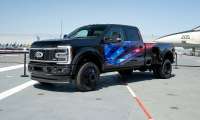

Way back in 2011, I attended the Nissan “Drive Electric Tour” stop in Seattle. It was a high-profile promotional event conducted in 26 cities to introduce the general public to the Nissan LEAF. Back then, EVs were mostly unknown to the public and Nissan conducted a masterful education session covering topics like the history of EVs, environmental impact, home charging hardware, and the completely new smartphone app. The event was held in three tents that attendees queued through as they waited for a test drive. The experience reminded me of a mini-EPCOT center in that it laid out a vision of the future.
Well, as the newly published Plug In America Electric Vehicle Guide shows, we are now living in that future. Back in 2011, the Nissan Drive Electric Tour marked the beginning of mass market EVs in the United States. Today, we have over 28 mass market electric cars on the market. That’s not really new news, but the very affordable prices of some of the vehicles is new news.
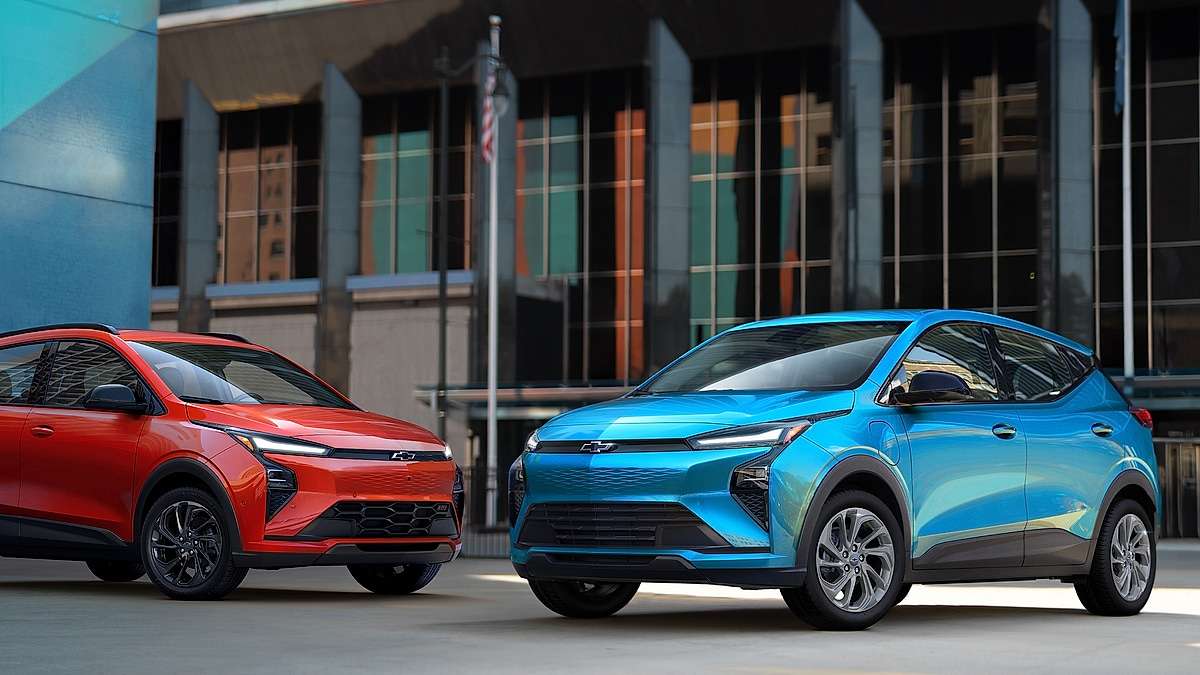
As crazy is it sounds, the average price of a passenger vehicle in the U.S. is now over $49,000. This includes all types of vehicles in including gas powered. Given this, it will come as a relief to see that some of the most popular EVs like the Chevy Equinox EV and the Toyota bZ are priced at or below $30,000. The cheapest being the Chevrolet Bolt coming in at $27,600.
A Market That Refuses to Stall
This is an awkward moment for hesitation. Electric vehicles have moved from novelty to measurable force, with momentum that is difficult to dismiss. More than 1.2 million new light duty EVs were sold in the United States through the first three quarters of 2025, setting a new high for that period. Market share reached nearly 12% in the third quarter. Over 7 million EVs have been sold since 2015, with more than half of those arriving in just the past three years. The trajectory is not subtle. It resembles acceleration rather than transition.
Growth at this scale tends to attract confidence. It can also provoke second thoughts. Several American automakers appear to be experiencing both at once.
Growth That Outpaces Expectations
The most recent sales figures reveal a market that is expanding across nearly every major manufacturer. In the third quarter of 2025, most legacy automakers posted year over year gains exceeding 30%. Volkswagen approached 140% growth, General Motors exceeded 100%, and Hyundai rose about 45%. Longer term comparisons are even more striking. From the third quarter of 2021 to the same period in 2025, General Motors increased EV sales more than tenfold, Hyundai expanded more than fivefold, and Volkswagen nearly tripled its volumes.
Only a few large players failed to match this pace. Even so, the broader pattern remains clear. Demand has not plateaued. It continues to climb, often faster than expected.
Such numbers tend to invalidate the argument that consumers are reluctant. The data suggest something closer to impatience.
The Power of Choice
A central driver of this growth is not technological breakthrough alone, but simple availability. In 2015, the American market offered a narrow selection of electric vehicles. There were 19 passenger cars, no pickups, and six crossover or SUV options. By 2025, the landscape looks entirely different. Buyers can choose from 28 electric cars, six pickups, and 79 SUVs.
This expansion has reshaped the market. Ten automakers now offer at least five EV models, while seven offer ten or more. The relationship between availability and adoption appears direct. Over the same period, annual EV sales increased roughly twelvefold.
Price has also played a decisive role. Many of these newer models start below $50,000. Approximately 68% of battery electric vehicle sales through September 2025 came from vehicles in that range. The industry has moved beyond early adopters and into the realm of mainstream consideration.
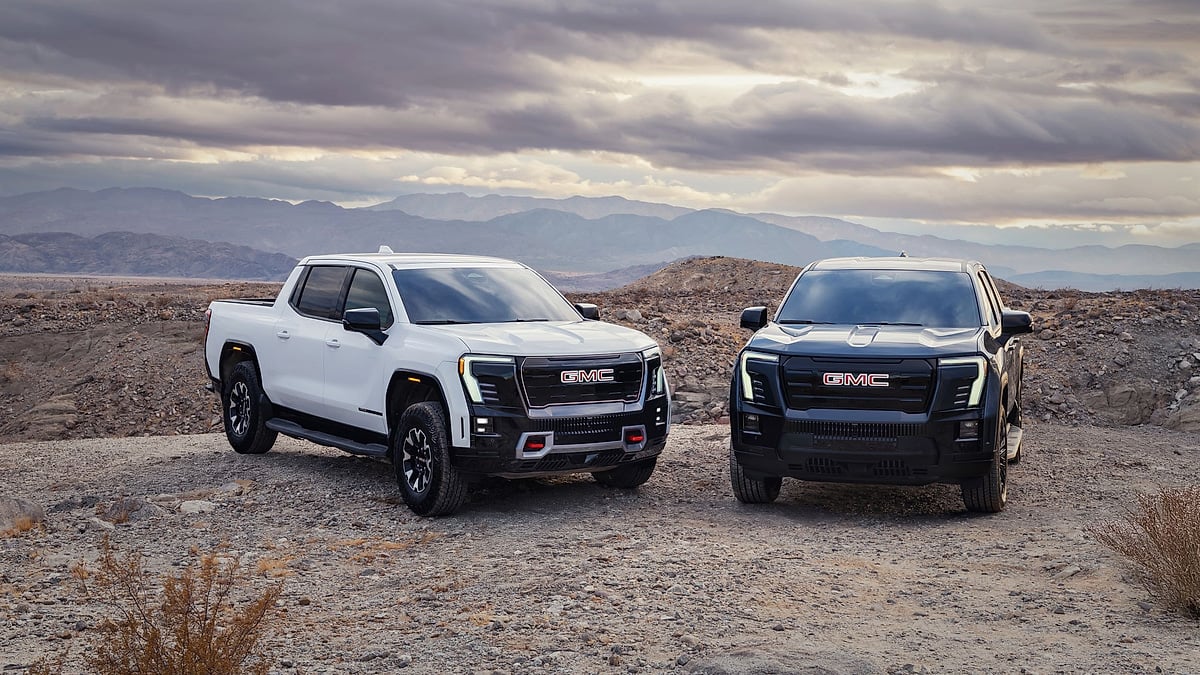
Consumers, it seems, respond well to options that resemble their existing preferences.
Evidence from the Field
Individual manufacturers provide useful case studies. General Motors and Hyundai each offered only three EV models in 2015. By 2025, those figures had risen to 14 and 15 models respectively. Sales followed suit. General Motors increased EV volumes more than sevenfold. Hyundai achieved an expansion exceeding one hundredfold.
Such growth is difficult to attribute to marketing alone. It reflects a broader shift in product strategy. Automakers that invest in variety appear to capture demand more effectively.
Consumer behavior reinforces this conclusion. Surveys indicate that a majority of American buyers express interest in purchasing an EV as their next vehicle. That level of interest exceeds the current 12% market share, suggesting latent demand still exists.
Anecdotal signals point in the same direction. The electric version of the Ford Mustang has recently outsold its gasoline counterpart by a ratio of roughly two to one. Symbolism matters in the automotive industry. When an electric model surpasses an iconic nameplate, it hints at changing loyalties.
The Curious Case of Strategic Retreat
Despite strong sales and encouraging indicators, several American automakers have chosen to slow their EV ambitions. Some have delayed new model launches. Others have scaled back investment or adjusted timelines.
Executives cite familiar concerns. Regulatory uncertainty creates hesitation. Costs have proved higher than anticipated. Questions linger about the pace of consumer adoption.
These explanations are not without merit. The transition to electrification is capital intensive. Supply chains remain complex. Policy signals are not always consistent.
Still, the timing raises questions. Retreating during a period of record sales and expanding demand appears counterintuitive. Global competitors, particularly in Europe, China, and South Korea, have shown fewer signs of hesitation. They continue to invest aggressively.
Markets rarely reward indecision for long.
Economics Beneath the Surface
The expiration and reduction of federal tax credits have complicated the near term outlook. Without these incentives, the upfront cost of EVs has effectively increased for American buyers.
Yet total ownership economics tell a different story. Electric vehicles typically deliver substantial savings in fuel and maintenance over their lifetime. These savings can amount to several thousand dollars, often offsetting higher purchase prices even in the absence of subsidies.
Battery costs continue to decline, driven by scale and global competition. Cost parity between electric and conventional vehicles appears increasingly plausible in the near future. When that threshold is reached, the economic argument becomes difficult to contest.
Short term price signals may obscure long term value. Consumers, however, tend to notice both eventually.
Adaptation in Real Time
Some automakers have responded to the shifting policy environment with pragmatic adjustments. Tesla has reduced prices on its core models. General Motors has revived the Bolt and introduced lower priced versions of the Equinox EV. Ford has adjusted pricing and expanded trim options for the Mustang Mach E and F 150 Lightning.
These actions reflect a recognition that demand remains sensitive to affordability. They also demonstrate a willingness to protect market share even as incentives fade.
The strategy carries risk. Margins may compress. Competitive pressure may intensify. Yet the alternative, ceding ground during a period of growth, carries its own consequences.
In markets undergoing transformation, standing still can resemble retreat.
States Step Forward
With federal support becoming less predictable, state governments have assumed a more prominent role. Colorado has increased rebates for qualifying EVs to as much as $9,000. California continues to refine its zero-emission vehicle strategy, emphasizing streamlined permitting, expanded incentives, and infrastructure investment.
Cap and invest programs channel funds into charging networks and support for lower income households. Multi state collaborations aim to share best practices and coordinate policy approaches.
This patchwork of initiatives lacks the simplicity of a unified national policy. It does, however, provide momentum. States appear willing to fill gaps when necessary.
Policy, much like technology, evolves through iteration.
Short Term Volatility, Long Term Direction
Recent sales data illustrate both the resilience and sensitivity of the market. Battery electric vehicle sales in October 2025 declined by roughly 25% compared with the previous year, coinciding with the expiration of federal incentives. The preceding month told a different story. September sales surged more than 40% year over year, as buyers accelerated purchases before incentives disappeared.
Such fluctuations are not unusual in markets influenced by policy changes. They reflect timing rather than fundamental weakness.
Underlying drivers remain intact. Model availability continues to expand. Costs are trending downward. Consumer interest remains strong. Industry and state responses provide additional support.
Temporary disruption should not be mistaken for structural decline.
Conclusion: A Test of Conviction
The American electric vehicle market now faces a test that extends beyond technology or consumer preference. It is a test of conviction. The evidence suggests that demand is real, growth is sustained, and the economic case is strengthening. The expansion of models has broadened the market, attracting buyers who previously saw little relevance in electrification.
Yet parts of the domestic industry appear uncertain, even as global competitors advance with greater clarity. Decisions made in this period will shape competitive positions for years to come. Those who maintain investment and adapt to changing conditions may secure leadership in a rapidly evolving market. Those who hesitate risk surrendering ground that may prove difficult to recover.
Transitions of this scale rarely proceed in a straight line. They do, however, tend to reward persistence.
What Do You Think?
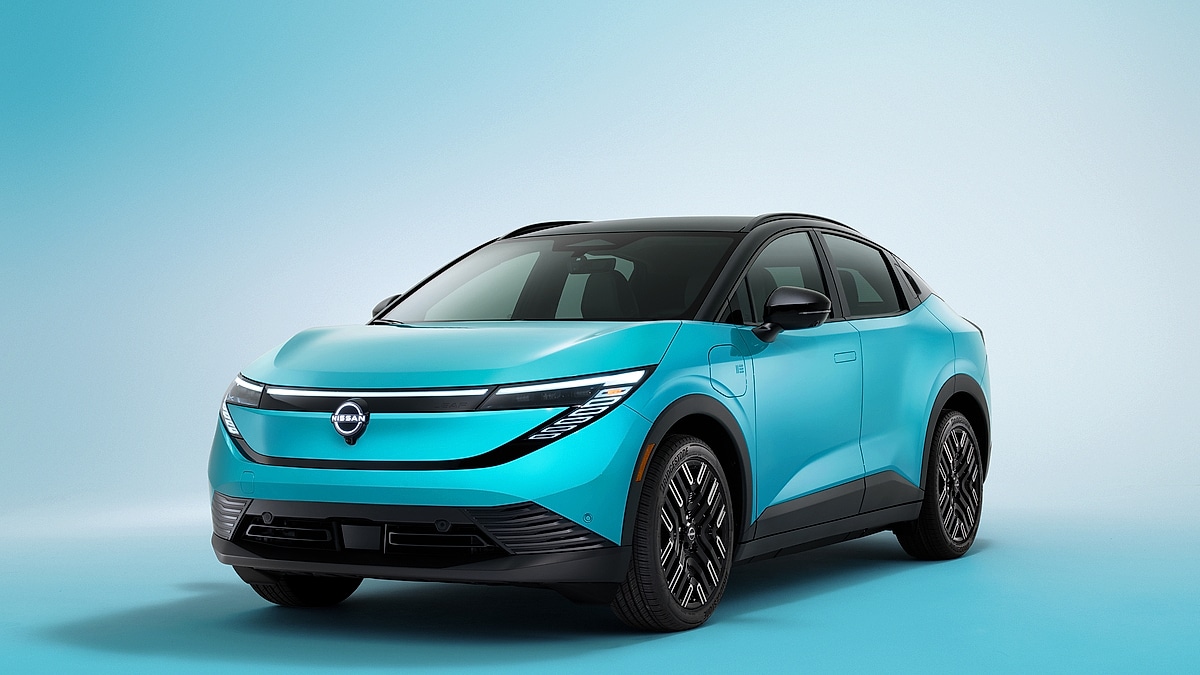
If you were shopping today, would you choose the Nissan LEAF or something like the Chevy Equinox EV at a similar price point?
What has your real world cost savings been compared to a gas vehicle?
Chris Johnston is the author of SAE’s comprehensive book on electric vehicles, "The Arrival of The Electric Car." His coverage on Torque News focuses on electric vehicles. Chris has decades of product management experience in telematics, mobile computing, and wireless communications. Chris has a B.S. in electrical engineering from Purdue University and an MBA. He lives in Seattle. When not working, Chris enjoys restoring classic wooden boats, open water swimming, cycling and flying (as a private pilot). You can connect with Chris on LinkedIn and follow his work on X at ChrisJohnstonEV.
Photo credit: Chevrolet media kit, Nissan media kit
Set Torque News as Preferred Source on Google
Follow us today...