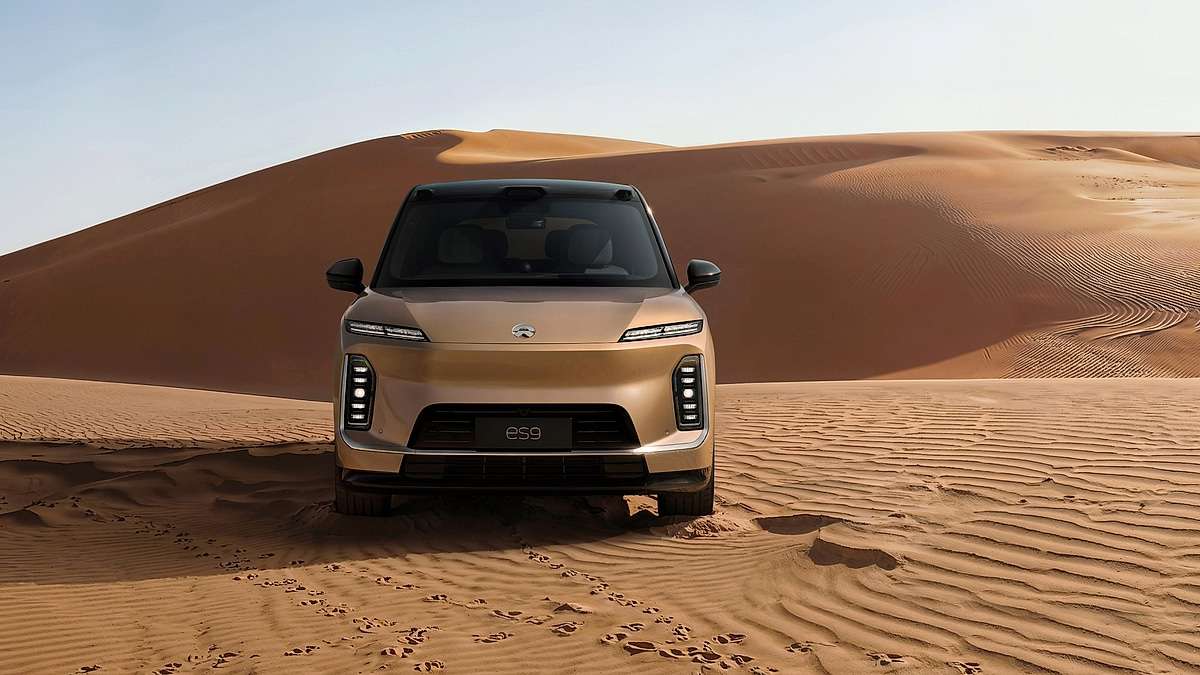

A Pennsylvania truck stop operator has created a U.S. naming problem for NIO's Onvo EV brand. Torque News checked the uploaded trademark research, TTABVue references, and Liberty Truck Center's ONVO registration record. The finding matters because Chinese EV companies looking toward America can be slowed by something far smaller than tariffs or politics: an American business with earlier trademark rights.
NIO created Onvo as a lower-cost EV brand below its main premium lineup. In China, the Onvo name is tied to vehicles such as the L60 and is meant to help NIO reach a broader audience.
In the United States, the name ran into Liberty Truck Center, Inc., doing business as Onvo. That is the useful part of the story. A truck stop operator in Pennsylvania is not the kind of opponent most EV watchers expect when they think about NIO's global expansion.
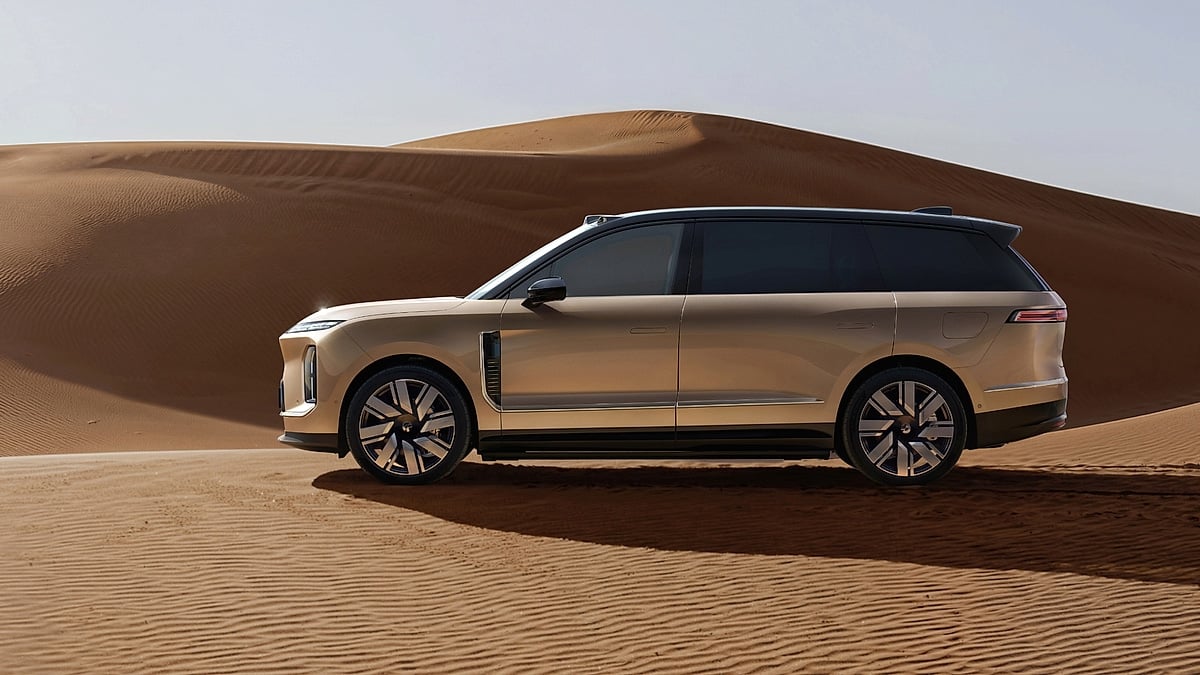
Yet the trademark record shows exactly why American market entry can become messy long before a vehicle reaches a port.
What Torque News Checked
I researched identifying Liberty Truck Center, Inc. d/b/a Onvo as the opponent in TTAB proceedings against NIO Co., Ltd. The research lists opposition numbers including 91286871, 91287169, and 91288221, and identifies NIO ONVO applications as abandoned after inter partes decisions.
Torque News also checked the Justia record for Liberty Truck Center's ONVO registration, number 6364493. That record lists ONVO as a registered mark owned by Liberty Truck Center, with first-use dates in 2020 and goods and services that include truck stop and travel-center related retail services, fuel-related services, convenience store items, bottled water, clothing, travel mugs, tote bags, and shower/restroom facilities.
That mix is important. Modern vehicle brands are no longer limited to metal and tires. EV companies often touch retail, charging, travel, software, service, energy, apparel, accessories, and owner communities. The more a vehicle brand becomes a lifestyle and services brand, the more likely it is to collide with marks outside traditional vehicle manufacturing.
This does not mean NIO cannot sell vehicles in the United States. It means ONVO, as a U.S. brand name, has a serious trademark problem.
That nuance should stay at the center of this. NIO is forced to confront a problem that every global EV brand has to solve.
Why should a car buyer care about that? Because names carry continuity
If an American buyer reads about a NIO Onvo L60 in China, then sees the same or related vehicle arrive in the United States under a different name, the buyer has to work harder. Which reviews apply? Are the specs comparable? Is the U.S. vehicle the same platform? Will software updates, parts, owner groups, and resale listings line up cleanly?
Those questions are not legal trivia. They affect how buyers evaluate a new brand.
The Onvo case is also a reminder that U.S. trademark conflicts do not always look intuitive from outside the system. A major Chinese EV company can have global ambition, a finished product, and a strong domestic brand. That does not erase the rights of an American company already using a similar mark in ways that may overlap with travel, mobility, services, or retail.
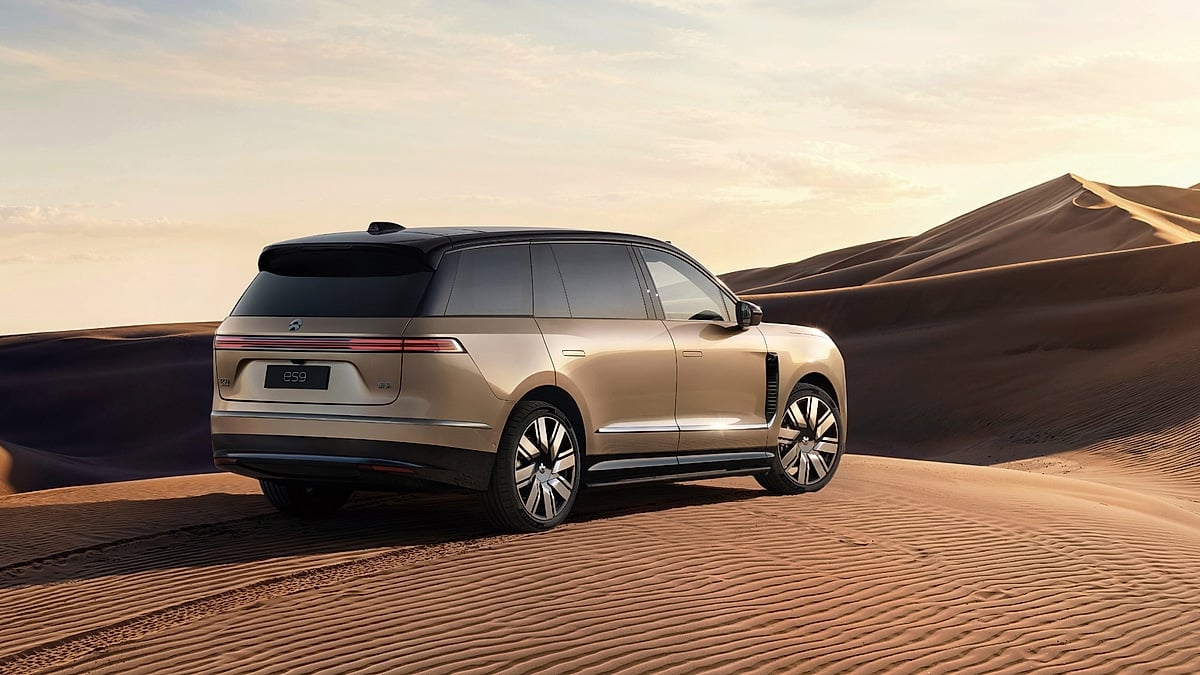
For a legacy automaker, this kind of conflict is annoying. For a new entrant, it can be more damaging. A young brand has less recognition to fall back on. If NIO cannot use Onvo here, it has to teach Americans a replacement name while the rest of the world may already be discussing the vehicle under a different badge.
That is expensive in a way that does not show up on a spec sheet
The BMW and BYD M9 dispute shows one version of the problem: a Chinese automaker collides with an iconic Western automotive sub-brand. The NIO Onvo dispute shows another version: a small U.S. business with earlier rights can create just as much friction.
Together, the records suggest a broader market-entry problem. Chinese EV brands may have the product and the scale, but America already has a crowded naming landscape. Some names are owned by automakers. Others are owned by service businesses, travel centers, parts companies, retailers, software firms, or local operators that happened to get there first.
That can change what Americans eventually see. A vehicle that is recognizable in China may arrive here under a different name, or a brand may have to rebuild awareness from scratch. For early adopters, that makes comparison shopping harder. For used buyers, it can muddy search results and long-term model identity.
The practical takeaway is simple: if NIO ever brings Onvo vehicles to America, watch the name as closely as the range, price, and charging specs. The U.S. badge may tell us how much of NIO's global strategy survived the American trademark system.
A Pennsylvania truck stop did not decide whether NIO can build a good EV. It did expose how fragile a global EV name can be once it enters the United States.
If NIO brought the same vehicle to America under a different name, would that hurt your trust in it, or would price and specs matter more? Tell us whether global name consistency affects how you judge a new EV brand.
Images from Nio Media Center
About The Author
Noah Washington is an automotive journalist based in Atlanta, Georgia, covering sports cars, luxury vehicles, and performance culture. His reporting focuses on explaining the engineering, design philosophy, and real-world ownership experience behind modern vehicles.
Noah has been immersed in the automotive world since his early teens, attending industry events and following the enthusiast communities that shape how cars are built and driven today. His work blends industry insight with enthusiastic storytelling, helping readers understand not just what a car is, but why it matters.
Noah is also a member of the Southeast Automotive Media Association (SAMA), a professional organization for automotive journalists and industry media in the Southeast.
His coverage regularly explores sports cars, luxury vehicles, and performance-driven segments of the automotive industry, including the evolving culture surrounding Formula Drift and enthusiast builds.
Read more of Noah's work on his author profile page.
You can also follow Noah here:
Set Torque News as Preferred Source on Google
Follow us today...