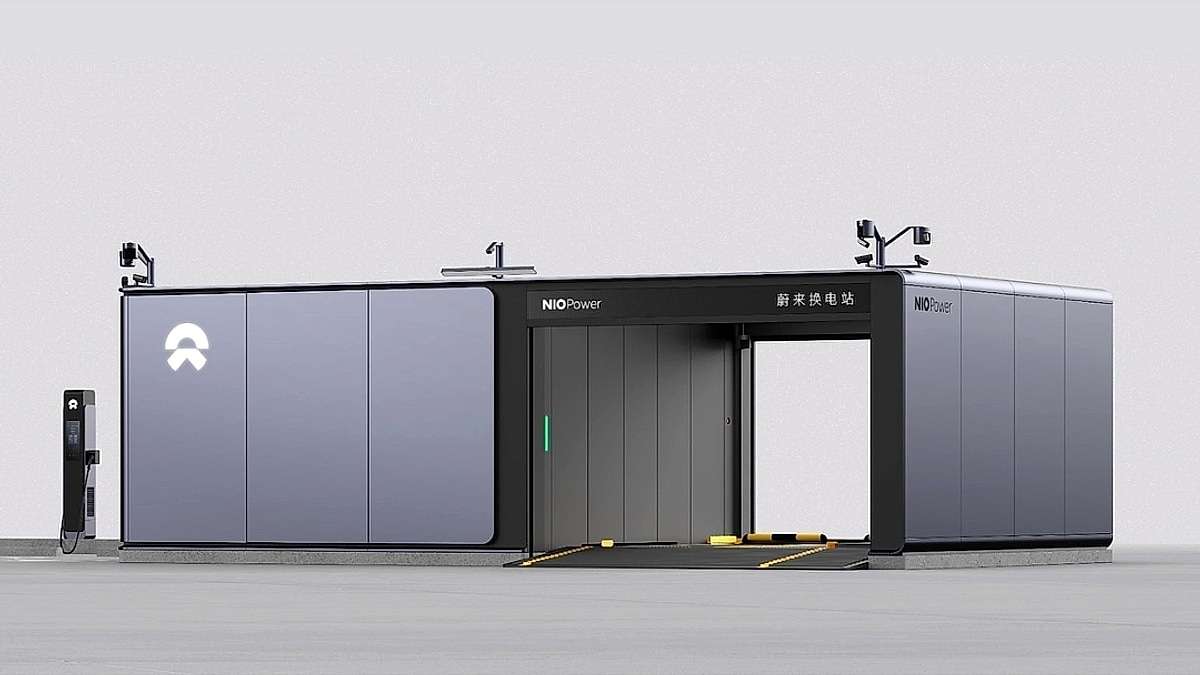

The automotive landscape is undergoing a transformation as profound as the transition from the horse and carriage to the internal combustion engine. While headlines are often dominated by flashy self-driving promises or the latest aesthetic redesigns, a much more consequential shift is happening beneath the surface. It is a fundamental restructuring of how we power, maintain, and sustain our vehicles. The partnership between NIO and CATL is the catalyst for this change, and it is a development that demands our full attention.
A Paradigm Shift in Mobility
For years, the electric vehicle industry has been obsessed with one metric: how much range can a car get on a single charge. This focus has led to a race to pack more, larger, and heavier batteries into vehicle chassis. Yet, this approach ignores the broader logistical and economic reality of energy management. By prioritizing battery swapping infrastructure development as a core pillar of their strategy, NIO and CATL are shifting the conversation from a singular focus on "more range" to "more utility."
This is not just about convenience. It is about rethinking the very lifecycle of a battery. Historically, the battery was viewed as a permanent, depreciating asset tied to the vehicle. If the battery degraded, the vehicle lost value. By moving toward a model where batteries are modular, swappable, and managed as a shared resource, the industry is effectively decoupling the vehicle from the energy storage system. This is a game changer for the future of electric vehicles
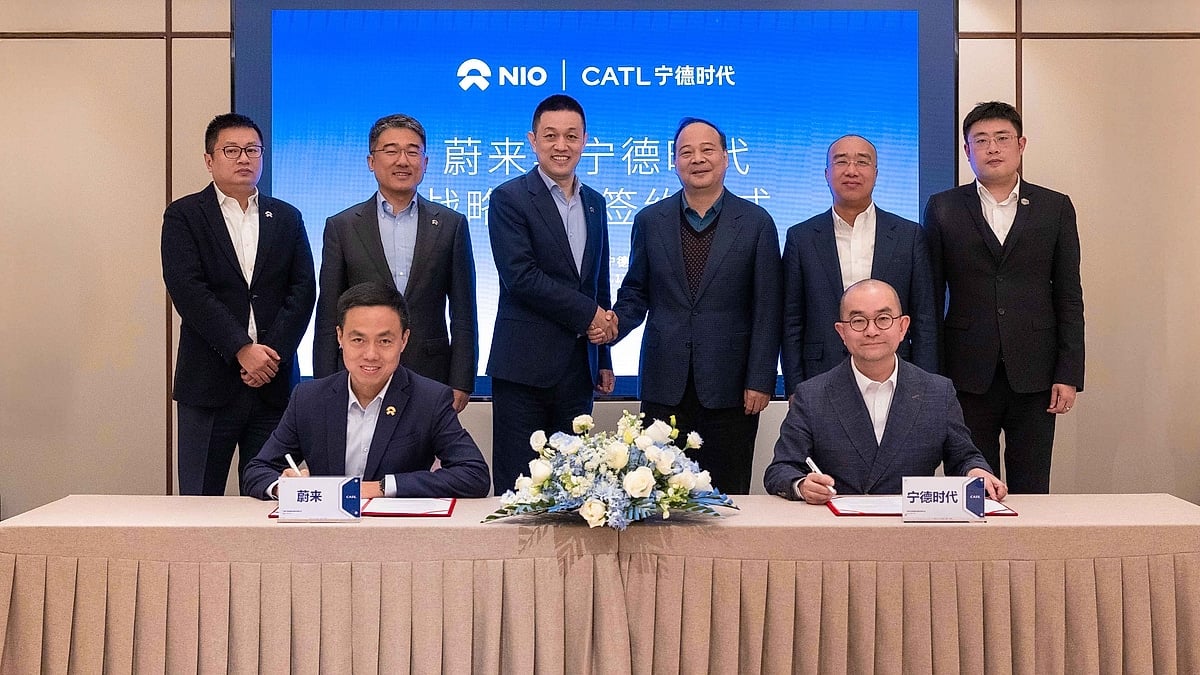
Why the NIO and CATL Alliance Matters
When we look at the strategic partnership between NIO and the global battery giant CATL, we are witnessing the formation of a unified standard for the industry. In the early days of any technology, fragmentation is the enemy of progress. Just as the lack of universal charging standards once hampered early EV adoption, the lack of standardized battery dimensions and swapping interfaces has historically kept swapping technology isolated.
NIO and CATL are collaborating closely on technology, capital, and long-life battery R&D to build the world’s largest swapping network. Crucially, NIO is maintaining and scaling its own robust, high-performance battery swapping ecosystem. NIO’s upcoming Firefly brand vehicles are being engineered to integrate directly into NIO’s own advanced battery swap stations, which are specifically designed to support diverse, high-performance battery packs across NIO's three-brand matrix. This partnership is the "gas station" moment for the electric era: NIO is scaling its network to provide a consistent, high-performance experience, while working with CATL to promote broader national battery standardization
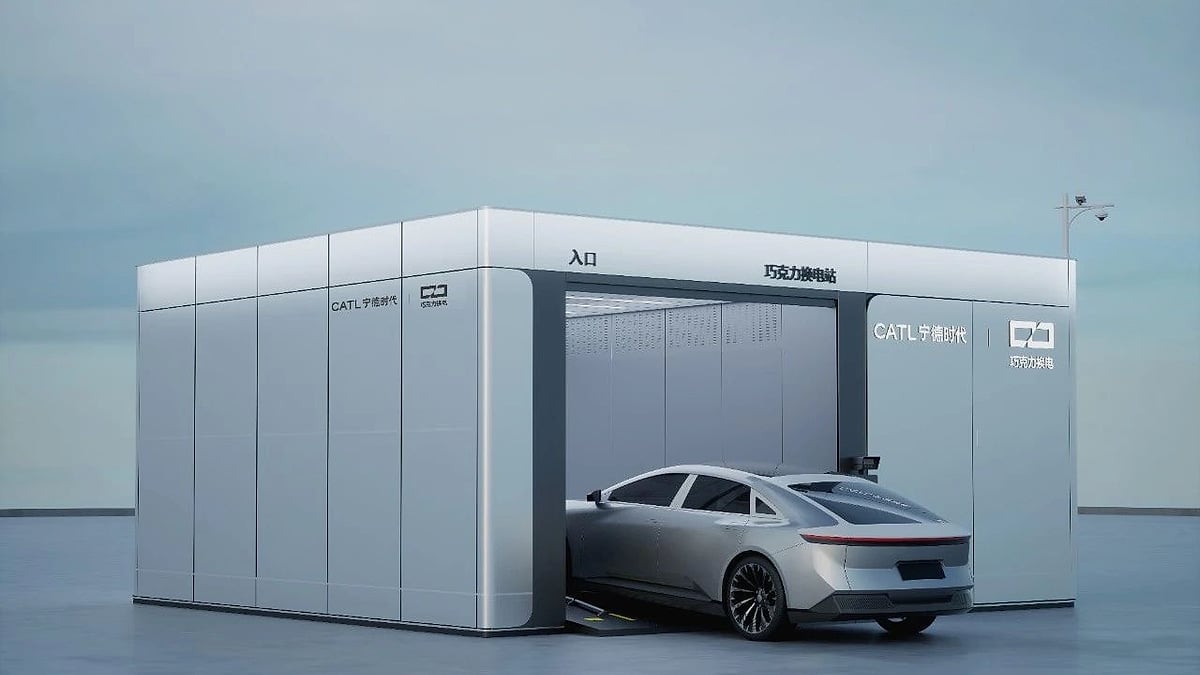
Proving the Model at Scale
There is often a lingering skepticism among observers regarding the long-term viability of battery swapping. Critics often point to the failed experiments of the past, but those comparisons fail to account for the massive scale and operational success of NIO in China today.
NIO has proven that the logistics of a swapping network can be managed at a massive, profitable, and reliable scale. The company has officially surpassed 100 million cumulative battery swaps, with stations averaging 40 to 45 swaps per day during peak hours. As of mid-2026, NIO has successfully constructed nearly 4,000 battery swap stations, with an ambitious goal to push that total beyond 4,600 by the end of this year. The integration with CATL adds a level of manufacturing and resource management expertise that provides the necessary backbone to sustain this network for millions of users across diverse vehicle classes.
The Environmental and Economic Multiplier
Beyond the convenience for the driver, the environmental impact of this model is significant. A centralized, managed swapping network allows for optimized battery health. Batteries are charged in controlled, grid-balanced environments, which avoids the degradation associated with frequent, high-power ultra-fast charging.
Furthermore, at the end of their useful life for vehicle propulsion, these batteries are already in a centralized system, making them significantly easier to recycle or repurpose for grid storage. This creates a circular economy that is currently impossible with a distributed, plug-in based fleet. The battery is no longer a waste problem waiting to happen; it is a continuously managed, high-value asset that moves from the road to the grid and eventually into high-quality, closed-loop recycling.
Looking Beyond the Noise
If we only look at the quarterly sales figures or the newest screens added to a dashboard, we miss the underlying structural change that will dictate the next thirty years of transportation. The focus on scaling battery swap technology is the foundation of a new energy economy.
When you strip away the marketing, the reality is that we are witnessing the industrialization of "energy as a service." It is a move away from the clunky, time-intensive, and inefficient practices of early EV infrastructure toward a streamlined, modular, and highly efficient system. By continuing to build out its proprietary network while partnering with industry giants like CATL on standards, NIO is proving that battery swapping is a scalable platform for the entire mass market.
We are watching history in the making. While the mainstream media focuses on the latest software update, the real story is the silent, efficient, and incredibly rapid transformation of the global energy grid, one swap at a time. It is a story of collaboration, standardization, and a clear vision for a sustainable future that is finally coming to fruition at scale.
After considering how this modular, swappable battery ecosystem could fundamentally change the way we own and drive cars, I am curious to hear your take. Do you think that battery swapping is the true path to universal EV adoption, or are you still convinced that fast charging will eventually win the day? What do you think about the potential for these standardized battery modules to lower entry costs for drivers, and do you believe this alliance will finally move the needle for global adoption?
Please comment below!
Return tomorrow, or check our Torque News Home Page Torque News Home Page for more interesting automotive news articles
About The Author
Marc Beresford, known as Nio Admirer on X, is an automotive enthusiast with a strong interest in NIO and its vehicles. Marc regularly shares NIO and EV news, updates, and analysis about the company across X, LinkedIn, and YouTube, with a focus on delivering clear and timely information to followers. Marc has been closely following NIO since 2020.
Set Torque News as Preferred Source on Google
Follow us today...