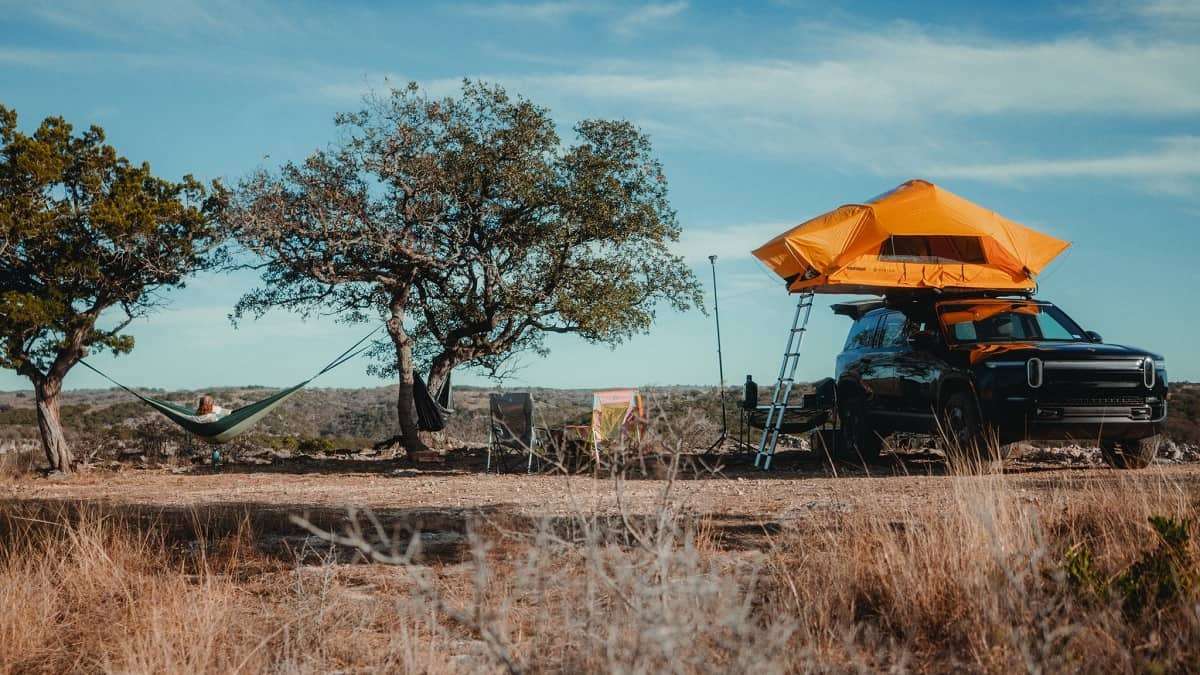

As EVs replace traditional trucks and SUVs, we are seeing a lot of posts about how they add enjoyment and convenience to camping that gas powered vehicles simply cannot deliver. The list is long and it’s been fun to watch the creative ways that folks are upgrading their EVs for wilderness use. Here’s a great post on the r/Rivian subreddit by 5C4MM3R:
“I went camping with my dad this weekend in the Collegiate Peaks Wilderness and, as always, I had a blast as the Rivian R1S just makes the logistics of the trip(s) so easy, ultimately allowing us to focus on the fun stuff.
As a bit of background, my dad is a recently retired hardware and software engineer and somebody who has been interested in tech his whole life. He has been interested in EVs for a while and pays attention to news articles and such that come out in the space. This was my dad’s first "real" off-roading trip in the Rivian.
My Dad looked over at me, shakes his head and says, ‘Rivian should fire their marketing department!’ This was completely out of the blue. Confused about the sudden outburst I ask him ‘Why do you say that?’ He then shakes his head and says, ‘because I never knew that that car was such an off-roading beast. It just climbed over everything and didn't even break a sweat! This whole time I just was led to believe the Rivian was just another EV.’
Last year, I went with a couple friends (with offroad-modified jeep and bronco) and drove the Alpine Loop in the San Juans and was getting similar reactions from just about everybody I came across.”
DrFiveLittleMonkeys added:
“I agree with your dad. Every time we go camping (and that’s a lot), and pop up our roof top tent, we get questions and interest. People are super interested and then flabbergasted when we tell them, ‘Oh, and it can tow 13k pounds and go 0-60mph in 3 seconds.’”
On another r/Rivian subreddit post, ChargeSetGo posted:
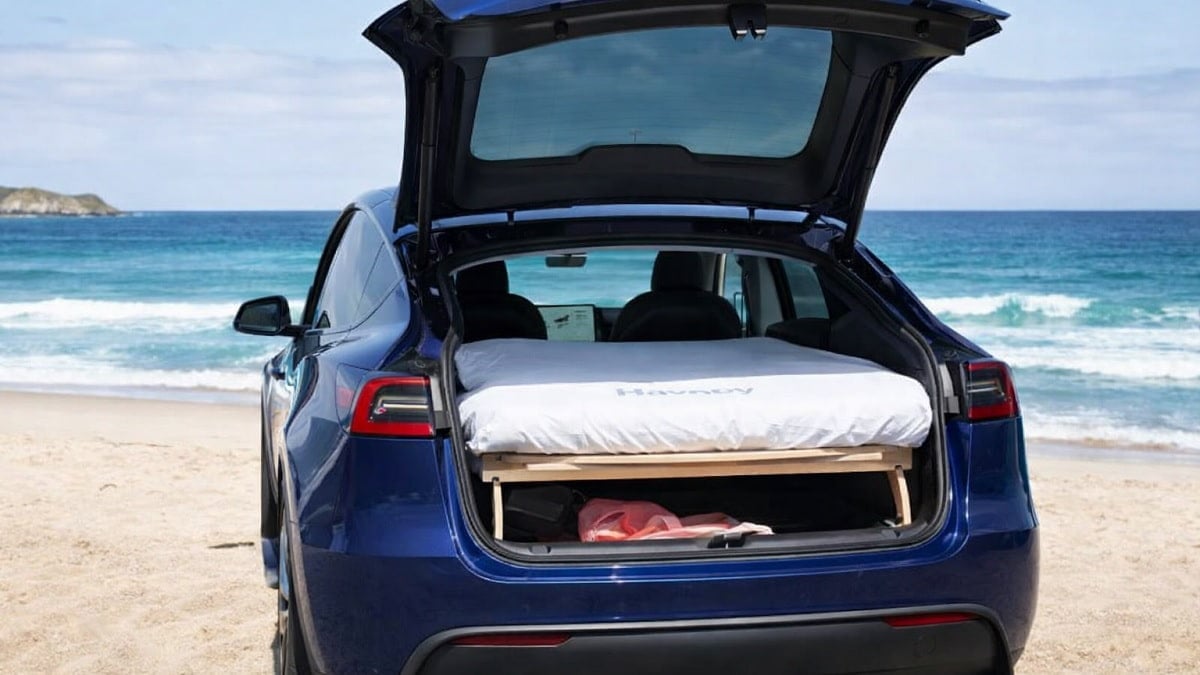
“Our biggest reasons for buying the R1S was to bring it camping and sleeping inside the cabin. We've been on 5 camping trips so far and I have to say we've accomplished just that!
Here are some features in the R1S that just makes sense for camping:
- Power and Outlets: are a gamechanger in various ways. No more cooking with propane, making sure devices are charged, bringing enough portable batteries. We can just pick anywhere and go without too much prep.
- Camp Mode: Everything in camp mode helps with camping, but most importantly Level SUV function. We are no longer restricted with the location, or the condition of the campsite. We can't live without it!
- Flashlight and Camp Speaker: I was definitely in the "this is cool but doesn't seem useful" camp before picking up the R1S. I can talk about their specific uses, but in my opinion the best part about these accessories is that they are always available when you need them.
- Hotspot: Perfect whenever our phone doesn't get service.
Driver+: helps a lot with reducing fatigue on the freeway.”
Silent Power Versus a Noisy/Smelly Generator
Camping with an EV definitely creates a more peaceful connection with nature. Instead of packing a generator or juggling battery packs, the vehicle itself becomes the power source. Built in outlets can run lights, a fridge, a coffee maker, camera gear, or even an induction cooktop. The power is quiet and clean, which means no fumes, no fuel cans, and no worrying about a generator sputtering out in the middle of the night, or causing a fire.
The quiet nature of EVs changes the atmosphere at a campsite. Without an engine running or a generator humming, the space feels calmer, especially at night. Conversations are easier, sleep comes faster, and nearby campers appreciate the lack of noise. The overall experience feels closer to nature, even when modern comforts are in use.
Not Too Hot and Not Too Cold
Climate control is another major advantage. Many EVs can maintain heat or air conditioning for hours while parked, which makes sleeping in the vehicle far more comfortable. Cold mornings feel easier when you can wake up warm, and hot/humid southern nights are manageable without cracked windows or noisy fans. Because of the efficient heat pumps in many EVs, there is no engine idling, no exhaust smell, and no mechanical engine wear from running the vehicle just to stay comfortable.
Bringing Your Kitchen
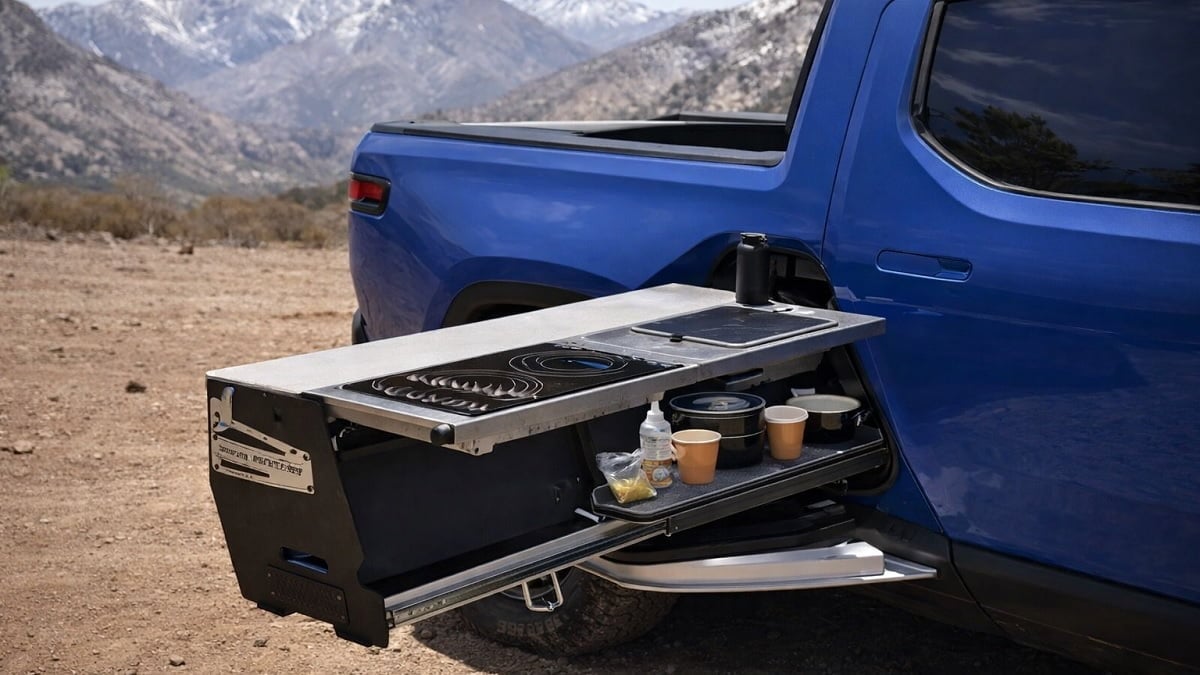
EVs also make camp kitchens simpler and more organized. Some vehicles are designed with camping in mind, like the Rivian travel kitchen, which owners often use for slide out kitchen setups with stoves and cooking gear. Keeping food prep equipment outside the cabin and at waist height makes cooking faster and less messy. It feels more like opening a drawer than unloading a pile of bins.
Reliable Power
Reliable onboard power also opens the door to small comforts that are hard to justify with an ICE vehicle. Electric blankets, kettles, air pumps, and tool chargers can run without hesitation. Devices stay charged, lights stay on, and there is no constant mental math about conserving electricity. Camping starts to feel less like roughing it and more like settling into a temporary home.
Bottom Line
Although EV offer a lot of advantages when wilderness camping, there are still tradeoffs to consider. Cold weather, elevation changes, and long distances can reduce range, and remote areas require more planning around charging. Even with that extra planning, many campers find that the comfort, silence, and built in power of an EV make it hard to imagine going back to a traditional gas vehicle.
The Rivian R1T
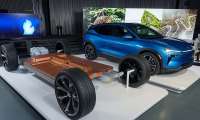
The Rivian R1T is an all electric pickup that blends real off road capability with everyday usability. It launched in 2021 and quickly stood out for its adventure focused design, strong performance, and thoughtful details like the gear tunnel and built in power outlets. What truly sets the Rivian R1T apart from other EVs is its skateboard platform and chassis, which were engineered from the start for off road use, with features like adjustable air suspension, excellent ground clearance, and strong underbody protection. Pricing typically starts in the low to mid $70,000 range depending on configuration. The R1T is sold as a four-door midsize pickup, while Rivian also offers the closely related R1S SUV for buyers who want a similar platform in a different body style.
What Do You Think?
If you’ve camped in both an EV and a gas vehicle, what was the biggest difference you noticed right away?
For Rivian owners, which feature has made the biggest impact on your camping trips, camp mode, onboard power, or storage like the gear tunnel?
Chris Johnston is the author of SAE’s comprehensive book on electric vehicles, "The Arrival of The Electric Car." His coverage on Torque News focuses on electric vehicles. Chris has decades of product management experience in telematics, mobile computing, and wireless communications. Chris has a B.S. in electrical engineering from Purdue University and an MBA. He lives in Seattle. When not working, Chris enjoys restoring classic wooden boats, open water swimming, cycling and flying (as a private pilot). You can connect with Chris on LinkedIn and follow his work on X at ChrisJohnstonEV.
Photo credit: Vince Carrasco (with permission), Provided by author
Set Torque News as Preferred Source on Google
Follow us today...