
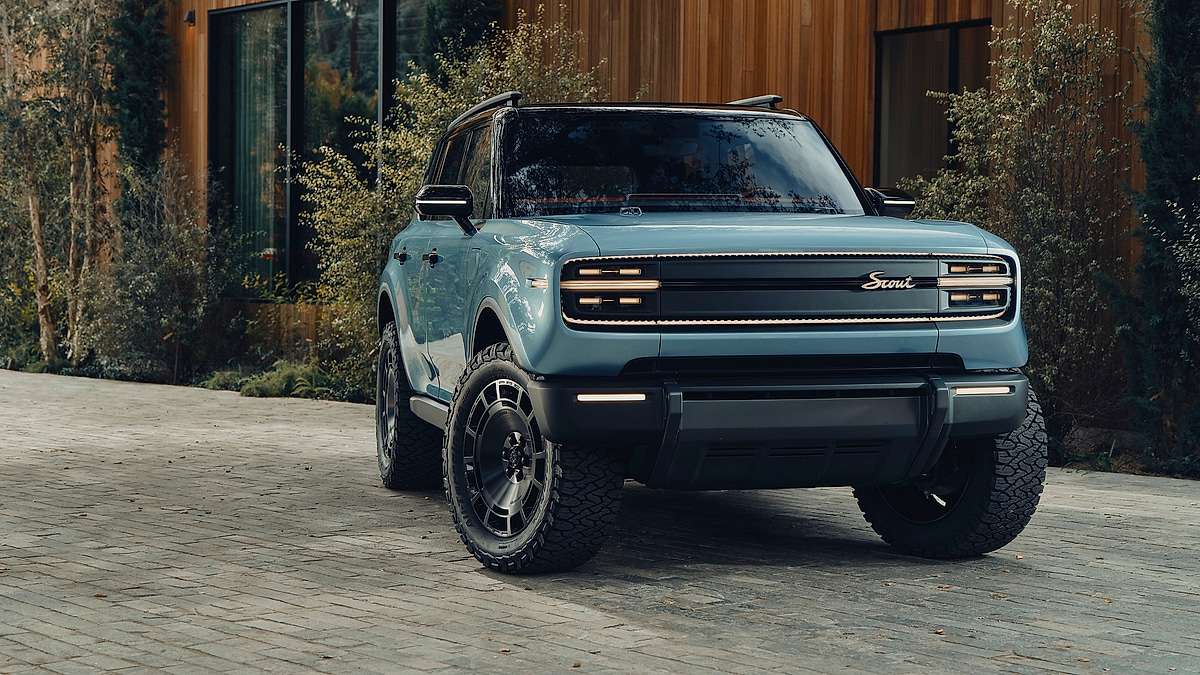

Scout’s production delay is being treated like an engineering headache. It is that, but only partly. The more important story is that the delay looks like a sign Volkswagen is buying time, stretching spending, and trying to keep a politically useful factory project alive while the economics around EVs, tariffs, and product development get harder. The Traveler SUV is now reportedly forecast for September 2028, while the Terra pickup is pushed to March 2030, years later than the brand’s original timeline.
On the surface, the explanation is straightforward. Scout has serious technical problems to solve. The range-extender Harvester powertrain is reportedly creating engineering trouble, including heat issues and a reduction in towing capacity. Software and hardware integration around the internal combustion generator has also become a problem, while the South Carolina factory remains behind the original production schedule. Those are not small delays or routine launch hiccups. They are the kind of problems that can force a program to slow down, whether management wants it to or not.
Jalopnik’s report makes the delay look bigger than a routine launch slip because the problems are not isolated. The same reporting points to thermal issues in the Harvester range-extender setup, reduced towing capacity for EREV models, software integration strain, and a factory timeline that is no longer clean. When delays start stacking across engineering, manufacturing, and product planning at the same time, they stop looking like bad luck and start looking like a program under real pressure.
Scout Motors: Production and Engineering Delays
Volkswagen’s Scout revival is facing significant timeline shifts. The Traveler SUV is now expected in September 2028, while the Terra pickup has reportedly slipped to March 2030.
- Per Jalopnik, the "Harvester" range-extender (EREV) powertrain is experiencing thermal management issues. Testing has revealed temperatures exceeding 200 degrees Celsius under the cargo floor, creating packaging difficulties for the intake and exhaust systems.
- The engineering hurdles have impacted performance specifications. The EREV versions are currently projected to have a 5,000-pound towing capacity, which is half of the 10,000-pound rating targeted for the full battery-electric models.
- Despite technical setbacks, 87% of the 160,000 reservations are for the EREV powertrain. Because the VW-Rivian software partnership focuses on full EV architecture, Scout must develop the EREV software stack independently, adding further complexity to the launch.
That pressure matters because Scout is not being sold as a niche experiment. It is being positioned as Volkswagen’s American revival story, built around simple-looking trucks, usable range, and a powertrain mix meant to bridge EV skepticism. If the most popular configuration is also the one creating the most engineering trouble, the delay is no longer just about timing. It becomes a question of whether the business case actually holds together.
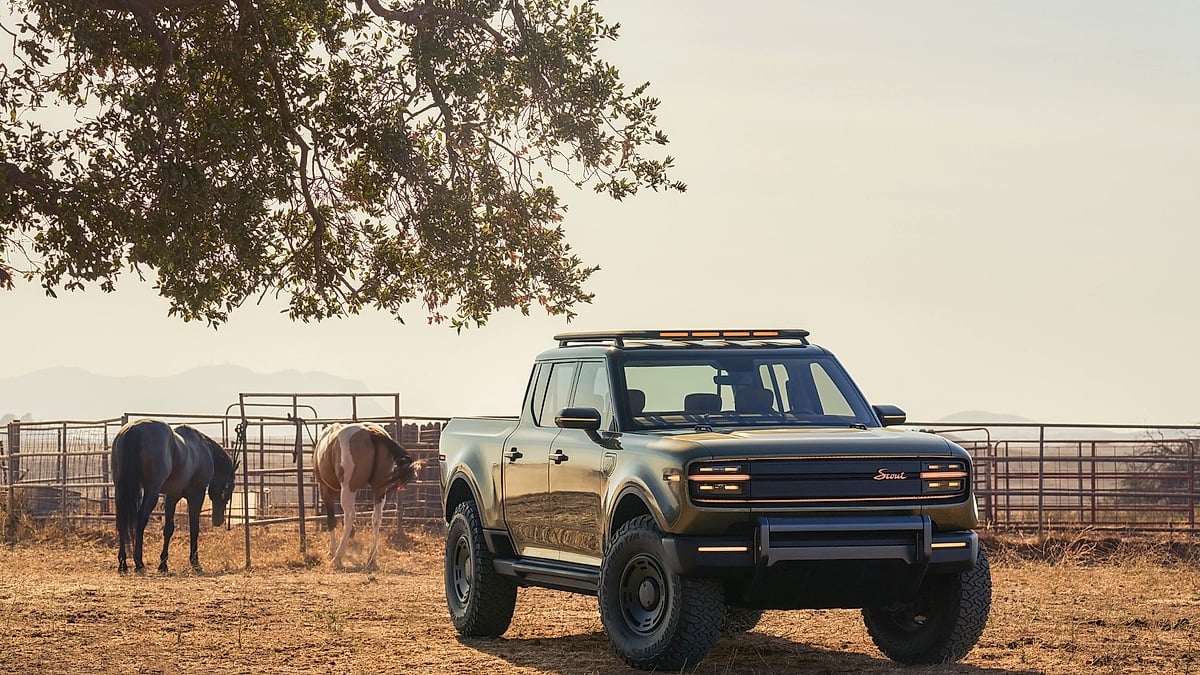
The Harvester powertrain itself looks like a major source of that strain. The reported engineering issue is not simply that the range extender needs calibration work. The architecture appears to be fighting the vehicle. The four-cylinder generator setup is described as creating excessive heat under the cargo floor, with one summary citing temperatures above 200 degrees Celsius in that area during testing. The same material says the engine placement is contributing to intake and exhaust packaging issues and helping drive towing capacity down to 5,000 pounds for EREV versions, versus 10,000 pounds for the full EV models. That is not a polishing issue. That sounds like a layout problem with real consequences.
The software side is no cleaner. Volkswagen’s technology alliance with Rivian reportedly covers EV architecture, not the EREV setup Scout is trying to bring to market. That means the very system that a huge number of reservation holders appear to want, the Harvester, has to be supported by software Volkswagen is developing on its own. The same material says that the gap has become a major technical hurdle. That makes the delay more understandable, but it also makes the program look more improvised. Scout sold a vision of rugged simplicity, yet under the surface, the company may be wrestling with a powertrain and software stack that were never as settled as the marketing suggested.
That matters because customer demand seems heavily skewed toward the very configuration causing the most trouble. The material says 87 percent or more than 160,000 reservations are for the EREV Harvester powertrain. That is the heart of the business case. It is also the heart of the engineering risk. If the most popular version is the hardest one to package, cool, calibrate, and certify, then the delay is not a side story. It goes directly to whether Scout’s demand can actually be converted into a viable product line without blowing up cost, capability, or timing.
The market context makes the delay more dangerous. The original appeal of Scout was that it arrived as an old American name reborn for a new era, with honest-looking trucks, usable range, and an EREV option for people not ready to trust charging infrastructure alone. But by the time the Traveler and Terra finally reach the market, the specs that once looked competitive may already feel dated. The reviewed material notes that Scout’s targeted 350-mile EV range and 500-mile EREV range could look soft against rivals that are already matching or beating those numbers. By 2028 and 2030, Scout may not be entering an open lane. It may be entering a crowded fight after spending years burning goodwill.
That is why this is not a normal “car programs get delayed” story. The gap between public optimism and internal strain is getting harder to ignore. Scott Keogh has continued to insist production starts in 2027 with deliveries in 2028, while outside forecasts now point much later, especially for the Terra. That kind of split matters because once timelines drift this far, credibility becomes part of the product story. Reservation holders are no longer simply waiting for a vehicle. They are being asked to keep believing in one.
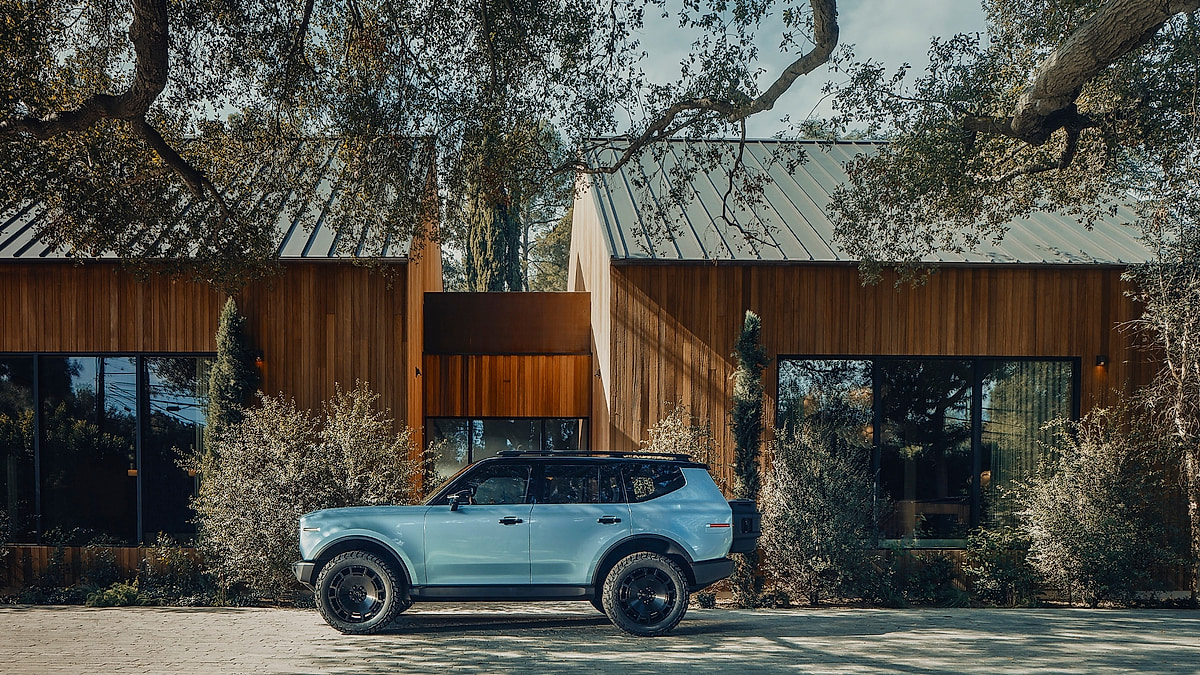
This is why the Scout delay matters beyond the calendar. A revived nameplate can survive a late launch. What it cannot absorb as easily is a widening gap between promise and deliverable, especially when the most popular version appears to be the hardest one to finish properly. The question now is not whether Scout can tell a compelling story. It is whether Volkswagen can turn that story into a product before the market and the economics behind it, move on.
Image Sources: Scout Media Center
About The Author
Noah Washington is an automotive journalist based in Atlanta, Georgia, covering sports cars, luxury vehicles, and performance culture. His reporting focuses on explaining the engineering, design philosophy, and real-world ownership experience behind modern vehicles.
Noah has been immersed in the automotive world since his early teens, attending industry events and following the enthusiast communities that shape how cars are built and driven today. His work blends industry insight with enthusiastic storytelling, helping readers understand not just what a car is, but why it matters.
Noah is also a member of the Southeast Automotive Media Association (SAMA), a professional organization for automotive journalists and industry media in the Southeast.
His coverage regularly explores sports cars, luxury vehicles, and performance-driven segments of the automotive industry, including the evolving culture surrounding Formula Drift and enthusiast builds.
Read more of Noah's work on his author profile page.
You can also follow Noah here:
Set Torque News as Preferred Source on Google
Follow us today...






