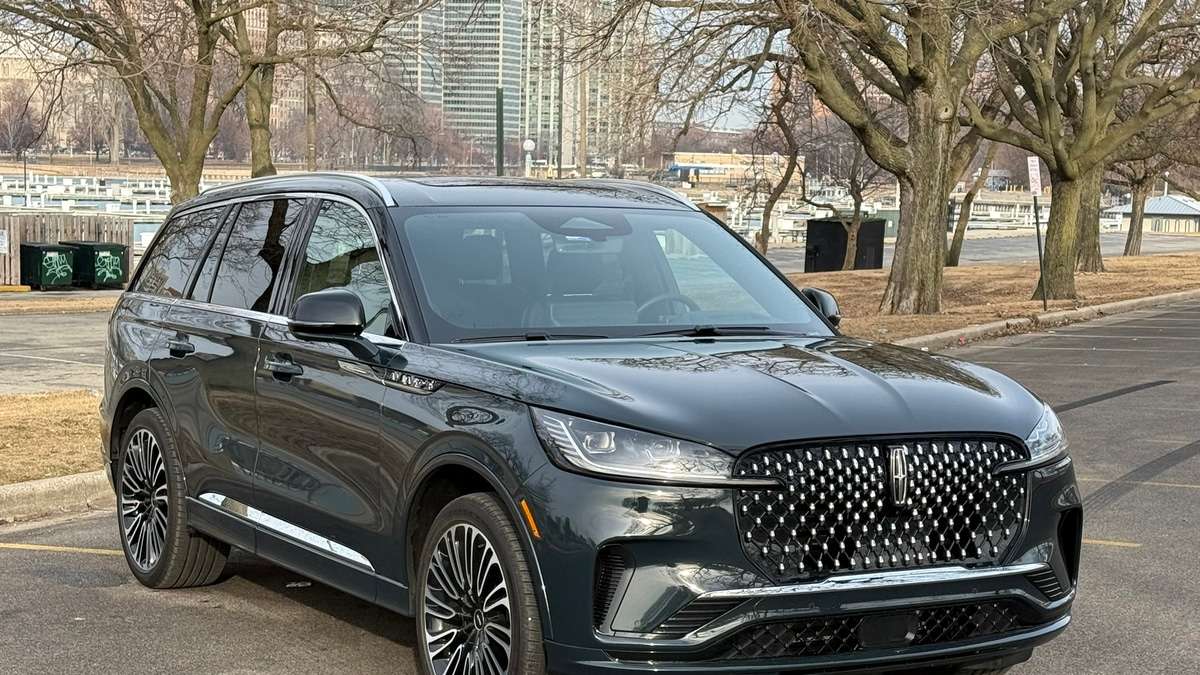

Lincoln once seemed a forgotten luxury brand, but unlike cross-town Cadillac, which has been hit or miss, the American icon has struck back with solid product.
The product blitz actually began some time ago, but a confusing naming scheme and interiors that were too close to “lesser” Ford models held Lincoln back - some models had stylish exteriors and competitive driving dynamics but couldn’t overcome the flaws.
The brand went to work, getting rid of alphanumeric naming, dropping down to four models, and working on distinctive interior schemes that look comparatively upscale to Ford.
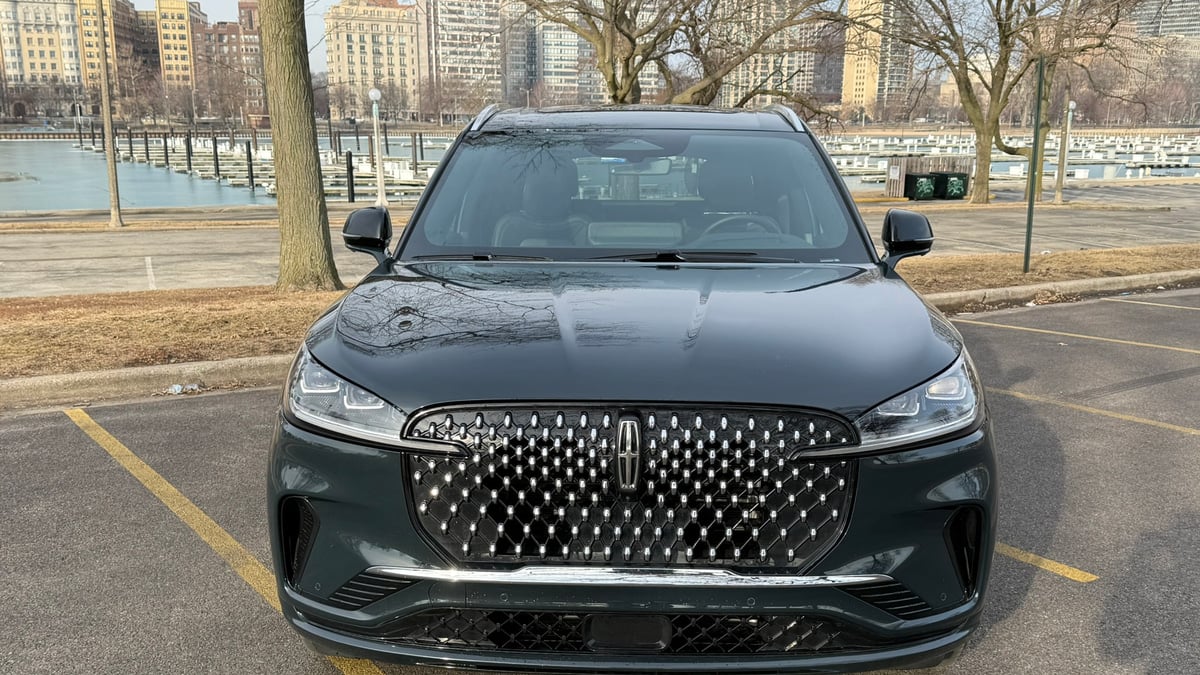
How The Aviator Fits In the Lincoln Family
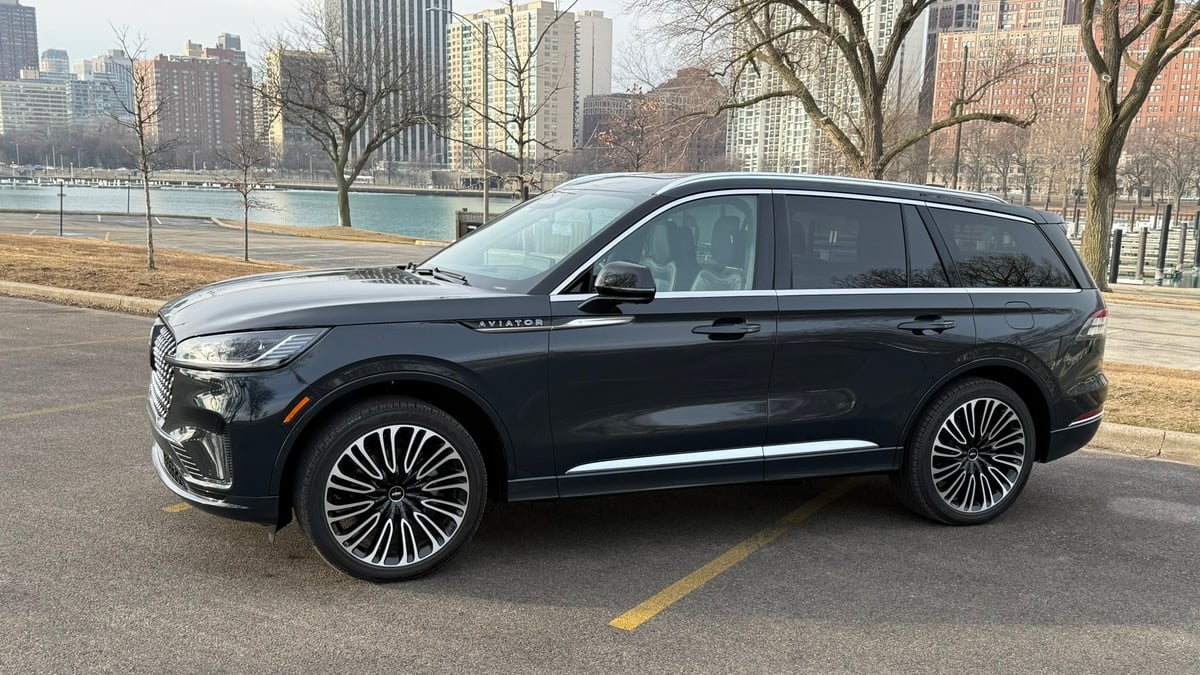
The Lincoln lineup is simple. There’s the compact Corsair (which is technically dead, for now, though inventory may be out there), the mid-size Nautilus, the large Aviator and extra-large Navigator. They all correspond to a Ford - Corsair with the Escape (also dead/dying)/Bronco Sport (very much not dying), Nautilus also with the Escape, Aviator with Explorer, and Navigator with Expedition.
Yet, unlike in days of old, they look and feel different enough to justify the higher purchase price.
Not long ago, I’d test a Lincoln and be impressed with the exterior duds, but I’d notice that the interior looked too much like the Ford upon which the car was based. And that might have been excusable if the interior materials felt upscale, but they often didn’t. Toyota knew how to make Lexus buyers feel good even when style copied the Toyota platform mates. Lincoln struggled with that.
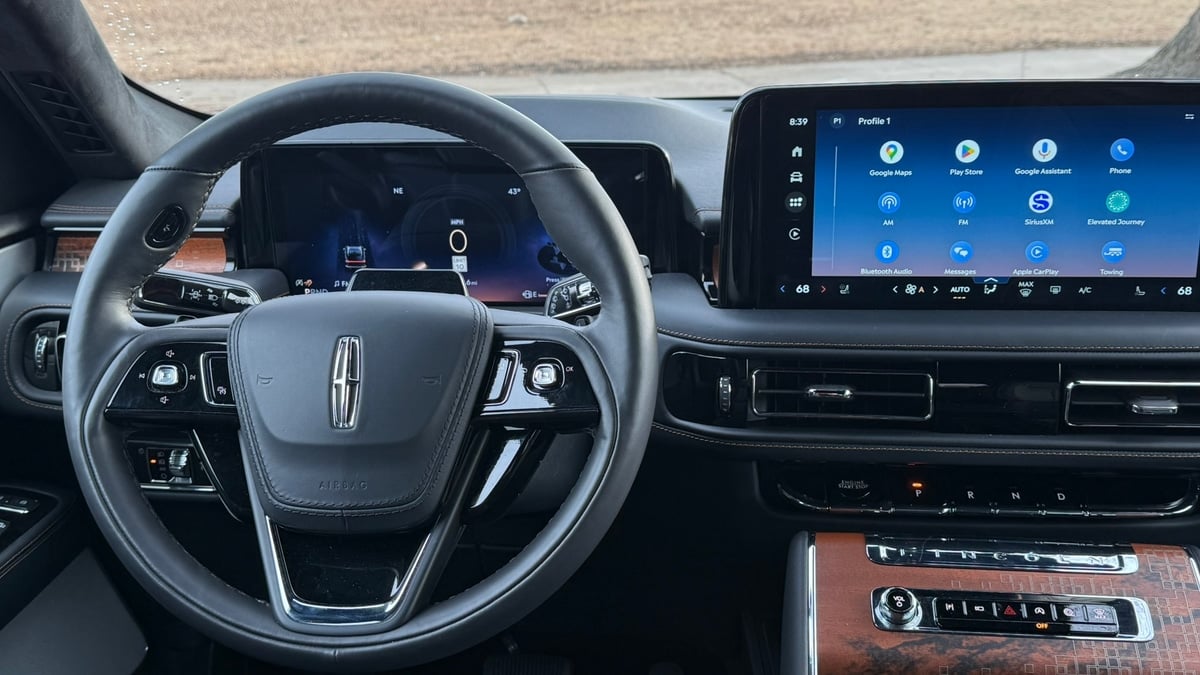
Screens have been the answer, for better or for worse. The Aviator doesn’t make as much use of screens as some other Lincoln product, stopping with the now bog-standard digital gauge cluster and large infotainment screen.
Lincoln has tried to be clever with the use of buttons and knobs here - the shifter itself is a push-button setup located below the infotainment screen. Key buttons sit atop the front of the console, and the steering wheel has two directional controllers that can be used to flip through and customize menus in the gauge cluster. It generally works well and Ford’s current infotainment system is fairly user friendly, though I used Apple CarPlay a lot during my time with this rig, as I often do with test vehicles.
Space is the name of the game in something this large - well, space and comfort. And the Aviator mostly shines here. Freeway slogs were nice and comfortable, thanks to a compliant ride. Unfortunately, compliance occasionally lead to softness, and the frame itself could also use a little stiffening, as well.
At least the seats were all-day comfortable and there was no shortage of head- or legroom. Even the rear is accessible for adults, though the third row will be a tad iffy.
Having a lot of space to work with can be a double-edged sword - parking this bad boy in an urban area is a challenge, and I had to pass up some spots because it simply wouldn’t fit.
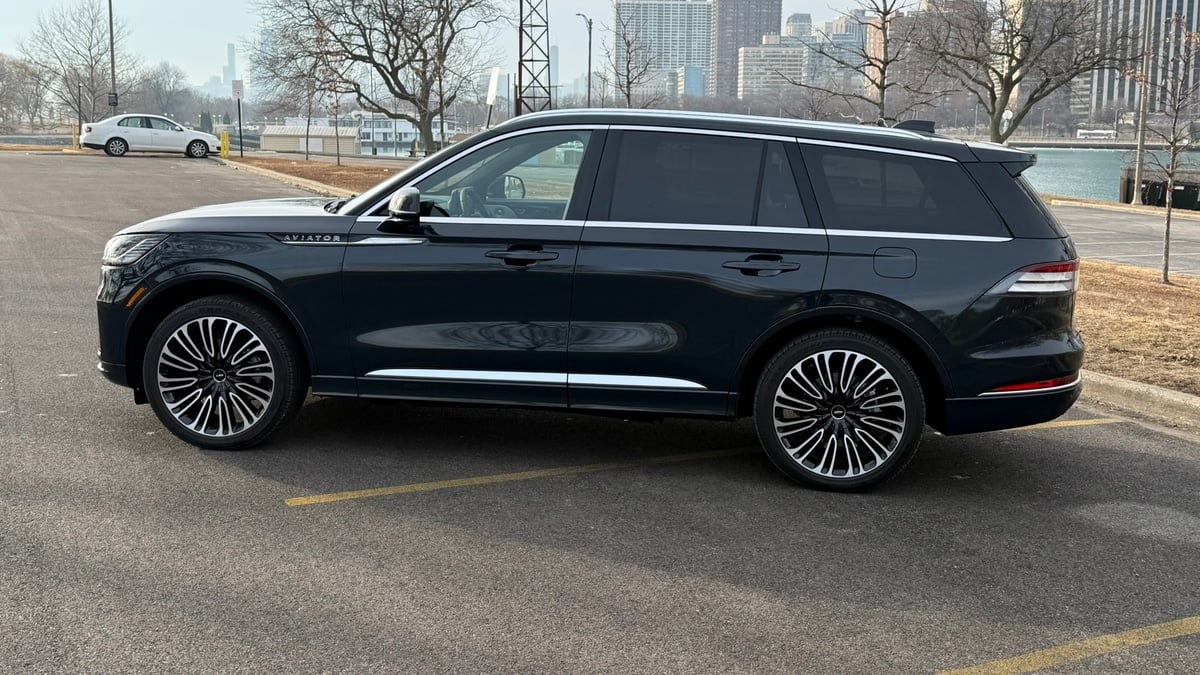
Quiet refinement is always a goal with luxury vehicles, and the Aviator mostly shuts out the outside world, though the 3.0-liter twin-turbocharged V6 starts to rumble when the throttle is planted. With 400 horsepower and 415 lb-ft of torque, the engine doesn’t lack for grunt, but the heavy Aviator doesn’t exactly launch off the line. You’ll be fine for most maneuvering, but passing and merging might take a bit of planning. The towing capacity is 5,000 pounds, and the 10-speed automatic transmission is mostly smooth, though some rough shifts under load occurred. All-wheel drive is a standard part of the deal with this one.
Fuel economy is listed at 17 mpg city/25 mpg highway/20 mpg combined.
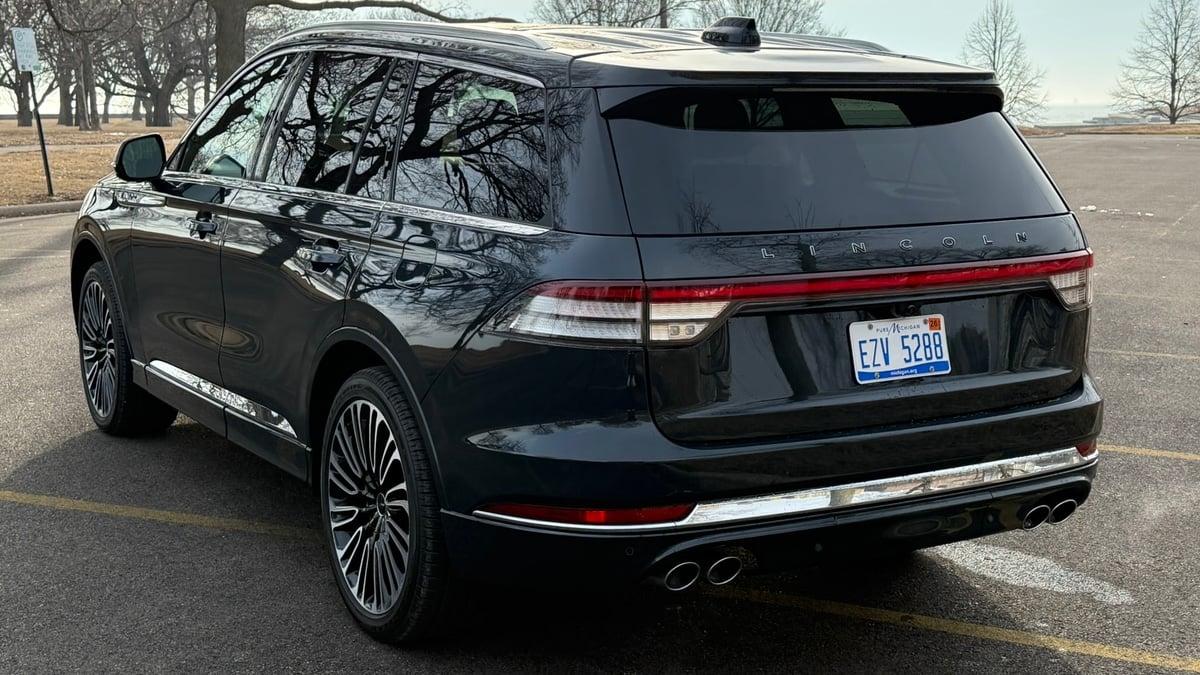
What Choosing The Black Label Gets You
Normally I get a Monroney label - that’s “window sticker” to the uninitiated - with my test cars, but sometimes one gets skipped. Such is the case here. So I won’t break down all the features and options, but I can tell you that if you hop online to Lincoln’s consumer site, a top-trim Aviator Black Label starts at $86,660 without fees. Black Labels come with 22-inch wheels, soft-close doors, varying interior-design themes, massaging front seats, a Revel audio system with 28 speakers, and a membership with perks.
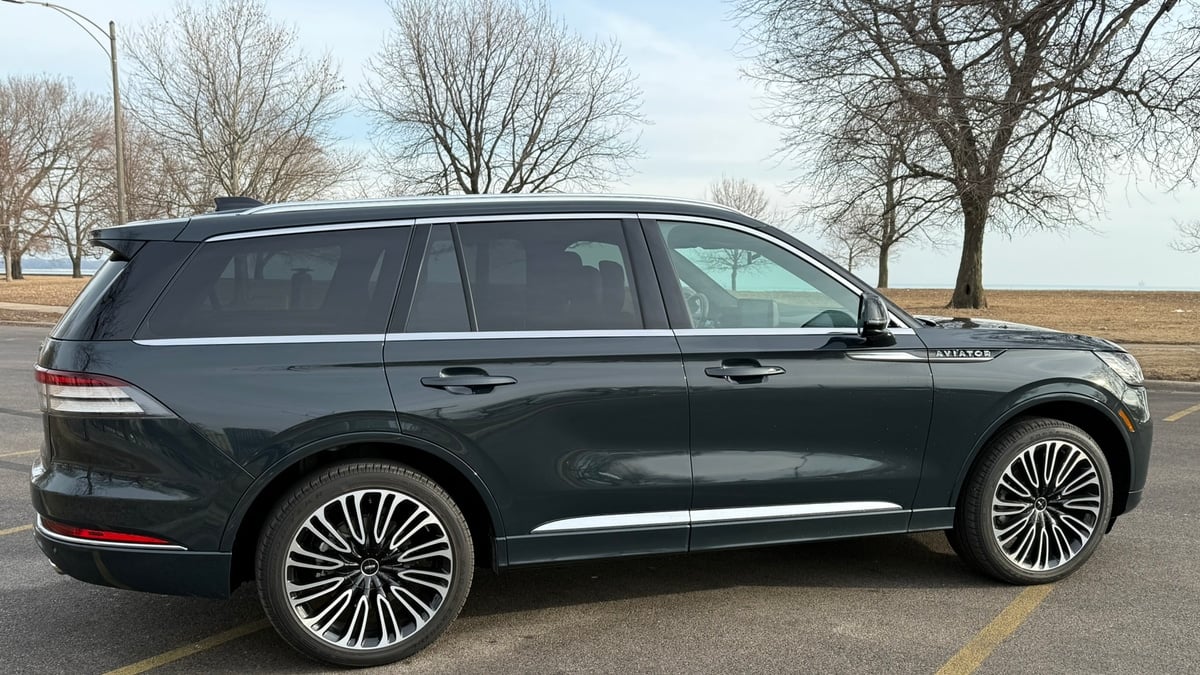
Outside of the paint color, there’s not much one can do with options on this trim, so figure about 90 grand out the door.
The Aviator and Explorer ride on the CD6 platform, which is getting closer to the end of its generation than the beginning. You could occasionally feel that age when the chassis flexed a bit over bumps. Still, the Aviator does what it’s supposed to do - transport people in spacious luxury while still occupying less space than the Navigator.
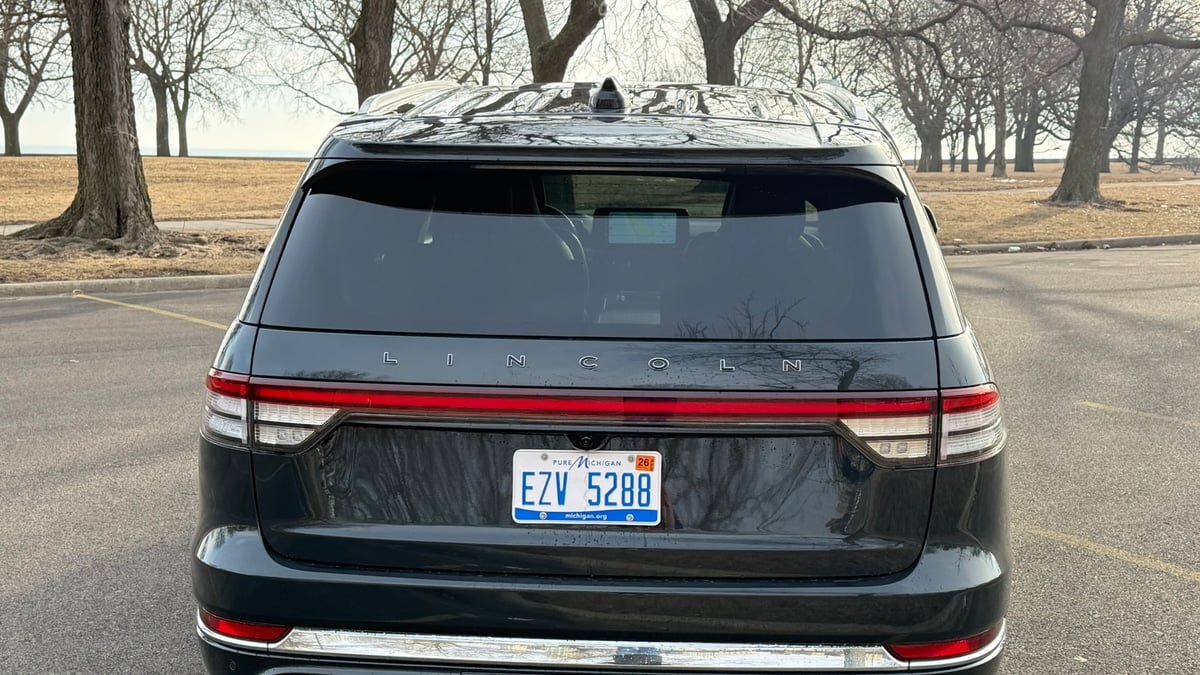
There’s still a little room for improvement in terms of luxury feel and look to the interior materials, but Lincoln hits the mark better than it did a decade ago. That said, a smooth ride, smooth engine, and spacious accommodations make this a well-heeled highway cruiser.
Images: Tim Healey
About The Author
Tim Healey is an experienced automotive writer and editor from Chicago. He has covered automotive news at Consumer Guide Automotive, Web2Carz, AutoGuide, and was the managing editor at The Truth About Cars. Tim is a member of the Midwest Automotive Media Association. You can find him on Facebook, X/Twitter, and on LinkedIn.
Set Torque News as Preferred Source on Google
Follow us today...