
We are currently living through a period of significant economic friction. While the transition to Electric Vehicles (EVs) is well underway, the entry price for a capable electric car remains a significant barrier for many households. Simultaneously, volatility in global energy markets continues to keep gas prices at uncomfortable levels, creating a "pincer maneuver" on the average worker’s disposable income.
For many, the logical step is to look for an EV, but with average transaction prices still hovering at levels that require long-term financing, the "solution" often carries its own heavy financial burden. This is where we need to look at disruptive alternatives. The question isn't just how we replace the internal combustion engine, but whether we need to bring 4,000 pounds of metal with us just to grab a coffee or head to an office five miles away.
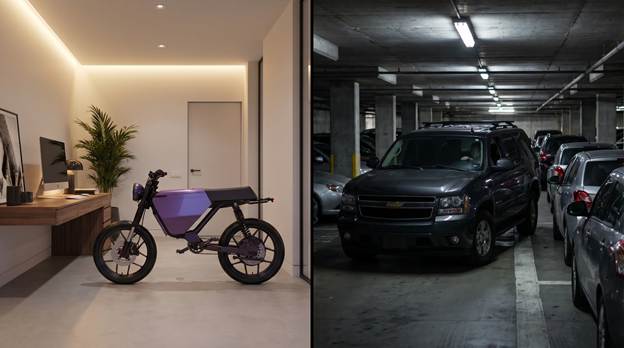
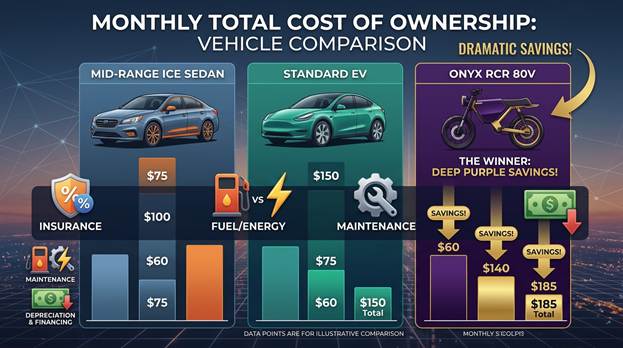
Why an Electric Scooter Beats an EV for the Short Term The economic argument for an electric motorbike or high-end scooter, specifically for urban and suburban commuting, is nearly impossible to ignore. When you factor in the total cost of ownership - insurance, registration, maintenance, and the initial capital outlay—a vehicle like the ONYX RCR 80V operates on a different plane of efficiency.
An EV might save you money at the pump, but it still requires expensive tires, complex cooling systems, and significant garage space. A high-performance electric scooter removes these layers of cost. You aren't just saving on fuel; you are opting out of the traditional automotive depreciation trap. For the price of a down payment on a Tesla or an Audi e-tron, you can own a top-tier electric commuter outright.
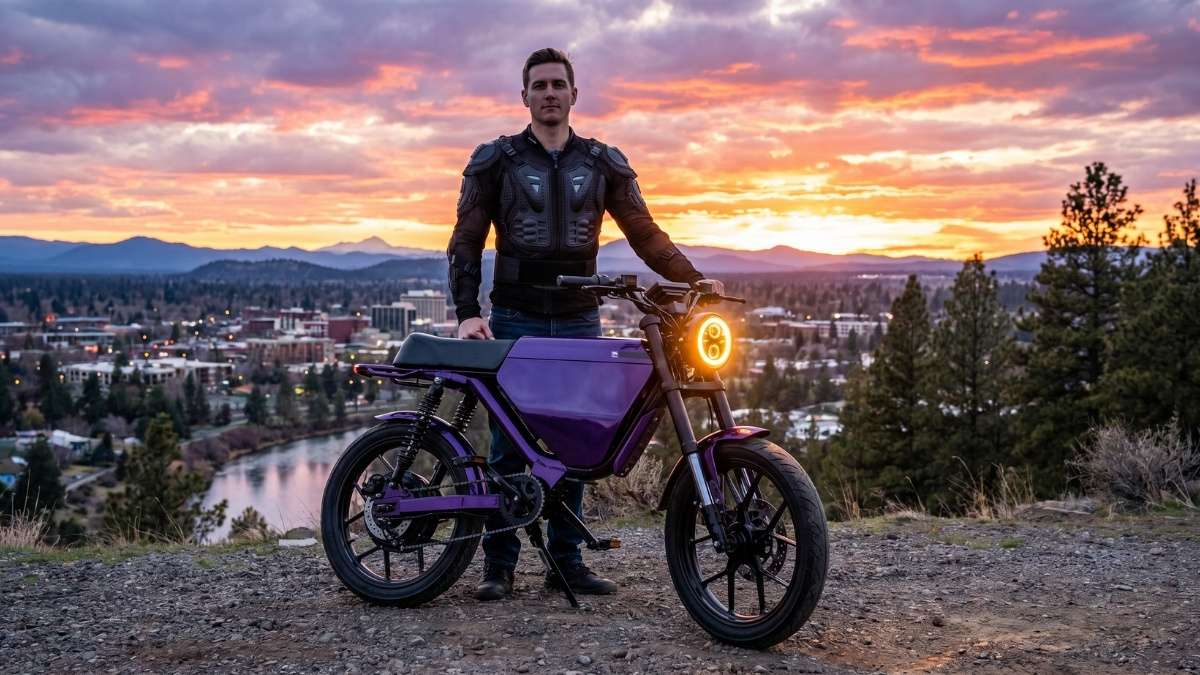
The Onyx RCR 80V: A Purpose-Built Commuter Most electric scooters on the market today feel like toys or weekend recreational vehicles. They lack the "heft" and technical sophistication required for daily professional use. The ONYX RCR 80V is the exception that proves the rule. While it certainly has the aesthetic of a classic cafe racer, its 80V architecture is designed for the rigors of a daily commute.
With its high-torque delivery and a top speed that allows it to keep pace with urban traffic, it isn't a vehicle you ride on the sidewalk; it is a vehicle you ride in traffic. Its 45Ah battery provides the kind of range that eliminates "range anxiety" for the typical 10-to-20-mile round-trip commute. Unlike recreational boards or light-duty scooters, the RCR 80V offers a stable chassis and suspension system that handles the realities of potholed city streets, making it a viable tool rather than a luxury plaything.
Operational Advantages: Parking and Charging Freedom The primary friction point of owning a car in a city is the "last mile" and the "stationary hour." We spend an inordinate amount of time looking for parking and a significant amount of money paying for the privilege of letting our cars sit idle.
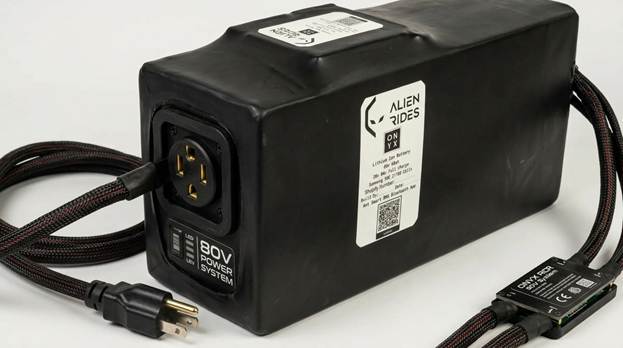
With an electric motorbike, the world opens up. Parking is often free or significantly subsidized for two-wheeled vehicles, and the ability to maneuver through gridlock—where legal - can turn a 40-minute crawl into a 15-minute breeze. Furthermore, charging the ONYX is as simple as plugging into a standard wall outlet. You don't need to install a $2,000 Level 2 home charger or hunt for a working public fast charger. You simply bring the battery inside or plug the bike in near your workbench, and you’re at full capacity by morning for pennies.
The Trade-offs: Weather, Safety, and the Highway No solution is without its drawbacks, and it’s important to apply a critical eye here. The most obvious disadvantage is exposure. If you live in the Pacific Northwest or the Northeast, "Rain Mode" isn't just a setting on the bike; it’s a lifestyle. You will need to invest in high-quality technical gear to stay dry and looking professional.
Safety is the other major concern. In a world of distracted drivers and massive SUVs, a rider is vulnerable. The ONYX RCR 80V has the speed to get you out of trouble, but it lacks the steel cage of a car. Finally, there is the highway issue. While the RCR is fast, it is not a freeway cruiser. This solution is strictly for the "surface street" commuter. If your path to work requires ten miles of interstate travel, a scooter is likely not your primary vehicle.
Who Should Make the Switch? This solution makes the most sense for a specific profile of worker. If you are a creative professional, a tech worker in a campus environment, or someone working in a "hybrid" capacity who only needs to go into a city center a few times a week, the Onyx is a perfect fit.
It is also an ideal "second vehicle" for families. Instead of maintaining two cars - one of which likely spends most of its time sitting in a parking lot - a family can keep one primary EV for long trips and use an electric scooter for all local errands and solo commutes. This drastically reduces the household's carbon footprint and its monthly "burn rate" of cash.
Alternative Short-Term Solutions If a high-performance electric motorbike feels like too much of a leap, there are other intermediate steps to consider:
- E-Bike Conversions: Using a kit to electrify an existing bicycle is the lowest-cost entry point, though it lacks the speed and "commuter-first" design of the ONYX.
- Public Transit Integration: Using a foldable electric scooter to bridge the gap between your home and a train station.
- Micro-Leasing: Some urban areas now offer long-term rentals of electric mopeds, allowing you to "test drive" the lifestyle before committing to a purchase.
The Analyst’s Take: A Shift in Personal Logistics As an analyst, I look for "inflection points" - moments where technology and economic necessity collide to change human behavior. We are at such a point with personal mobility. The "car-first" mentality is being challenged by the sheer inefficiency of moving a multi-ton vehicle for a single-person trip.
The ONYX RCR 80V represents a sophisticated, adult response to this challenge. It acknowledges that we want style and performance, but it delivers them in a package that is economically defensible. It is a "smart" move in a market that is currently very difficult for the average consumer to navigate.
Wrapping Up The transition to sustainable transport doesn't have to start with a $50,000 car. For many, the more agile, affordable, and practical choice is a high-performance electric motorbike like the ONYX RCR 80V. By focusing on the 80% of our trips that are short-distance and solo, we can bypass high gas prices and the rising costs of traditional vehicle ownership. While there are operational challenges regarding weather and safety that require a disciplined approach, the economic and time-saving benefits are transformative. If your goal is to reclaim your commute and your budget, it’s time to look at two wheels instead of four.
Disclosure: Images rendered by Artlist.io
Rob Enderle is a technology analyst at Torque News who covers automotive technology and battery developments. You can learn more about Rob on Wikipedia and follow his articles on TechNewsWord, TGDaily, and TechSpective.
Set Torque News as Preferred Source on Google
Follow us today...