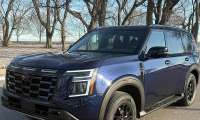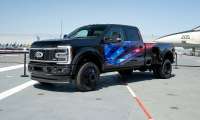

If you have ever driven across town to see a car advertised online, only to hear “it just sold” or “we can get you into something similar,” you already understand the frustration behind one of the auto industry’s most persistent problems. The rise of online inventory has made car shopping easier, but it has also opened the door to misleading listings, hidden fees, and what many buyers now call “ghost cars.” This issue is no longer just a consumer annoyance. It is now drawing attention from regulators, and the Federal Trade Commission is stepping in with real consequences for dealerships that fail to comply.
Over the years, we have covered multiple real-world ownership frustrations, including cases where buyers felt misled about pricing, availability, or dealer practices. In one recent reader story about long-term ownership expectations and dealership transparency in Toyota reliability claims, we explored how trust plays a central role in customer loyalty. In another case involving unexpected repair costs and dealer responsibility disputes, we saw how quickly trust can erode when expectations do not match reality.
“'In addition, dealerships can be found advertising unavailable or nonexistent vehicles, usually due to failure to take down listings in a timely fashion.' Taking down listings of cars that have sold isn't difficult. I've seen dealer sites where they use an AI generated image of a car supposedly at their dealer that really is of an incoming vehicle with a firm, ready-to-go-price. If it ain't on the lot, you ain't got it to sell.”
That comment from MattD, posted under an AutoSpies discussion, cuts straight to the heart of the issue. It reflects what many buyers quietly experience but rarely articulate so clearly.

Why “Ghost Car Listings” Are Becoming a Major Problem in the Auto Industry
The practice itself is not new. Dealerships have long used aggressive marketing to bring customers through the door. But the scale and sophistication have changed. Today, listings are syndicated across dozens of platforms, updated automatically, and sometimes generated using stock or AI images. The result is a digital showroom that does not always reflect reality.
According to reporting from Automotive News, the FTC has begun sending warning letters to dealerships regarding vehicle availability claims and pricing transparency. Meanwhile, Carscoops highlighted how enforcement is tightening, with potential penalties reaching tens of thousands of dollars per violation. The message is clear, regulators are no longer treating this as a minor oversight.
This matters because trust is already fragile in the car buying process. We recently discussed how pricing confusion and dealer markups impacted buyer sentiment during the hybrid vehicle surge, especially in stories like how Toyota Prius demand created pricing distortions and long wait times. When buyers feel manipulated, they do not just walk away from one dealership, they often reconsider the entire brand.
FTC Crackdown on Dealership Pricing and Inventory Transparency
The FTC’s current focus is not just about whether a car exists. It is about whether the entire transaction is transparent. That includes pricing, fees, and availability.
In simple terms, if a dealership advertises a car, it must be available under the advertised terms. That sounds obvious, but in practice it is where many dealers fall short. Listings may remain online after a vehicle is sold. Prices may exclude mandatory add-ons. Photos may not match actual inventory.
Carscoops summarized the issue by noting that regulators are targeting deceptive practices that mislead consumers before they even step onto a lot. It also details details how enforcement is expanding and what penalties dealers could face.
We have seen similar patterns play out in other areas of the industry. In our coverage of Tesla Cybertruck delivery confusion and trade-in issues, buyers reported mismatched expectations between online promises and dealership or manufacturer reality. While Tesla operates differently from traditional dealerships, the core issue remains the same, transparency.
How Dealerships Can Fix Misleading Car Listings and Rebuild Trust
Let’s be honest, this is not a complicated problem to solve. It just requires discipline and a shift in mindset.
First, dealerships need real-time inventory synchronization. If a car sells, it should be removed from every platform immediately. This is not a technical limitation. Modern dealer management systems already support it.
Second, listings should clearly distinguish between in-stock vehicles and incoming inventory. If a car is in transit, say so. If it is a factory order, say so. Buyers are reasonable when they are informed.
Third, eliminate conditional pricing. The advertised price should reflect what a typical buyer will actually pay, not a number that depends on financing through the dealer or qualifying for obscure incentives.
Fourth, use real photos. AI-generated or stock images create a disconnect that immediately raises suspicion. Buyers want to see the actual car they are considering.
We have seen how transparency improves outcomes in other segments. For example, in our analysis of long-term truck ownership and maintenance expectations, clear communication between dealer and buyer played a key role in customer satisfaction over hundreds of thousands of miles.
The bottom line is simple, honesty is not just ethical, it is profitable. A buyer who trusts you is far more likely to return.
What Car Buyers Should Do Before Visiting a Dealership
Now let’s talk about the other side of the equation, because buyers are not powerless here.
Before you visit a dealership, call or email to confirm that the specific vehicle is physically on the lot. Ask for a walkaround video or a timestamped photo. If they hesitate, that is your first warning sign.
Next, ask for an out-the-door price in writing. This should include all fees. If the dealer cannot provide it, you are likely walking into a negotiation trap.
Also, check how long the listing has been active. A car that has been listed for weeks without updates may already be sold or misrepresented.
We explored similar buyer strategies in our coverage of how shoppers navigate dealer inventory shortages and pricing inconsistencies during high-demand periods. The lesson there was clear, preparation saves time and money.
Finally, trust your instincts. If something feels off, it probably is.
The Bigger Issue, Why This Matters Beyond One Sale
This is not just about one frustrating dealership visit. It is about the credibility of the entire automotive retail system.
When buyers repeatedly encounter misleading listings, they begin to question everything, from pricing to warranties to service recommendations. That skepticism can spill over into how they perceive brands, manufacturers, and even the industry as a whole.
The FTC’s involvement signals a turning point. This is no longer just a competitive tactic among dealerships. It is a regulatory issue with financial consequences.
A Simple Moral That Could Fix a Complicated Problem
At its core, this issue comes down to something simple, respect for the other person’s time and trust.
If you are a dealer, ask yourself whether your listings would make sense if you were the buyer. If you are a buyer, approach the process with awareness and patience.
The best transactions happen when both sides act in good faith. That may sound idealistic, but it is also practical. A fair deal creates a long-term relationship. A deceptive one creates a one-time transaction followed by regret.
And in today’s connected world, reputation travels fast.
Let’s Talk About Your Experience
Have you ever gone to a dealership only to find that the car you saw online was not actually available? What did the dealer say, and how did you handle it?
And if you are in the market right now, what steps are you taking to avoid misleading listings and hidden fees before you even step onto the lot?
Share your experience in the comments below.
About The Author
Armen Hareyan is the founder and Editor-in-Chief of Torque News and an automotive journalist with over 15 years of experience writing car reviews and industry news. Now based in the Charlotte region (Indian Land, SC, he founded Torque News in 2010, which since then has been publishing expert news and analysis about the automotive industry. He can be reached at Torque News on X, Linkedin, Facebook, and Youtube. Armen holds three Masters Degrees, including an MBA, and has become one of the known voices in the industry, specializing in the landscape of electric vehicles and real-world stories of actual car owners. Armen focuses on providing readers with transparent, data-backed analysis bridging the gap of complex engineering and car buyer practicality. Armen frequently participates in automotive events throughout the United States, national and local car reveals and personally test-drives new vehicles every week. Armen has also been published as an automotive expert in publications like the Transit Tomorrow, discussing how will autonomous vehicles reshape the supply chain, and emerging technologies in vehicle maintenance.
Set Torque News as Preferred Source on Google
Follow us today...