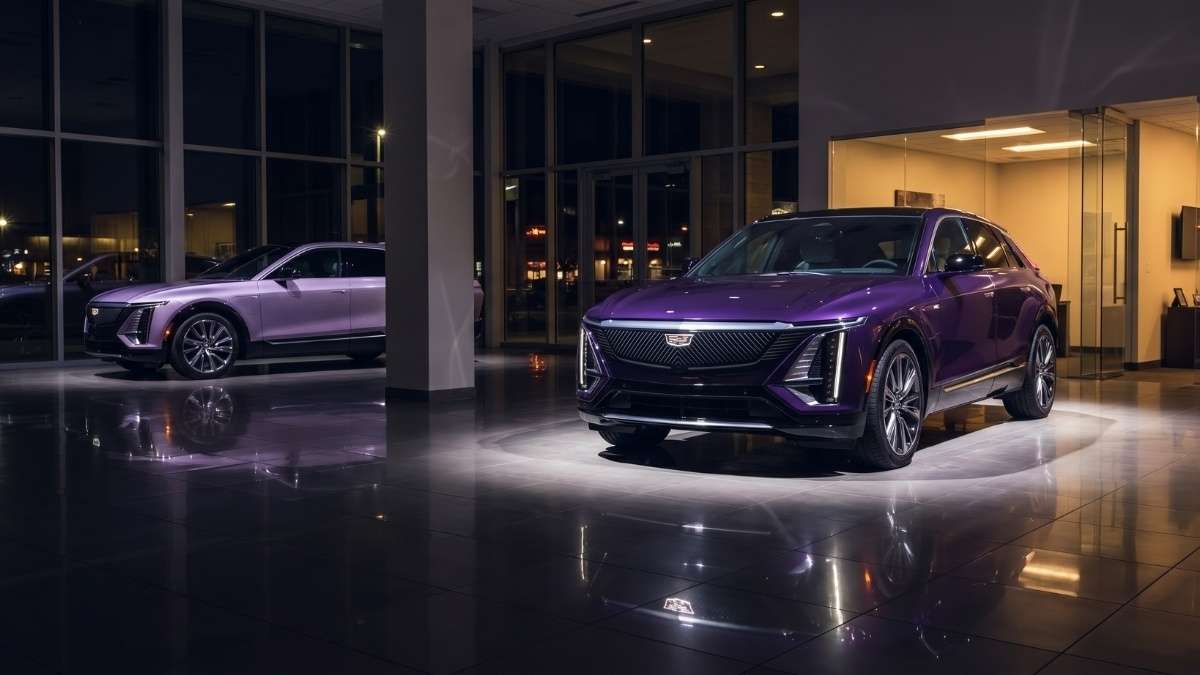

Over the decades I’ve spent analyzing the intersection of technology and automotive shifts, I’ve learned that the most dangerous competitor isn’t always the rival across the street; often, it is the one sitting in your own showroom. General Motors is currently learning this lesson the hard way. While the Cadillac Lyriq arrived as the sophisticated "critical darling" meant to spearhead the brand’s electric renaissance, its younger, leaner sibling—the Optiq—is effectively eating its lunch.
Despite rave reviews for the Lyriq’s interior and ride quality, recent market data suggests a startling 22% dip in its momentum just as the Optiq hits its stride. This isn’t just a fluke; it’s a masterclass in market cannibalization.
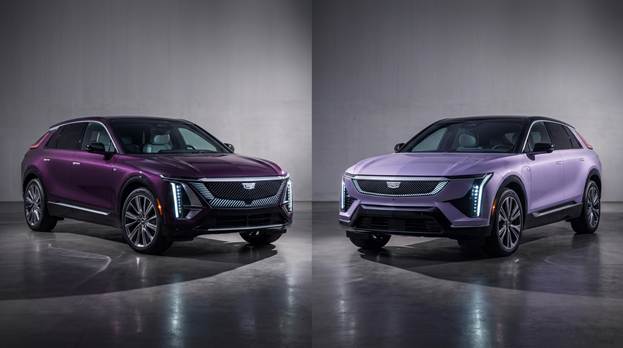
The Price of Prestige vs. the Reality of Value
The core of the problem lies in the "diminishing returns" of luxury. The Lyriq is a masterpiece of design, but the Optiq offers approximately 90% of the Lyriq experience for a significantly lower entry price. In a fluctuating economy, even Cadillac buyers are looking at the bottom line.
The Optiq isn't just "cheaper"; it’s optimized. It utilizes the same GM Ultium platform DNA but packages it in a way that feels more agile for urban environments while maintaining the "Cadillac-ness" that buyers crave. When you look at the latest sales trends for EVs, you see a clear shift: buyers are gravitating toward vehicles that balance range with fiscal responsibility. The Lyriq, starting significantly higher, struggles to justify that premium when the Optiq offers similar dual-motor AWD performance and a high-tech pillar-to-pillar display as standard.
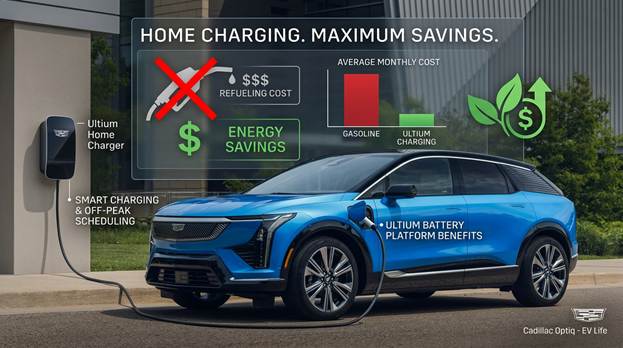
Navigating High Gas Prices: Which EV Wins?
With gas prices remaining volatile, the transition to electric is no longer just a "green" statement - it’s a budgetary hedge. If you are looking to insulate yourself from the pump, both vehicles offer relief, but the Optiq wins the efficiency argument.
Because the Optiq is lighter and more compact, its watt-hour-per-mile efficiency tends to outshine the heavier Lyriq. While the Lyriq offers a larger battery pack, the Optiq provides a "sweet spot" of range—roughly 300 miles—that meets the needs of 95% of American commuters without the "dead weight" of extra cells that drive up the Lyriq's price. For the buyer focused on Total Cost of Ownership (TCO), the Optiq is the clear winner, especially when paired with Cadillac’s home charging solutions which mitigate the impact of rising energy costs.
Comparing the Value Proposition: Why the Lyriq is Dipping
The 22% dip in Lyriq sales isn't necessarily a sign that the Lyriq is a bad car; it’s a sign that it is poorly positioned against its sibling.
- Technology Parity: Usually, the flagship gets the best tech. However, the Optiq launched with the 33-inch diagonal advanced LED display and Google Built-in compatibility, much like the Lyriq. When the "cheaper" car has the same "wow" factor inside, the incentive to upgrade vanishes.
- Size and Utility: The Lyriq is larger, but for many suburban families, the Optiq’s footprint is actually more desirable. It’s easier to park and more maneuverable, yet it doesn’t feel "small" inside.
- The Luxury Floor: Cadillac has raised the floor of their entry-level vehicles so high that they have bumped into their own ceiling. The Optiq feels like a luxury car, not a "budget" car.
The Lyriq is suffering because it lacks a "killer feature" that the Optiq doesn't have. Until Cadillac creates a wider gap in performance or exclusive technology (like standard Super Cruise on the Lyriq vs. an option on the Optiq), the cannibalization will continue.
How GM and Cadillac Can Save the Lyriq
To reverse the Lyriq's slide, GM needs to stop treating it as just "the bigger one" and start treating it as the "exclusive one."
First, they must lean into the "Black Label" or high-end bespoke experience. The Lyriq needs more standard luxury features that are unavailable on the Optiq—think 22-way massaging seats as standard or an upgraded air suspension system that provides a "magic carpet" ride the Optiq can't match.
Second, the Lyriq needs a range boost. If the Optiq occupies the 300-mile space, the Lyriq should be pushing 350 to 400 miles to justify its "grand touring" status. Finally, Cadillac needs to fix the inventory overlap. Dealerships should be trained to sell the Optiq to the tech-savvy urbanite and the Lyriq to the executive traveler. Current Cadillac inventory management strategies must evolve to distinguish these two distinct buyer personas more effectively.
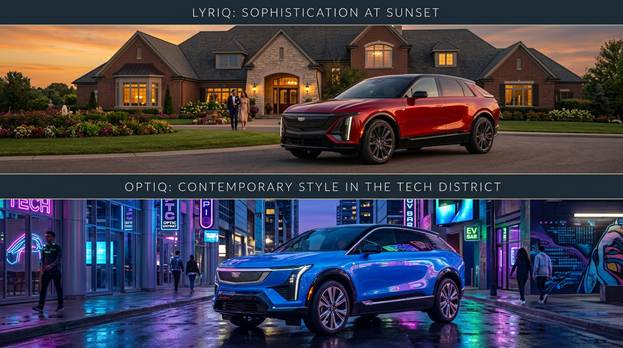
Identifying the Best Buyer for Each
Choosing between these two comes down to your "mission profile":
- The Optiq Buyer: You are likely a tech-forward professional or a small family. You value efficiency, ease of parking, and modern aesthetics. You want the Cadillac badge and the Ultium tech, but you are smart enough to realize you don’t need a massive trunk for your daily commute. The Optiq is the "smart money" choice for those who prioritize modern EV efficiency.
- The Lyriq Buyer: You value presence and comfort above all else. If you frequently take long road trips or require a more substantial "road presence," the Lyriq’s longer wheelbase provides a level of stability and "big car" feel that the Optiq cannot replicate. The Lyriq is for the buyer who views their car as a sanctuary rather than just a gadget.
Wrapping Up
The Cadillac Optiq is a victim of its own success, and the Lyriq is the unintended casualty. By offering too much value in the entry-level model, GM has inadvertently told its customers that they don’t need to spend the extra $15,000 to $20,000 for the Lyriq.
While the 22% dip in Lyriq sales is a red flag, it also shows that Cadillac has a hit on its hands with the Optiq. The challenge moving forward will be for Cadillac to redefine the Lyriq as a true pinnacle vehicle, rather than just a larger version of the same idea. In the world of EVs, software and range are the new currency, and right now, the Optiq is simply giving the customer a better exchange rate.
Disclosure: Images rendered by Artlist.io
Rob Enderle is a technology analyst at Torque News who covers automotive technology and battery developments. You can learn more about Rob on Wikipedia and follow his articles on TechNewsWord, TGDaily, and TechSpective.
Set Torque News as Preferred Source on Google
Follow us today...